In brief
Following a high-stakes meeting in Beijing, China has agreed to reduce tariffs on Canadian canola oil from 85% to 15%, while Canada will tax imports of Chinese electric vehicles at a reduced rate of 6.1%. This development signals a renewal in trade relations between the two nations after a tumultuous period marked by retaliatory tariffs. The agreement is expected to foster increased investment and trade cooperation, addressing long-standing economic tensions, especially in light of the backdrop of U.S. tariff policies.
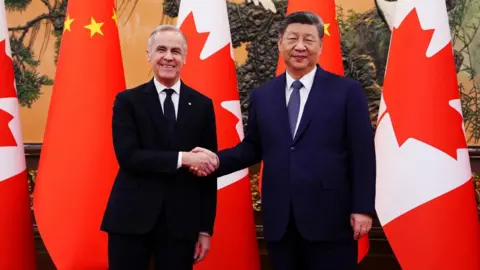
Chinese leader Xi Jinping and Canadian PM Mark Carney have announced lower tariffs, signaling a reset in their countries' relationship after a key meeting in Beijing.
China is expected to lower levies on Canadian canola oil from 85% to 15% by 1 March, while Ottawa has agreed to tax Chinese electric vehicles at the most-favoured-nation rate of 6.1%, Carney told reporters.
The deal is a breakthrough after years of strained ties and tit-for-tat levies. Xi hailed the 'turnaround' in their relationship, and it represents a significant achievement for Carney, the first Canadian leader to visit China in nearly a decade.
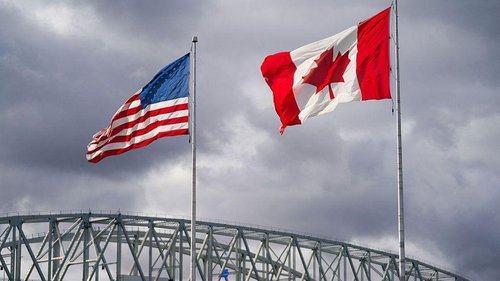
His visit comes as Canada seeks to diversify trade away from the U.S., following uncertainties caused by fluctuating tariffs under former President Donald Trump. Economic ties with China are increasingly seen as crucial for Canada’s future, and the recent tariff reductions could pave the way for additional Chinese investments in Canada.
Carney noted that discussions with Beijing had become 'more realistic and respectful' despite ongoing disagreements, particularly over human rights issues and election interference. He remains clear that establishing boundaries in the bilateral relationship is a priority.
The meeting also coincides with a broader effort by China to strengthen ties with various nations, as leaders from countries like South Korea and the UK are looking to forge closer relationships with Beijing.
Carney's comments on a new world order and the challenges of a shifting global landscape highlight the importance of adapting Canada’s international engagements to the current geopolitical climate.
In summary, the recent dialogue between Canada and China may set a trend for other nations exploring ways to recalibrate their economic relationships amidst the complexities of trade and diplomatic relations shaped by U.S. tariffs.