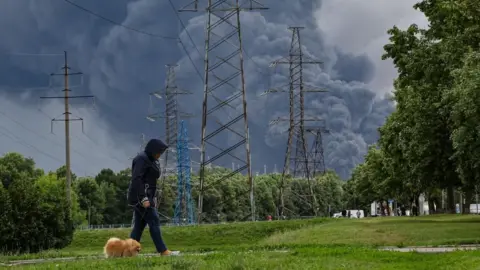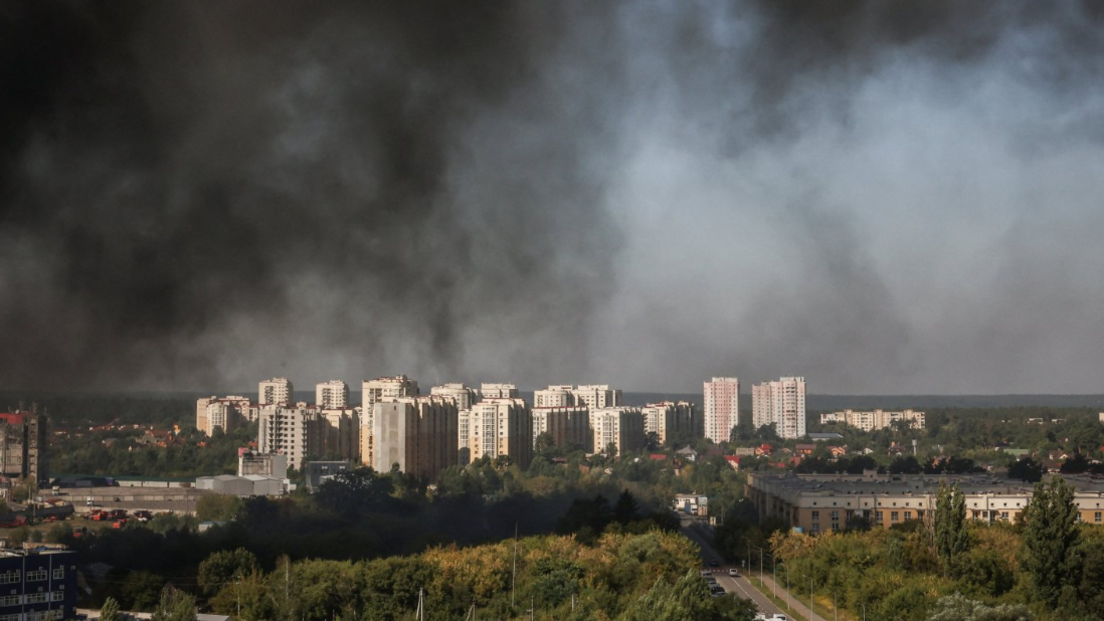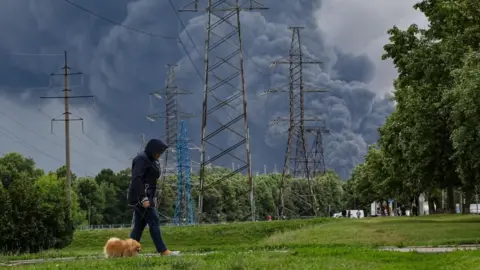
On Thursday morning a burst of black smoke rolled across the Moscow skyline, the result of a Ukrainian drone that slammed into an oil refinery in the city’s south‑east. The blast was one of the biggest air attacks on the Moscow region since the full‑scale invasion of Ukraine.
For many residents it felt surreal. A fisherman on a pond, children on a playground, shoppers on a street – all went about their day with the smoke drifting above their heads. One resident, Stash, noted that the city still looks ordinary, but the feeling of the attack was alien. "It’s like a film scene," she told me, watching the smoke from her apartment window.
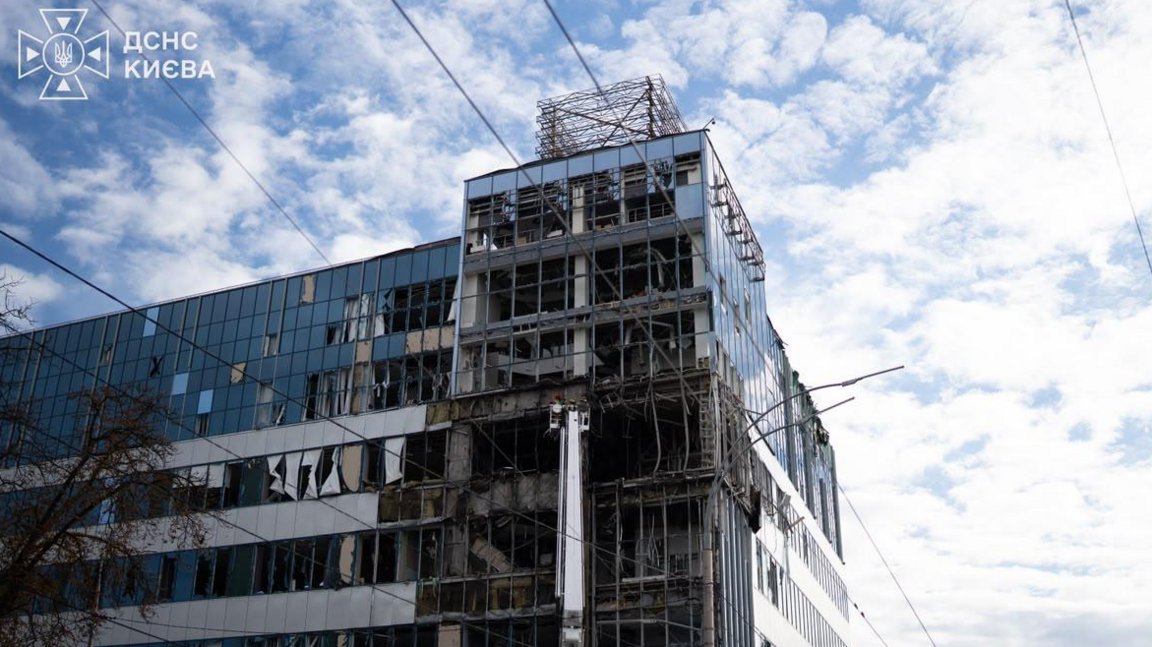
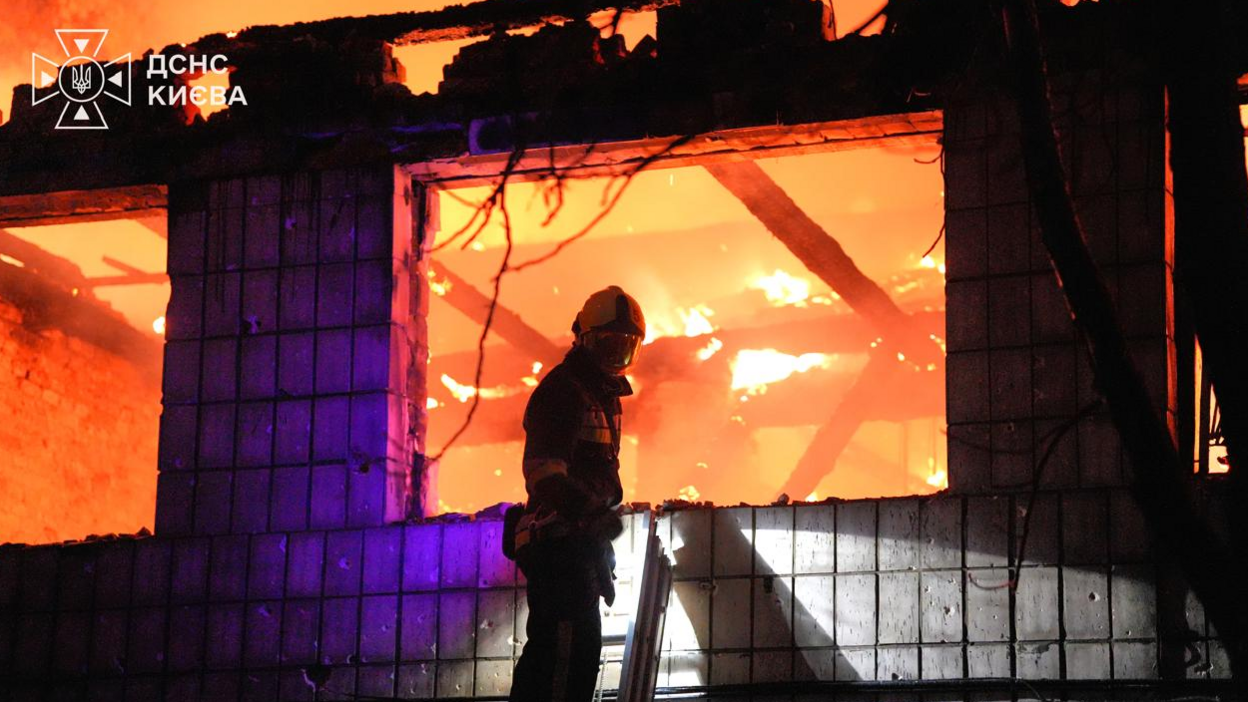
The refinery that was hit is the Kapotnya facility on Moscow’s ring‑road. Fire crews responded quickly but the blaze was large enough to alarm the whole district. A local news source reported that a child was killed by a fire started by a drone strike earlier in the month. The civil defence said damage extended to shopping centres and residential buildings.
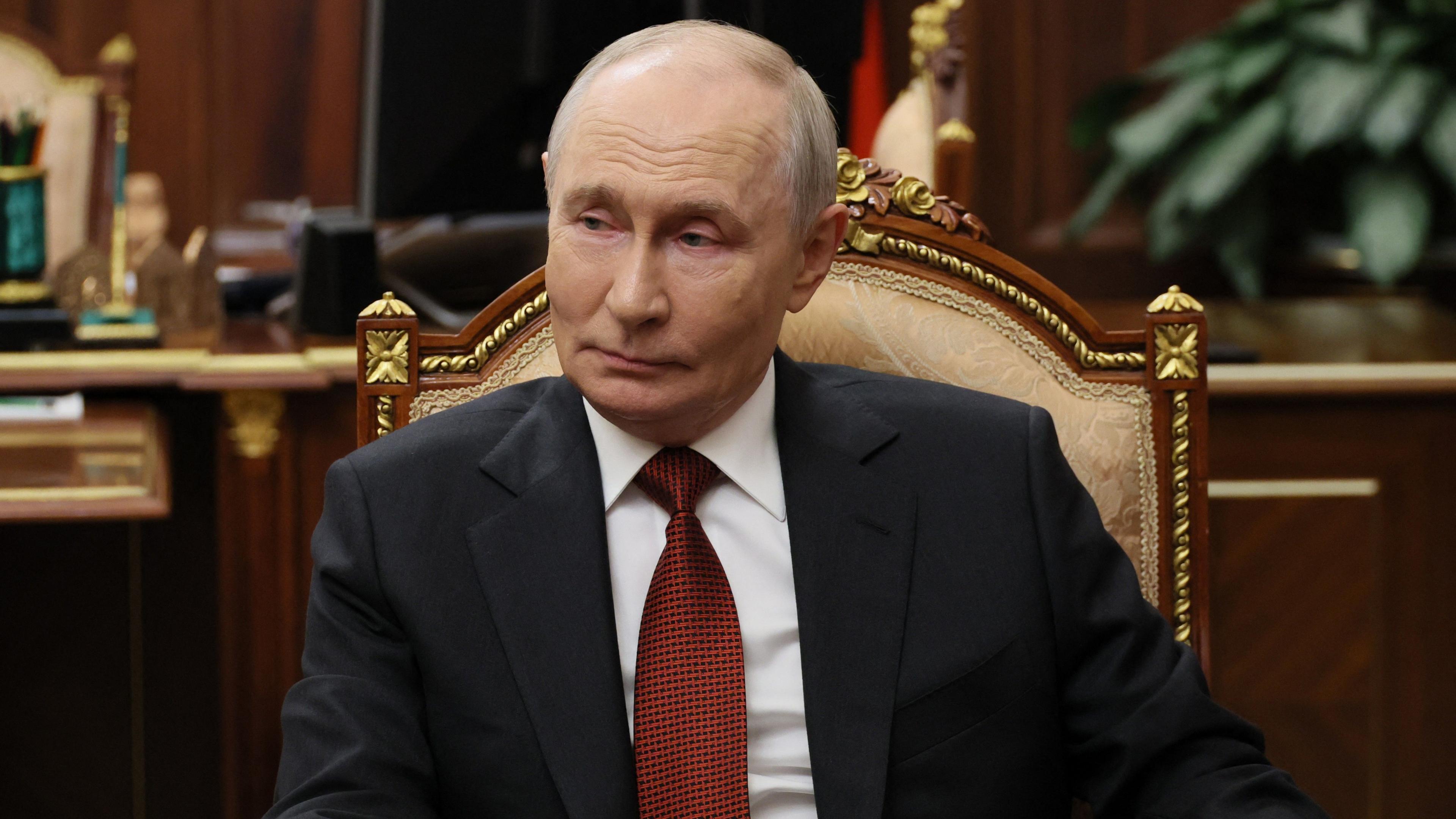
The Kremlin’s reaction was muted. President Vladimir Putin was holding a Russia‑ASEAN summit in Kazan that same day and did not mention the strike in his brief speech. Russian state media gave austere coverage, with officials urging the public to trust the soldiers and to assume Ukraine’s suffering screams louder. A spokesperson, Dmitry Peskov, told reporters that footage of the strike was “impressive” and that the Russian forces would keep launching attacks.
State print outlets echoed a common narrative: Russian attacks on Ukrainian infrastructure were far more effective than Ukrainian sorties. The novelty of the attack has made the city anticipate more drone strikes. One local shopkeeper predicted that the next strike would not be distant from the city’s barriers.
Fuel shortages and price hikes have become a reality for some Russians, a direct impact of attacks on oil facilities. Lives in Moscow are no longer insulated from the war, with the front line inching closer each day.
While the public keeps watching, the government continues to rally the narrative that “our strikes are doing far more damage than Ukrainian attacks.” The city’s new reality: the war has moved from the battlefield to the street corners and underground tunnels where Moscow residents now also hear explosions.