In brief
In a record‑sized strike, Ukrainian forces dropped nearly 200 drones and four long‑range cruise missiles over Moscow, producing columns of smoke and wounding 17 people in suburban regions. Kremlin officials reported that 1,000 drones and four missiles were intercepted, while an oil depot in the Rostov region was hit, killing one. President Zelenskiy called the raid a retaliation for Russia’s attack on Kyiv, urging Russia to end the war. Moscow’s airports were shut and hundreds of flights cancelled.
Russian officials confirmed that almost 200 Ukrainian drones and four long‑range cruise missiles struck the Moscow region, sending thick columns of smoke high into the capital’s sky.
Seventeen people were wounded in the suburbs, Governor Andrei Vorobyov said, while an oil depot in the southern Rostov region was hit and one person was killed.
The Russian defence ministry said it intercepted and destroyed roughly 1,000 drones and the four missiles across the country within 24 hours. Four airports were temporarily shut, and more than 500 flights were cancelled or delayed.
President Volodymyr Zelenskiy described the attack as a “long‑range sanctions” strike, replying to Russia’s raid on Kyiv that set a major religious landmark ablaze. He urged Russia to end the war and emphasised that Ukraine remains willing to defend itself, warning that the country would continue to strike Moscow if threatened.
The raids mark a significant escalation; Moscow’s extensive air‑defence network was first tested in 2023, but the number of drones used by Ukraine has increased dramatically, allowing some to penetrate defenses. Ukraine’s calls to bring the war to Russian soil are echoed by social‑media videos showing dawn‑time drone incursions across industrial sites near Moscow.
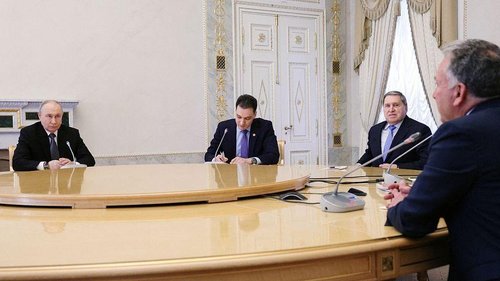
The attack occurs as President Vladimir Putin hosts Southeast Asian leaders in Kazan; he has yet to comment on the large‑scale strike.
Ukrainian Foreign Minister Andriy Sybiha noted on X that many Muscovites were bewildered by the morning’s bombardment, adding that the conflict is “a war of aggression that kills Ukrainian people.” He challenged Russian leadership to explain when they intend to end the war.
The drone barrage, coupled with Russia’s own attacks on Ukraine, illustrates the high‑cost, high‑risk outreach of the current hybrid warfare, with both sides increasing the frequency of long‑range strikes amid a stalemate on the front line.