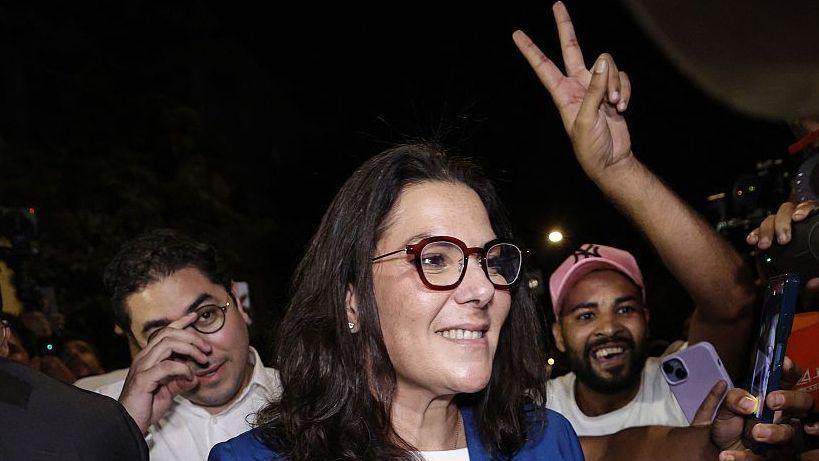

After Morocco’s parliamentary elections, the Authenticity and Modernity Party (PAM) secured the largest share of seats, paving the way for its 50‑year‑old mayor‑turned‑politician Fatima Zahra El Mansouri to be named the country’s first female prime minister.
The appointment, confirmed by King Mohammed VI, follows a historic precedent set by Tunisia’s Najla Bouden, who became the first Arab woman to lead a national government. El Mansouri, a lawyer trained at Mohammed V University, has served as Mayor of Marrakesh since 2009 and previously held ministerial roles in national territory and urban planning under former Prime Minister Aziz Akhannouch.
King Mohammed VI’s selection of El Mansouri over fellow PAM member Fouzi Lekjaa was formally a decision of the monarchy, and her new mandate ties her to work toward building a governing coalition in a 395‑member parliament where her party holds 97 seats. A majority of 198 seats is required, meaning PAM will need to negotiate alignments with other parties to solidify a governing majority.
El Mansouri’s background in business and corporate law, alongside her experiences in city policy, positions her to address a range of economic and urban challenges facing Morocco. Her appointment signals potential shifts in gender representation within Arab politics, though key social debates such as polygamy and inheritance equality remain ongoing in the country.
This milestone is being watched closely by observers across the region, as it may influence gender dynamics in governance and the broader role of the monarchy in modernizing political structures.