In brief
Ceuta, a Spanish exclave on the African coast, witnessed a surge of violence following a mass migration of over 70,000 people from Morocco on 30-31 July. Protesters set fire to migrant tents, blocked aid deliveries, and clashed with police, while local residents have reported feeling unsafe and overwhelmed by the influx. The Spanish government has condemned the unrest, apologized to residents, and pledged reforms to immigration policy, but has faced criticism over handling the crisis and accusations of political exploitation. Meanwhile, political parties across the spectrum accuse Morocco of orchestrating the crossings and call for stronger border controls.
Violence erupts in Ceuta as migrant crisis escalates
Ceuta, a Spanish exclave in North Africa, is in turmoil after a massive tide of migrants swam across the border on 30‑31 July.
Around 72,000 people crossed from Morocco—most returned shortly after, but thousands—including many children, remain sleeping on beaches and in the streets. The official death toll for the crossing stands at 100.
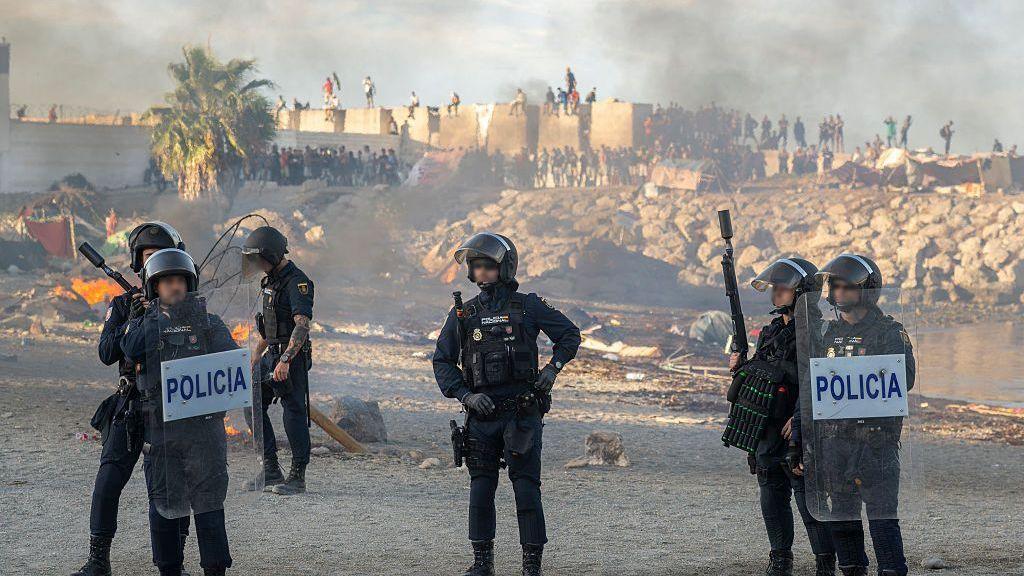
Local residents have reportedly felt unsafe and expressed concerns about the pressure on public services. Tensions emerged as anti‑migrant demonstrations turned violent, with protestors setting fire to camps on Trampolín beach and blocking the Red Cross from delivering food.
In the last 48 hours, incidents worsened: an arrest of 12 migrants accused of stone‑throwing at a military vehicle, vigilante groups pursuing migrants through streets, and journalists threatened by hostile actors.
The mayor of Ceuta, Juan Jesús Vivas, told Antena 3 that the city’s dignity must be protected and that authorities “have the right to normality.” He also emphasized that Spain’s identity was at stake.
The national government, led by Prime Minister Pedro Sánchez, has called for calm and criticized the rhetoric of right‑wing parties. Interior Minister Fernando Grande‑Marlaska said that stigmatising immigrants only fuels division at a moment when “responsibility and statesmanship” are needed.
The opposition has tied the crisis to Morocco’s alleged manipulation of the border, but Spain maintains that traffickers are responsible and that Rabat assisted in the swift return of most arrivals.
The situation remains tense as Ceuta and Melilla’s sovereignty are under scrutiny. Spain’s foreign minister rejected Moroccan claims that they “felt…abandoned” and emphasised that Spain’s territorial integrity will not be compromised.
Follow live updates on the Ceuta crisis through PulseWire’s interactive map and user‑generated analysis. Report incidents and share footage directly on our platform to help fact‑check the unfolding events.