In brief
Over a hundred migrants were detained by Moroccan forces at the outskirts of Fnideq on Saturday after a brief but deadly mass crossing into the Spanish exclave of Ceuta that took place in late July. The incident follows a surge of 78,000 entrants by sea, costing 100 lives. Moroccan authorities deployed riot gear, tear gas and drones, while Spain stationed 1,500 officers at the border. The crackdown follows EU tensions and calls for heightened cooperation to curb migrant flow. The region remains a flashpoint for migrant‑border security between EU and North Africa.
On Saturday, Moroccan security forces arrested more than 100 migrants heading toward the Spanish exclave of Ceuta near the border town of Fnideq, known locally as Castillejos. Sources cited by Reuters reported that the group, largely from sub‑Saharan Africa, was intercepted just 1.8 miles from the border.
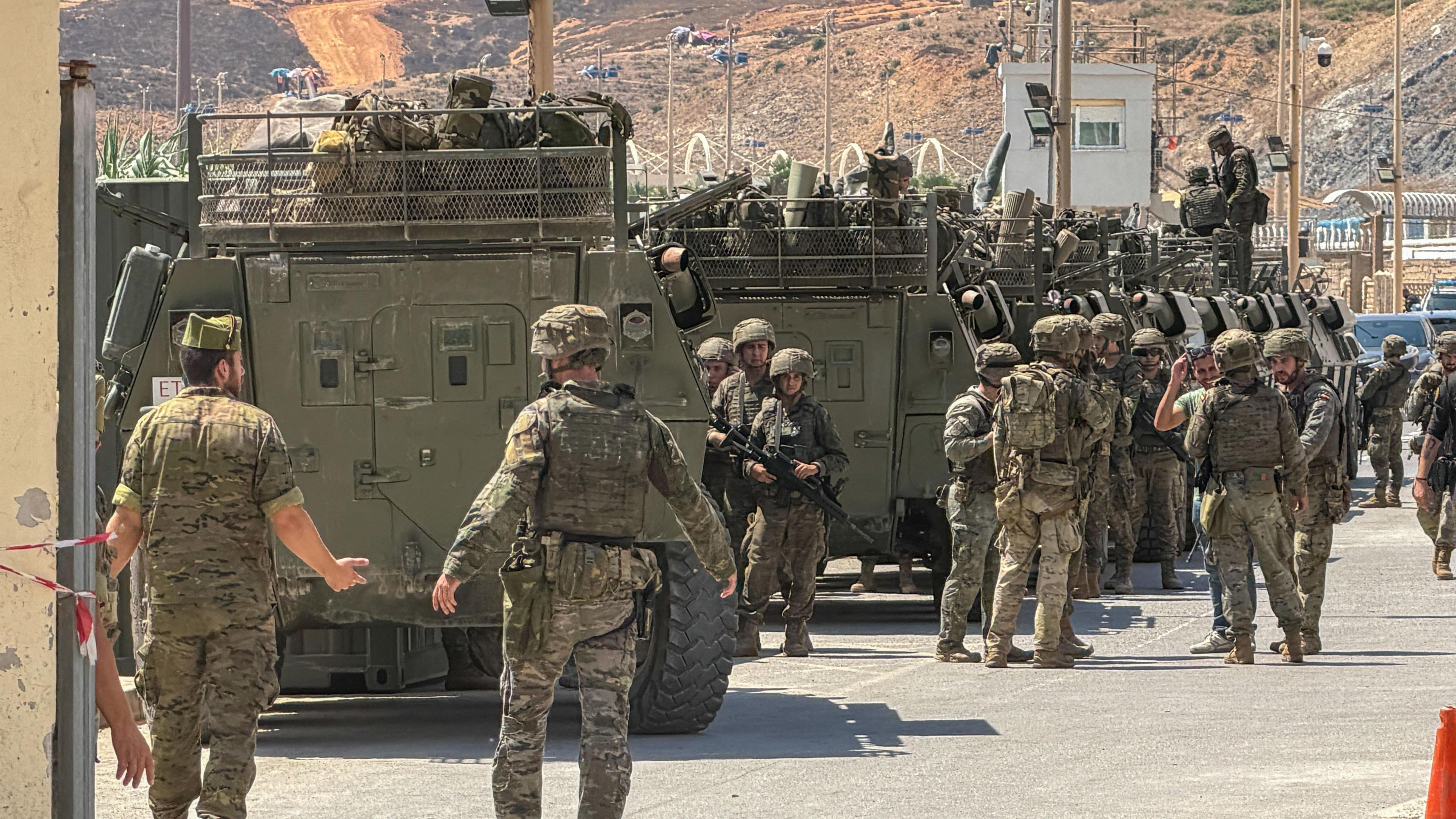
The raid comes a few weeks after a dramatic July incident in which roughly 78,000 people arrived by sea in Ceuta, 100 of whom died, according to the city’s mayor. Both Morocco and Spain have since bolstered security, adding fencing, floating barriers, naval speedboats, drones, and over 1,500 officers in the area.
French and Spanish security agencies released statements saying that tear gas was used to disperse crowds on nearby hills, and that the increased presence was a joint effort to deter future mass crossings.
EU members have expressed heightened concern—Spain’s neighbour Italy temporarily suspended its Schengen arrangement with Madrid, and Portugal urged stronger cooperation. Spain maintains that Ceuta is not part of the Schengen zone, although it is recognized as part of the EU for customs purposes.
The situation remains fluid as Brussels, Rabat, and Madrid coordinate border control to prevent further deadly crossings while addressing humanitarian needs within Ceuta.