In brief
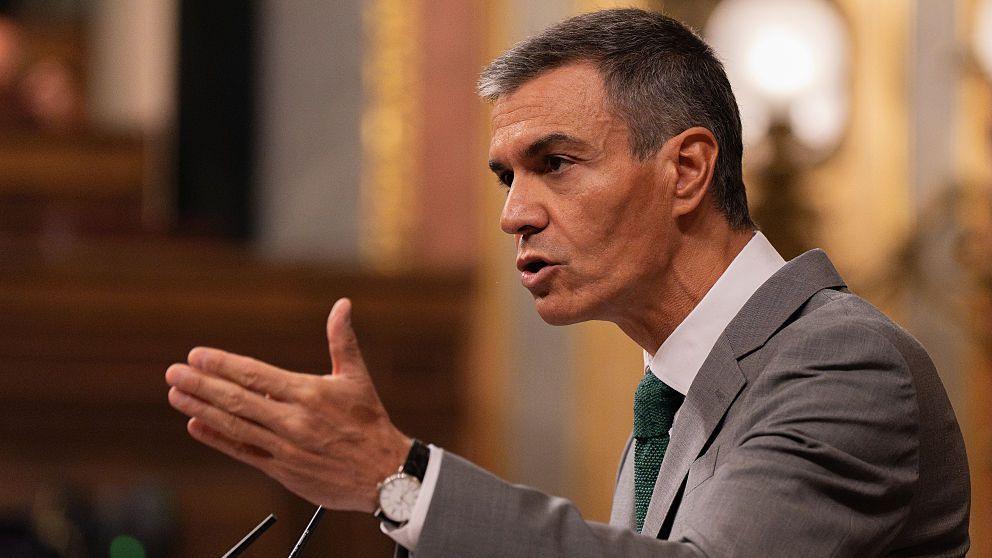
Spanish Prime Minister Pedro Sánchez told parliament that his government had not foreseen the sudden influx of migrants into the North‑African enclave of Ceuta, a statement that has inflamed an already tense controversy. Opposition leaders and civil society groups bring crowds to Madrid, Buenos Aires and other cities, demanding accountability and a swift return of the refugees. The move follows a police report that cited a lack of action by Moroccan security forces, yet Sánchez maintained the evidence does not implicate the Moroccan government. Spain’s diplomatic handling of the crisis has prompted a tightening of border measures by Italy and other EU partners. Amid the crisis, Prague and Israel have joined an international conversation regarding social‑media‑driven mob psychology, while the king promises a visit to Ceuta and Melilla in the weeks ahead.
Spanish Prime Minister Pedro Sánchez has asserted that his cabinet did not receive any warnings prior to the sudden arrival of 72,000 migrants at the European border city of Ceuta in late July. This claim was made during a heated parliamentary session, hours after tens of thousands marched through the streets of Madrid and other Spanish cities to express support for Ceuta residents and to demand an end to what many see as an illegal mass crossing.
Sánchez emphasized that there is no evidence Morocco orchestrated or facilitated the migration wave, stressing that any "close coordination" between the two states remains unverified. He further pointed to a police report that described Moroccan security forces as allowing movement across the border, but insisted that the report does not accuse Moroccan authorities of intent or direct involvement.
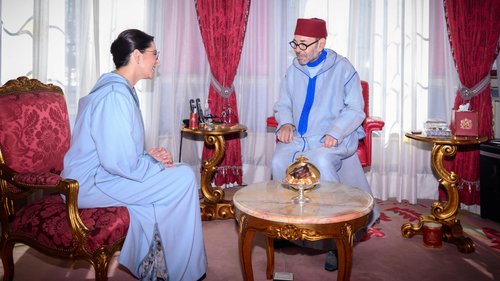
At the centre of the debate lies a tension between Spain's diplomatic relationship with Morocco and the pressure from European allies. Spain’s handling of the crisis drew criticism from Italy, which imposed restrictions on arrivals from the country, and strengthening of the EU's internal border controls. Meanwhile, the monarch is projected to visit Ceuta and Melilla shortly, underscoring the Spanish government’s commitment to these enclaves.
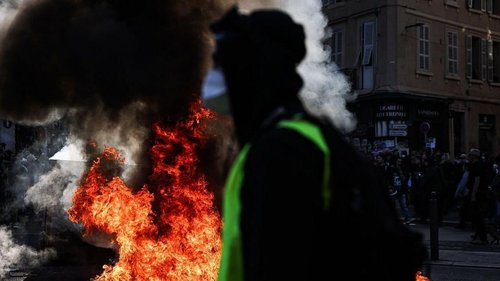
The protestors' chants highlighted not only a demand for accountability but also a broader critique of the government's response to the humanitarian crisis. The mass demonstrations underscore the escalating domestic pressure on Sánchez and his Socialists to navigate the coexistence of safety and human rights in the face of an unprecedented influx.
In forthcoming days, Spain will be preparing to address the complex challenges presented by the Ceuta situation, from the return of migrants over 90 % of whom have been sent back to Morocco, to negotiations over security and cooperation with Moroccan authorities, all while maintaining a public narrative of transparency and proven facts.