In brief
Spanish prosecutors say a wave of 23 recorded sexual assaults, with nine incidents involving children, has occurred in Ceuta since the massive influx in late July, giving almost one daily case. Ceuta’s chief prosecutor Silvia Rojas highlights the particular vulnerability of migrant girls with irregular status. With at least 72,000 migrants crossing on 30–31 July and roughly 5,000 still present, the territory faces violence and unrest as tensions rise between migrants and locals. Spain’s government has faced criticism over its handling, while Prime Minister Pedro Sánchez calls for decisive action and calls to remove the migrants, amid diplomatic sensitivities with Morocco and calls for a head of state visit.
Spanish prosecutors say 23 sexual assaults, including nine against children, have been recorded in Ceuta since the mass influx of migrants at the end of July.
The figure, according to chief prosecutor Silvia Rojas, translates into almost one case per day in the autonomous city.
Rojas warned that migrant girls are particularly vulnerable because of their irregular status in the territory.
Importantly, at least 72,000 migrants crossed from Morocco into Ceuta on 30 and 31 July; while most have returned, an estimated 5,000 remain, heightening unrest and posing a crisis for Spanish Prime Minister Pedro Sánchez.
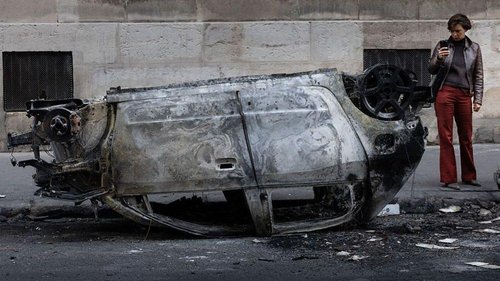
Recent days have seen scenes of violence erupting as tensions flare between migrants and local residents.
Sánchez convened a second national security meeting in a week to tackle the issue.
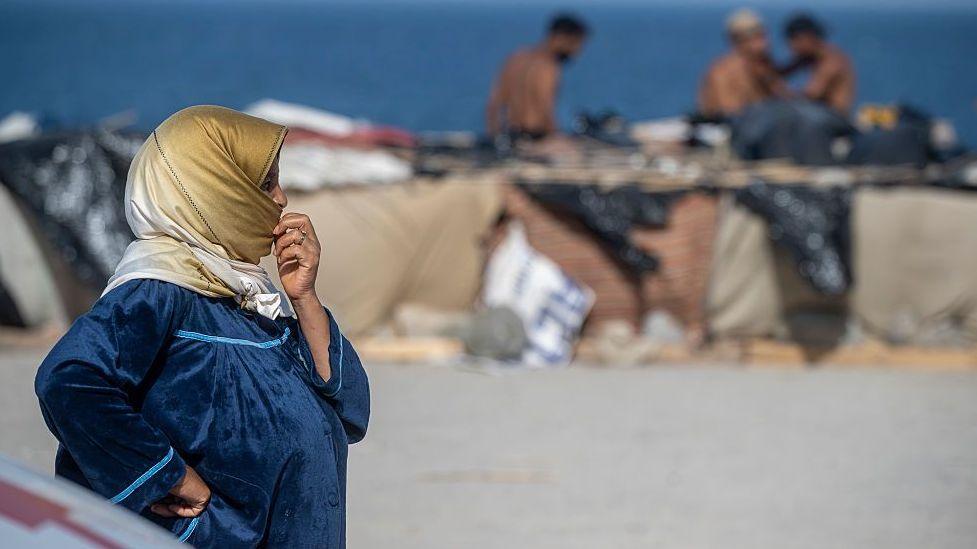
Data from Rojas indicates that between 1,400 and 1,600 of the 5,000 inhabitants are children.
Suspected attackers include four Moroccans, three Spaniards and a Belgian, according to Efe news agency.
Many victims reportedly did not file a report out of fear due to their “current situation in Ceuta.”
The Spanish Society of Epidemiology warned that violence against women cannot be considered isolated.
Economy Minister Carlos Cuerpo announced a multi‑million‑euro aid package approved by the cabinet to provide essential services and care for unaccompanied children.
The conservative mayor Juan Jesús Vivas called for Spaniards to take part in demonstrations across mainland Spain to support Ceuta, coinciding with the city’s annual holiday.
The government faces bitter criticism for its handling, with the hard‑right Vox party stating Sánchez had “handed it over.”
Arantxa Campos, president of the Ceuta Employers’ Confederation, warned that without a plan from the government, officials “don’t even know when they’re going to finish screening everyone.”
In a separate decree, Prime Minister Sánchez promised that King Felipe VI would visit Ceuta “as soon as conditions allow,” a move seen as asserting Spanish authority amid a longstanding claim by Morocco.
Sánchez clarified that no intelligence reports indicated any Moroccan involvement, focusing instead on disinformation spread by support for right‑wing movements and foreign actors, although he suggested these forces might have stoked the crises after 31 July.
While Russia and Israel denied any involvement, Israel’s Foreign Minister Gideon Sa’ar accused Sánchez of a “blatant lie,” and Russia’s foreign ministry spokeswoman demanded proof of accusations.
On social media, a wide range of posts in August portrayed the border fence as safe, despite at least 100 deaths while swimming around the fence, according to mayoral figures. The Spanish fact‑checking site Maldita noted that before the surge began, messages circulated encouraging attempts to cross after a June Supreme Court ruling.
The opposition People’s Party criticized Sánchez for “exonerating” Morocco, arguing that large‑scale movement towards Ceuta could not have occurred without Moroccan knowledge.
Morocco has denied orchestrating or being involved in the mass crossing.