In brief
A network of Instagram profiles has been discovered offering paid advice and false claims of safe passage across the border into Spanish enclave Ceuta. The scam, which charges hundreds of pounds, has contributed to a recent influx of migrants, many of whom drowned during the swim. The accounts spread misleading content that glamorises the trip, driving more people to attempt the dangerous crossing. Social media giant Meta has begun removing offending profiles and content after investigations by the BBC.
A network of Instagram profiles is reportedly selling guidance to Moroccan migrants who want to reach the European enclave of Ceuta, promising them a safe swim across the narrow strait that separates Morocco from the Spanish territory. These accounts portray the crossing as simple, providing videos of smooth shoreline swims and offering tips that allegedly help travelers avoid fences and patrols.
The BBC investigation revealed that the disguised user named Mohammed was contacted by one profile which claimed it had helped “many people” and requested a fee of 5000 dirhams (£400) for detailing the “sewer pipe” route that, in reality, is dangerous and rarely used by legitimate migrants.
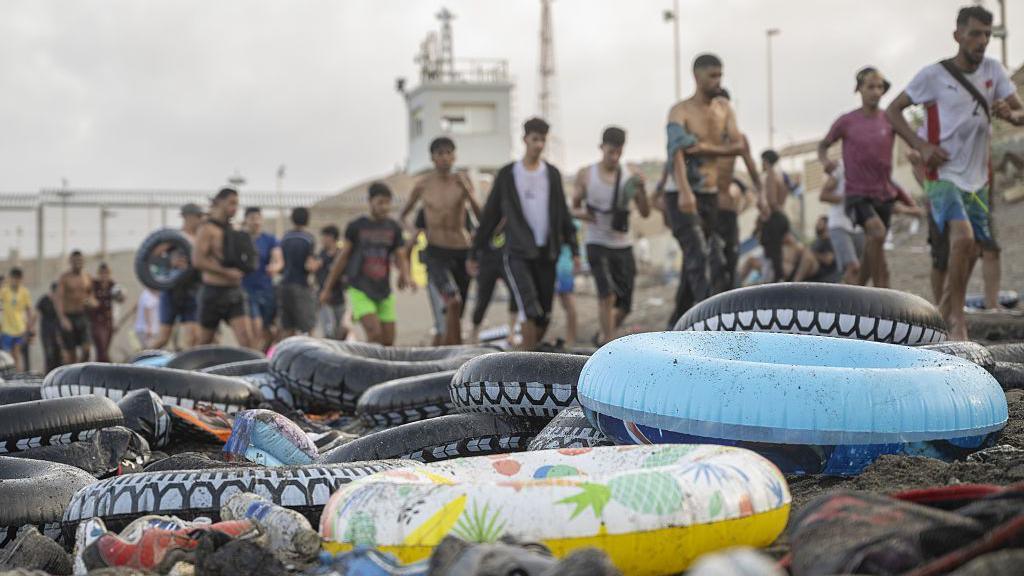
The surge of 78,000 migrants arriving by sea into Ceuta last month, which left 100 dead, raised alarm among EU states that share open borders and triggered criticism directed at the Spanish government for its border policies. The scam accounts, many of which use Spanish flags as profile images and add the country calling codes in descriptions, have built a following by sharing emotional, seemingly hopeful footage that misleads viewers about the safety of the journey.
Meta, the platform owner, confirmed that a dedicated team has been monitoring the situation in real time and removing content that violates policy by offering or encouraging human smuggling services. Several accounts have been deleted after the BBC tipped the company, but the algorithmic amplification continues to expose many young people to persuasive calls for a dangerous swim.
The crisis is amplified by the spread of fake content. Examples include a viral clip of two women in wetsuits simply walking through Ceuta which, when shared by Arabic‑speaking pages, had the cautionary caption removed, leaving viewers to believe the space is welcoming and accessible. Such misrepresentations have directly influenced thousands to attempt the dangerous crossing, resulting in further deaths and adding strain to diplomatic ties between Morocco and Spain.
These findings underline how social media can be weaponised to facilitate real‑world harm. In a world where posts that trigger strong emotions go viral, pay‑to‑assist scammers can easily set up private accounts that look like legitimate migrant support profiles, rallying a larger audience in the hope of charging for their guidance.