In brief
The Spanish enclave of Ceuta is still grappling with a wave of migrants that arrived in late July. Mayor‑President Juan Jesús Vivas estimated between 3,000 and 5,000 people remain, while the total influx had reached roughly 78,000 with 100 deaths. Vivas criticised the Spanish government’s delayed response and called for clearer data before decisions can be made. The EU has praised Spain’s swift action but warned of rising calls for more enforcement. The crisis has sparked diplomatic tensions with Morocco and within the EU, especially around Schengen arrangements.
Thousands of Migrants Still in Ceuta After Border Crisis, Local Leader Says
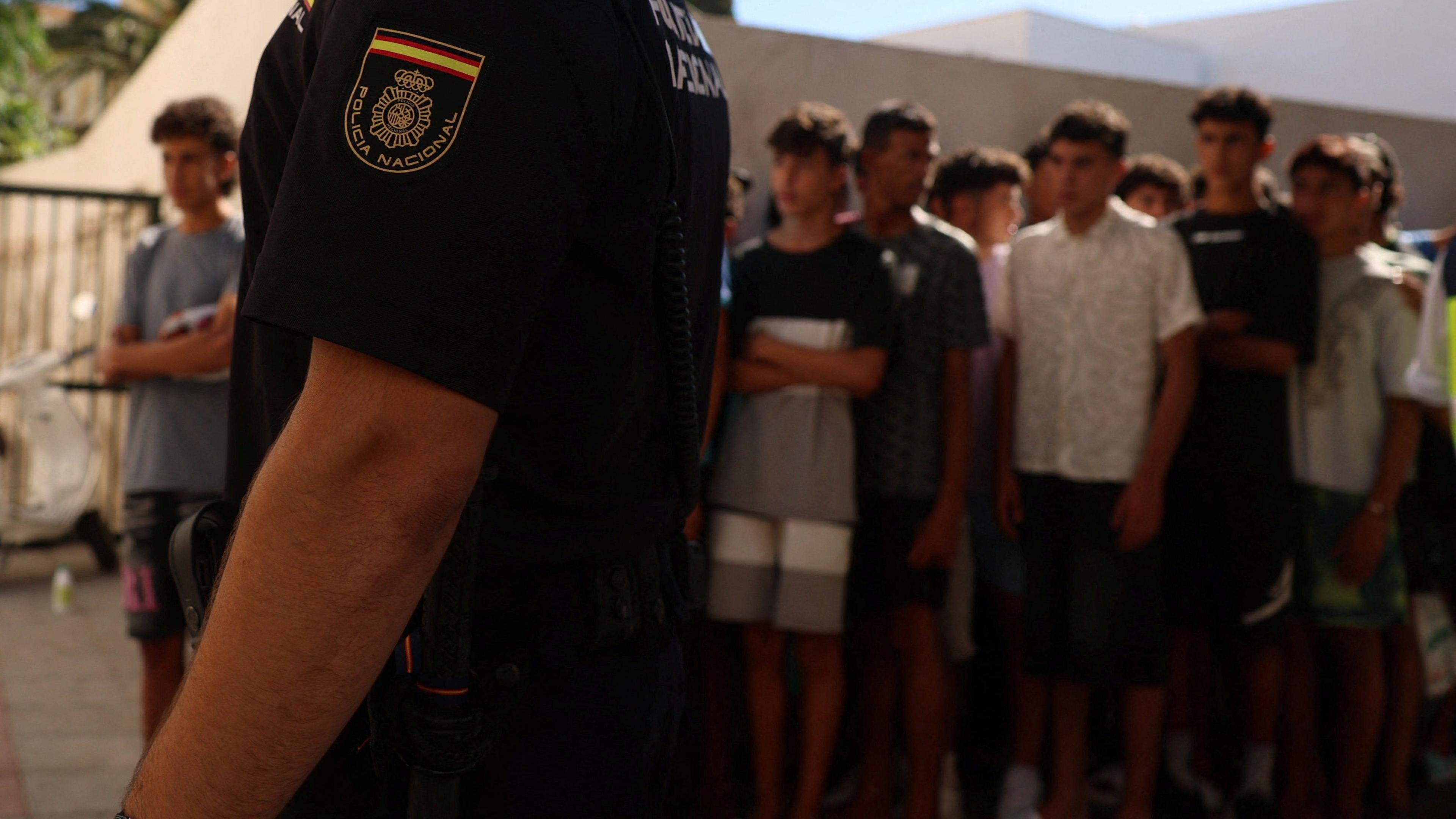
Between 3,000 and 5,000 migrants remain in the Spanish territory of Ceuta, according to its mayor‑president. The number follows a sharp surge that saw roughly 78,000 people arrive from neighbouring Morocco over the course of a week, resulting in 100 reported deaths.
Vivas expressed “profound sorrow” over the tragedy and criticised the Spanish government for a perceived slow response. He told the European Parliament that the lack of accurate figures for the number still in Ceuta exposed limited resources to manage the situation. The mayor also highlighted earlier warnings that were ignored by national authorities.
The incident has stirred diplomatic friction between Spain and Morocco, who dispute control of the enclaves. The Spanish Supreme Court recently ruled that migrants caught at sea on their way to Ceuta or Melilla cannot be returned to Morocco without due process, an outcome that Morocco attributes to a judicial decision that removed deterrence.
The European Union has commended Spain’s swift mobilisation of armed forces to the region and pledged to use its leverage—including trade and visa policy—to secure cooperation from Morocco. Yet an EU Commissioner stated that no additional request for border guards has yet been made by the Spanish government.
While around 75,000 migrants have already returned to Morocco, Vivas said Ceuta remains in a state of humanitarian emergency. He emphasised that re‑admittance of minors requires consent from parents or guardians, a process that is currently stalled. The Spanish Interior Minister confirmed €25 million has been allocated to assist the remaining minors.
Volunteer groups in Ceuta have registered approximately 4,860 migrant children, double the official estimate. Notably, no children have yet been relocated to mainland Spain due to reluctance by local right‑wing authorities. The situation is described as unsustainable, with neighbours reportedly taking some children into their homes.
Social media hashtags have surfaced urging new mass crossings, echoing previous events a week earlier. The changing dynamics of the crisis have led to an escalating debate within the EU, where some nations have suspended or questioned Spain’s Schengen status, despite the enclave’s exclusion from the agreement. The Spanish government continues to work closely with Morocco to prevent future breaches and to facilitate a future return of migrants still stranded in Ceuta.