Vulture Funds Fuel Spain Housing Crisis as Protesters Rally in Madrid
In the heart of Madrid’s Puerta del Sol, a group of young activists have set up a tent city to spotlight the nation’s mounting housing woes.
Pierina Nicuray, a 21‑year‑old university graduate, says: “A lack of homes.” She spots a @vulture‑fund in every empty apartment—businesses that buy properties, hike rents, and simply keep homes unoccupied until they can sell them at a profit.
A 19‑year‑old film‑dubbing student, Jorge Moreno, echoes her frustrations. “These investment firms turn housing into a commodity, squeezing prices for ordinary Spaniards,” he says, adding that his own prospects of owning a home seem grim.
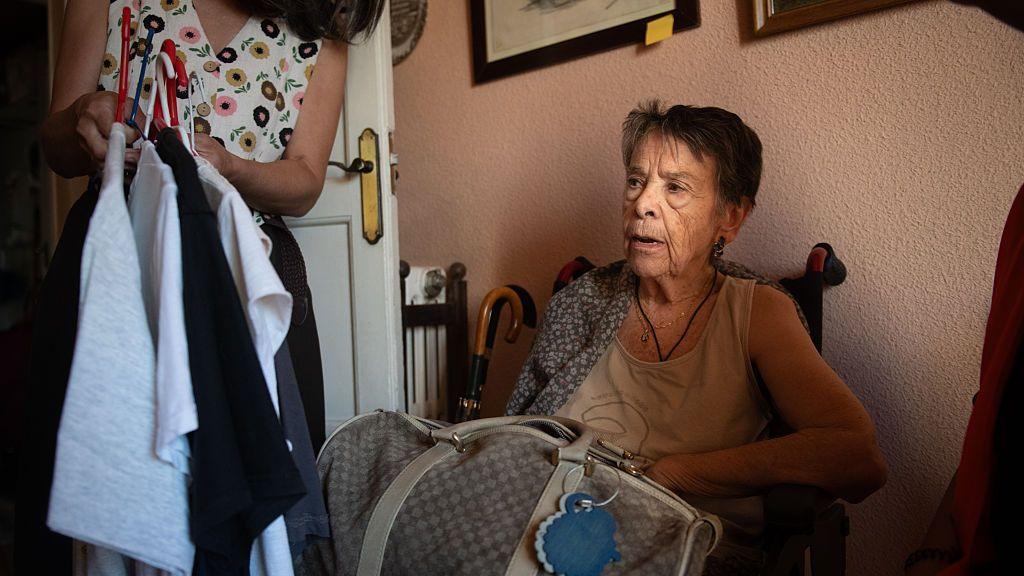
The protesters’ grievances are shared across Spain. Yesterday, an 87‑year‑old pensioner, Maricarmen Abascal, was evicted after her new landlords—an investment firm—raised her rent to an unaffordable level. Despite public outcry, she died in the hospital before she could reclaim her old flat.
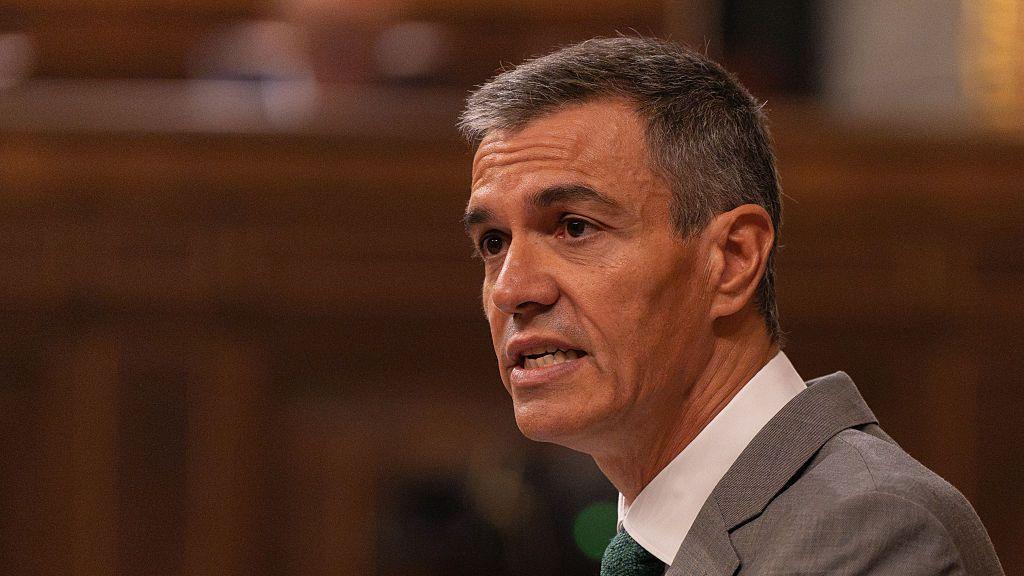
Prime Minister Pedro Sánchez’s recent attempt to legislate against speculation was rejected by Parliament, prompting him to call a snap election. The crisis now sits at the intersection of politics, economics, and social justice.
Numbers Behind the Crisis
- Rental costs have risen by 84% over the last decade across Spain.
- In Málaga, rents are up 113%; in Marbella, 150%.
- Spain is reported to have a housing shortfall of 750,000 homes, projected to hit one million by 2028.
- Only 8% of rental properties are owned by companies, according to Bank of Spain data.
- Nearly 1.2 million new households moved in between 2021‑2025, but under 500,000 new homes were built.
Voices from the Ground
"When a property is for rent, the waiting list is endless and the price is too high," says Carmen Pérez, a 75‑year‑old retired widow from Ecuador. She now lives with her daughter, citing depression and health issues from financial strain.
"No worker should spend 75% of their salary on rent," argues 81‑year‑old retired taxi driver Francisco Pardo, who visited the tent city to meet protesters. Madrid’s average monthly salary is €1,550, leaving little room for living costs if rents skyrocket.
Experts Weigh In
"The scarcity of supply, not speculative ownership, explains the sharp rent rise," notes Jorge Galindo, director of Esade’s Centre for Economic Policy. He stresses that property speculation by small numbers of investors is limited.
"Airbnb and short‑term rentals may spur local price increases, but the nationwide effect is modest," he adds, citing data on tourism‑related rentals and regulatory limits.
Interactive Map
The map illustrates rapid rent growth by city, with Madrid and the Algarve region highlighted for particularly steep increases.
As Spain confronts rising housing needs, the debate over investment funds, government policy, and social housing will shape the nation’s economic future.