Spanish PM Sánchez Calls Early Election Amid Housing Protest Surge
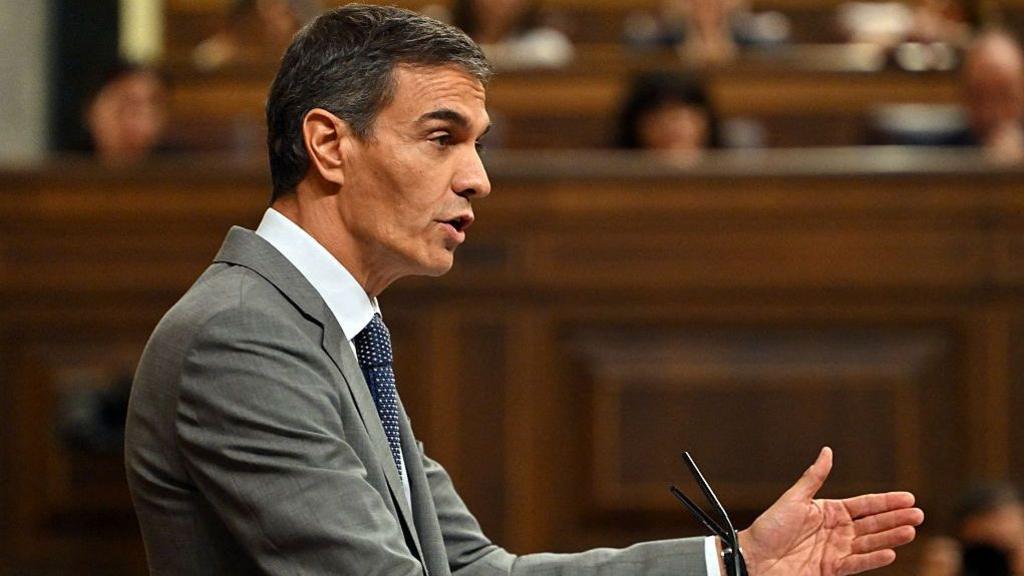
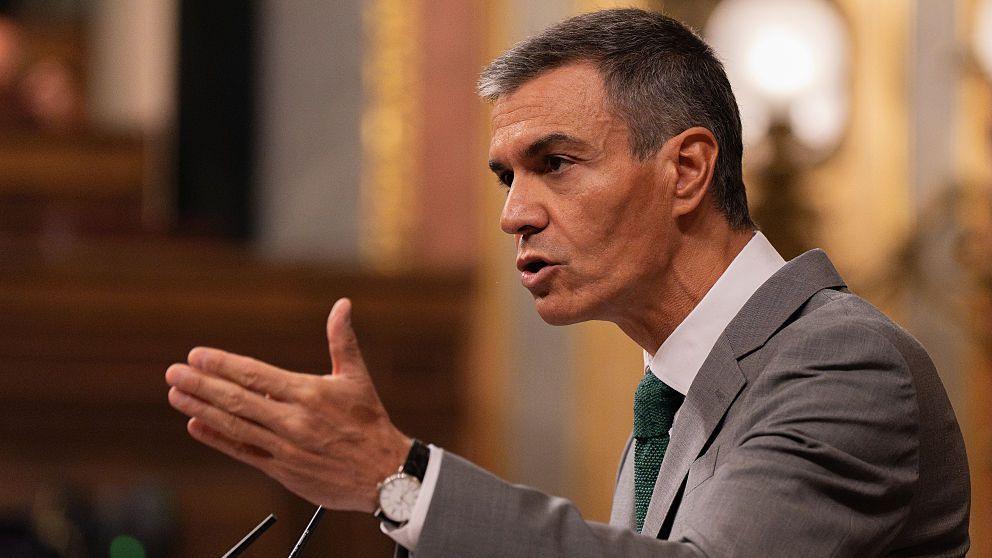
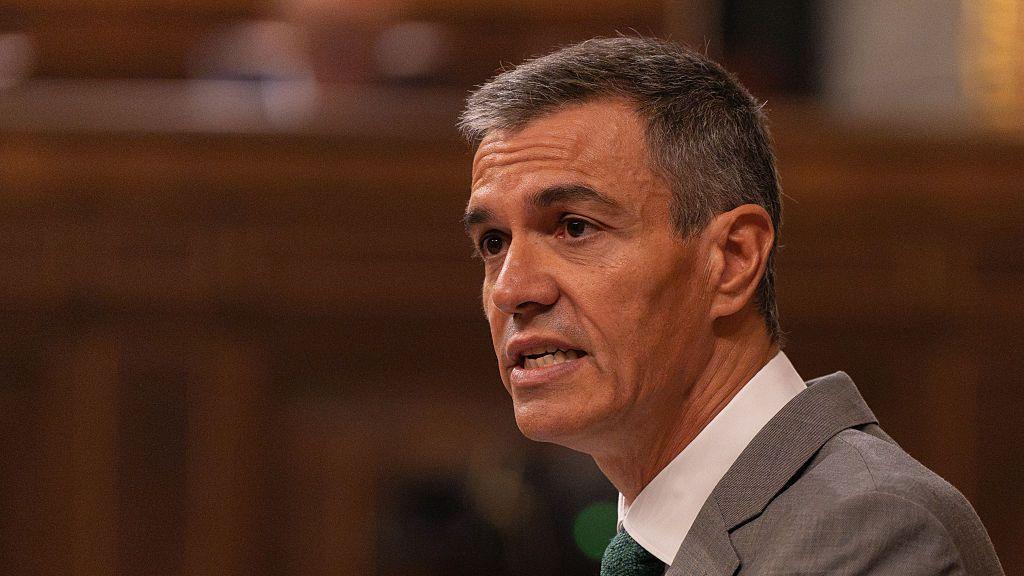
Prime Minister Pedro Sánchez has announced a snap national election for 29 November, following a barrage of protests over the country’s housing crisis.
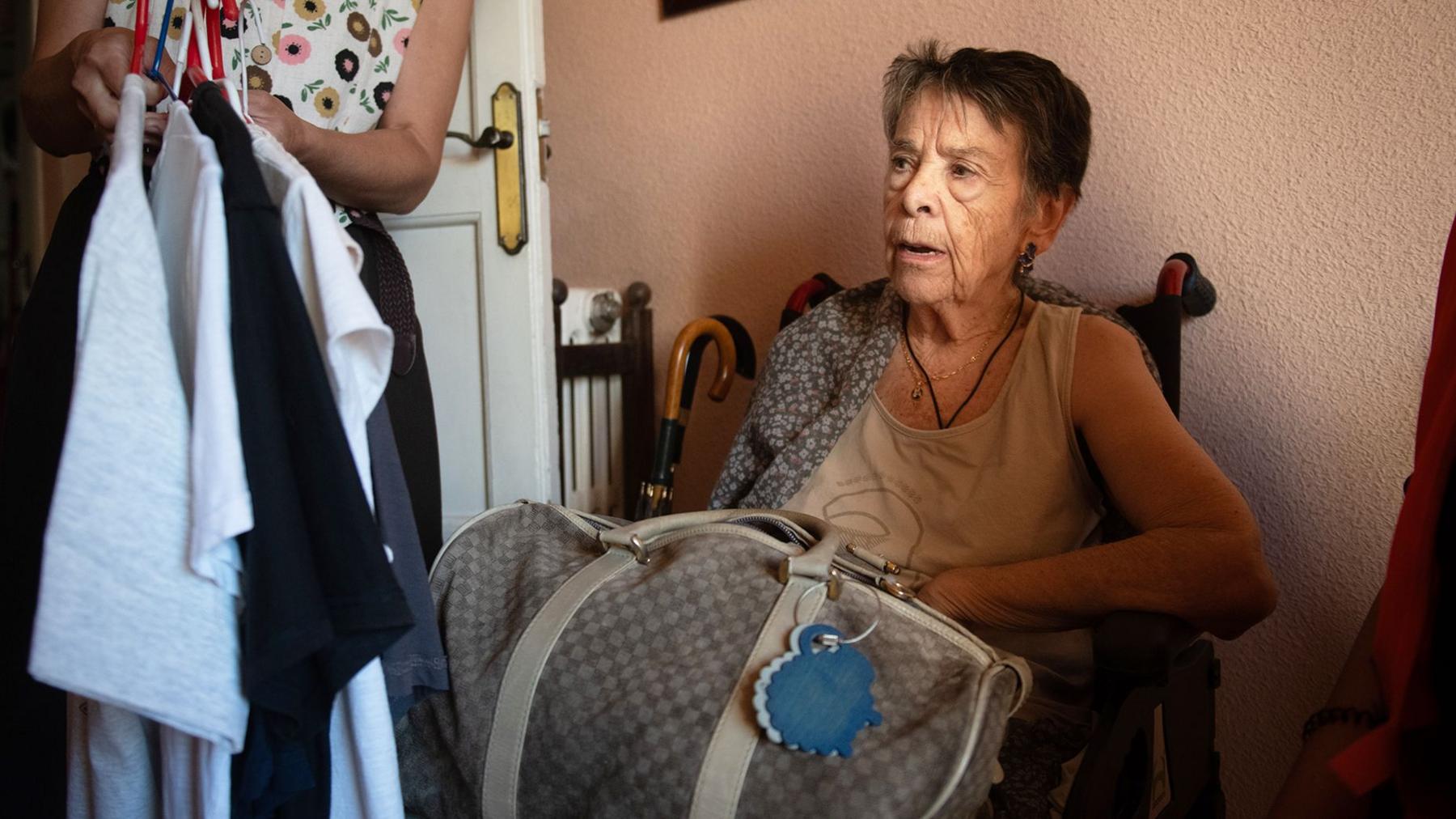
The announcement came a day after Parliament rejected two decree laws the ruling left‑wing coalition had pushed through to protect tenants in the rent‑controlled market. The eviction of 87‑year‑old Maricarmen Abascal, whose rent was raised from €500 to €2,650 before being partially lowered, sparked outrage in Madrid, Valencia and Barcelona.
Sánchez told the nation in a televised address that he needs a “broader progressive majority” to overcome resistance from elites and enact the housing reforms that have stalled. He cited rising inequality, public service shortfalls and a housing shortage that hit the most vulnerable.
The left‑wing coalition, made up of the Spanish Socialist Workers’ Party and the junior Sumar alliance, has never held an outright majority in the lower house. A March electoral victory by the conservative people’s party left the new government dependent on support from smaller nationalist and pro‑independence parties.
Polls suggest the conservatives may be the largest group at the next election, but they would likely need the backing of the hard‑right Vox party to form a governing coalition.
Opponents of the current government say the snap election offers voters a chance to choose between “decline or change, lies or change, incompetence or change.” The opposition leader, Alberto Núñez Feijóo, emphasized the need for accountability and policy shifts.
Sánchez’s leadership has also been weakened by a slew of scandals: the arrest of his wife Begoña Gómez on corruption charges, police raids on Socialist headquarters and the imprisonment of former transport minister José Luis Ábalos for corrupt mask procurement during the pandemic.
With both internal turmoil and public pressure mounting, the caretaker government is racing to secure a parliamentary majority ahead of the new vote. The outcome will determine Spain’s political trajectory and how the housing crisis is tackled in the coming months.
Key Images from the Protest

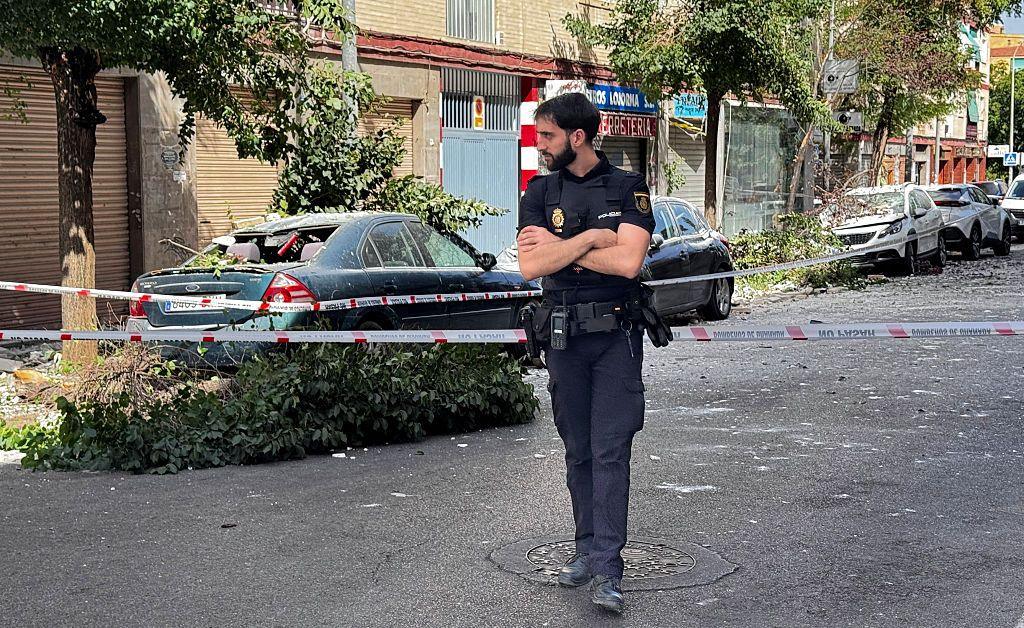
The removal of Ms. Abascal on a stretcher and her subsequent hospitalisation shocked the nation, making her a symbol of the housing crisis.
The government’s two decree laws aimed to freeze evictions for vulnerable tenants until 2030, extend lease terms, curb tourist‑rented property purchases, and require automatic contract renewals. Conservative factions argue that increased regulation will stifle the rental market and inflate prices.

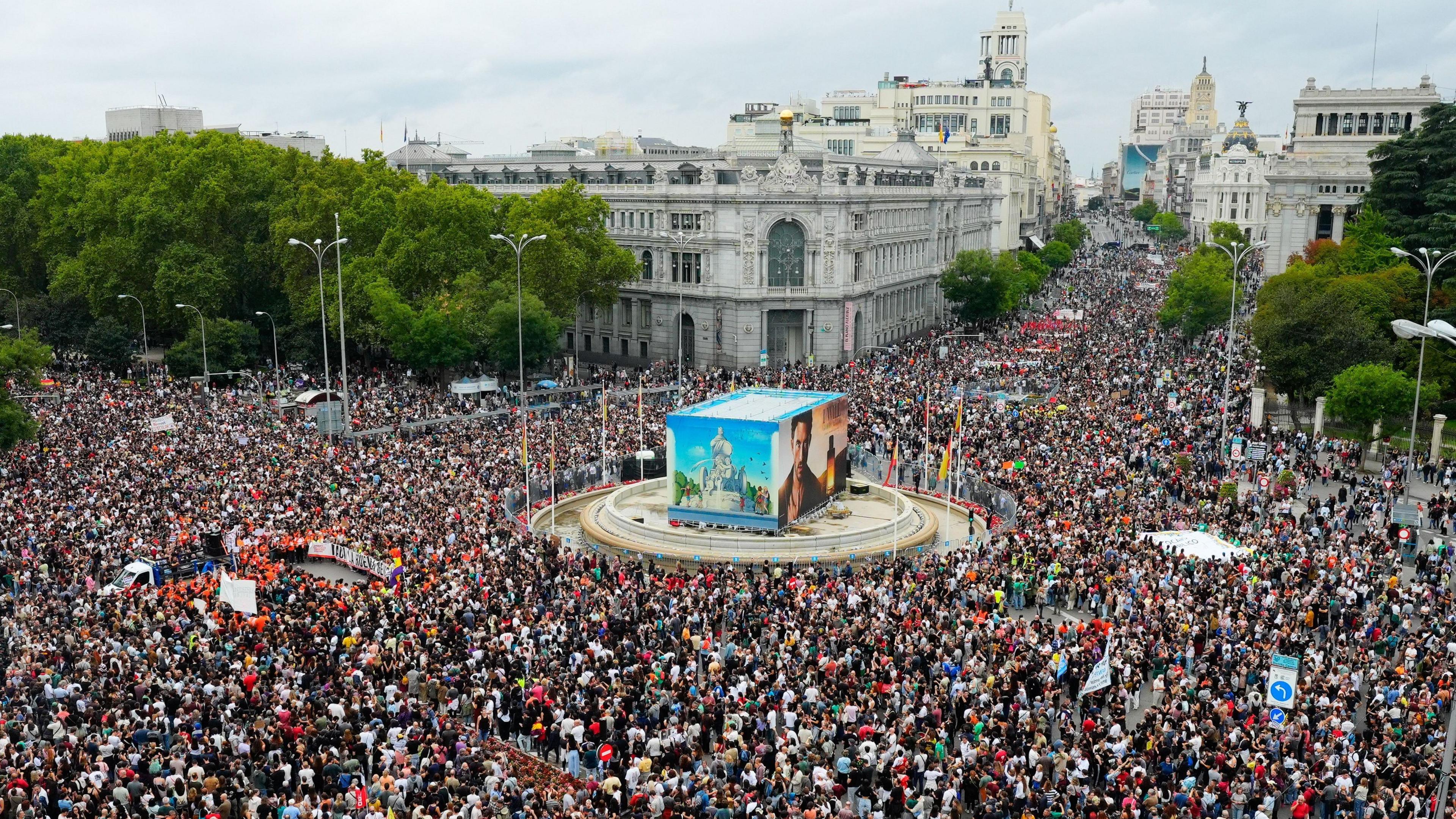
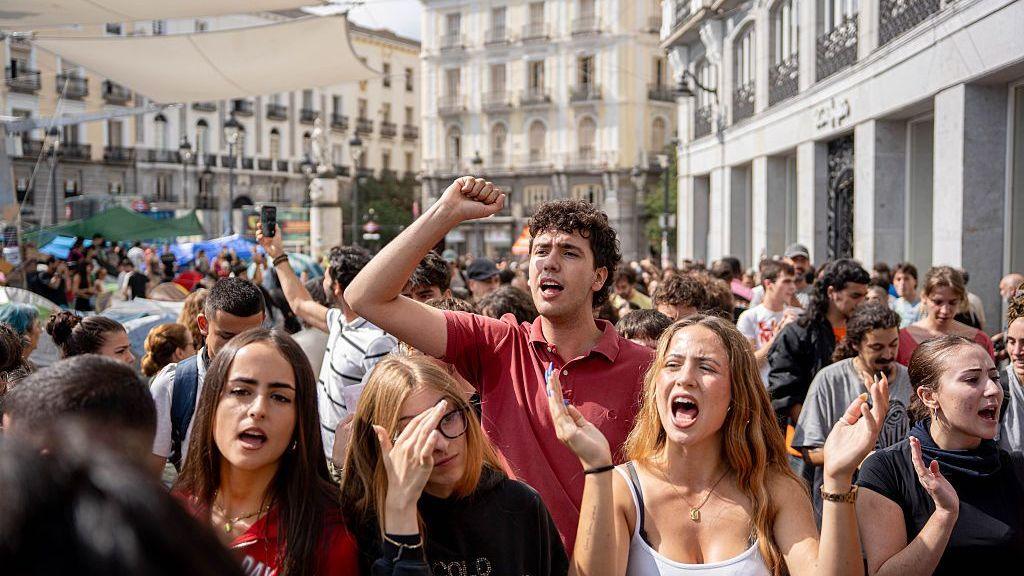
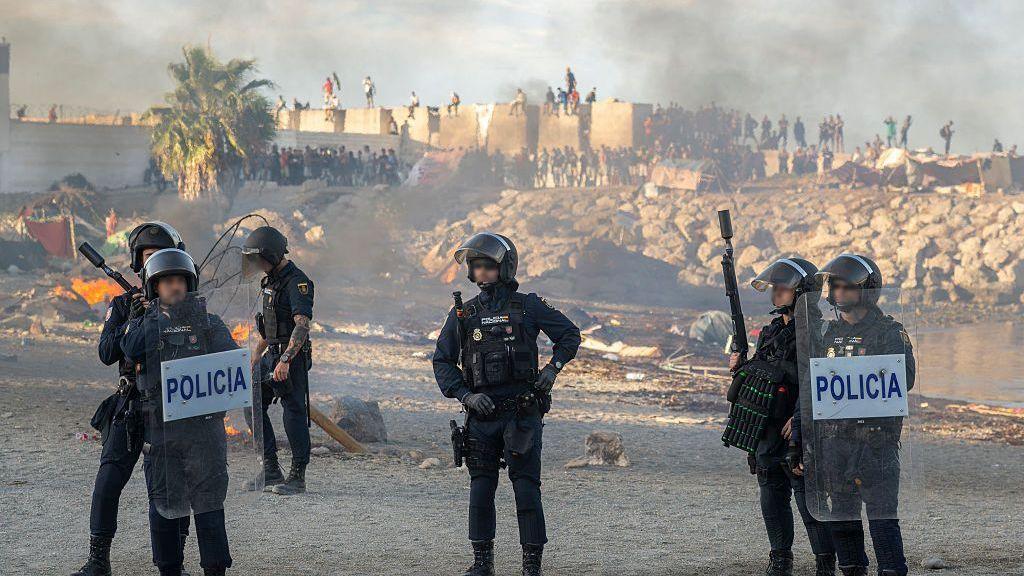
Sat, Tens of thousands marched in Madrid’s city centre, their slogans echoing opposition to the ongoing housing crisis and the government’s proposed reforms.
The debate over Spain’s housing policy continues to dominate headlines as the country braces for the forthcoming election and the political future of Sánchez’s coalition.