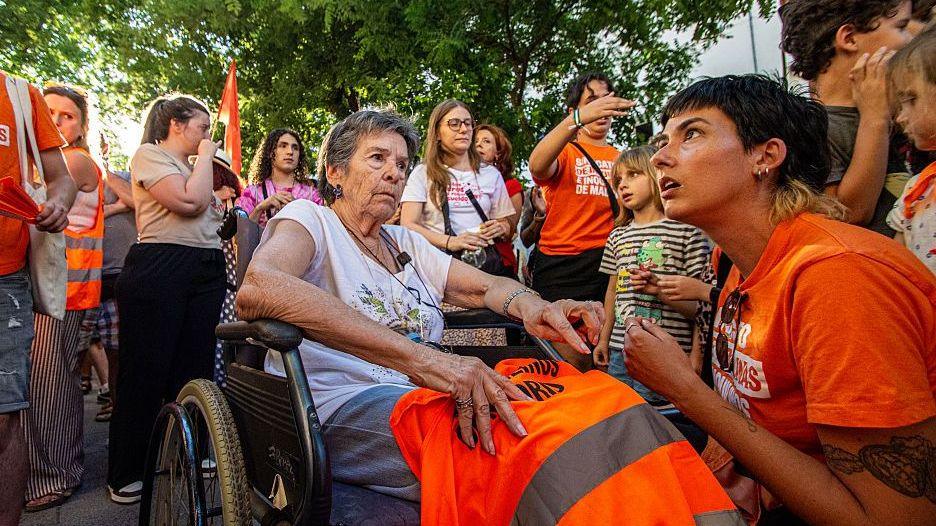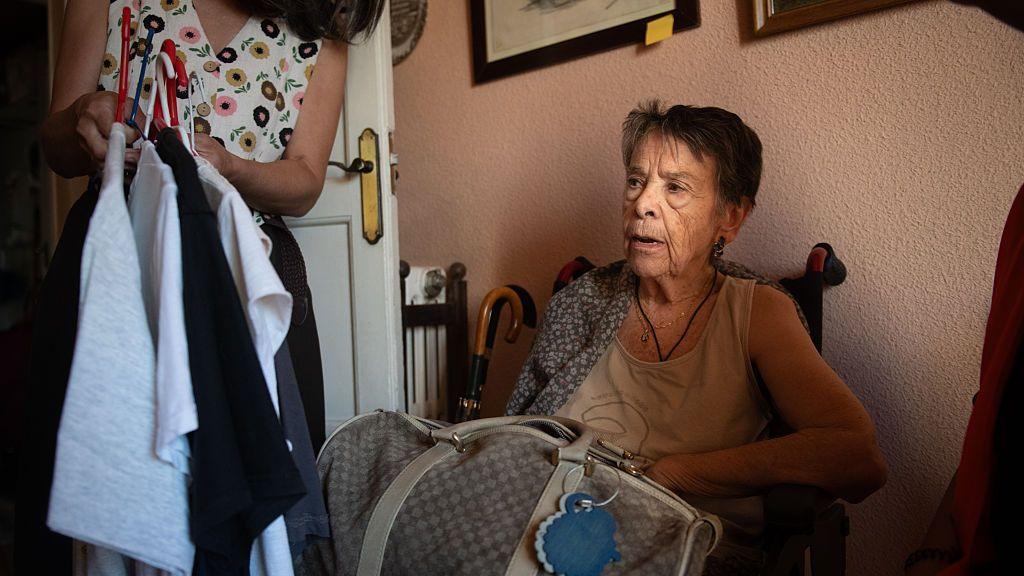
Eighty‑seven‑year‑old Maricarmen Abascal, who had lived in her Madrid home for more than 70 years, died at the Gregorio Marañón Hospital after a painful eviction and a long battle with riel‑rising rent.
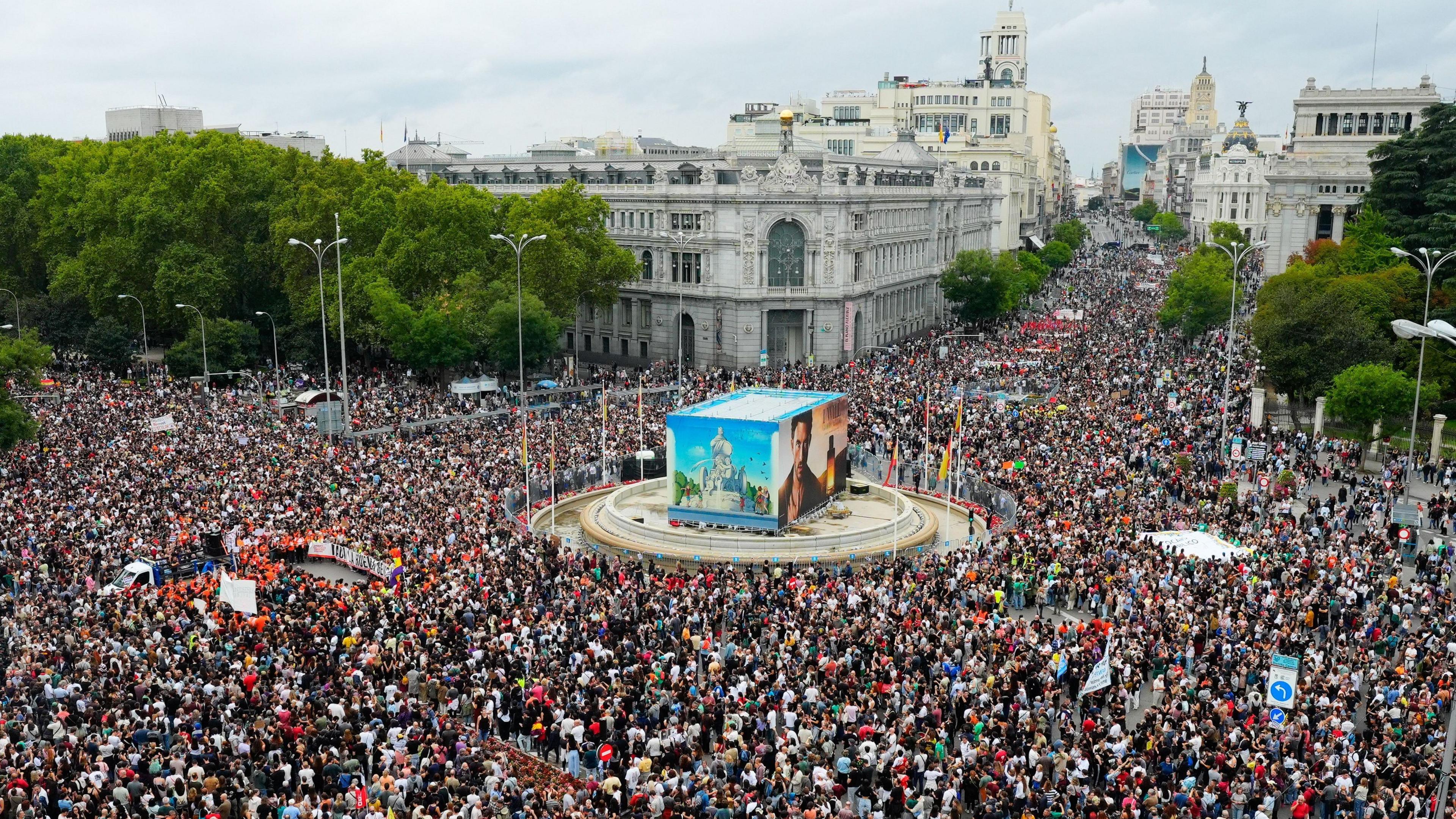
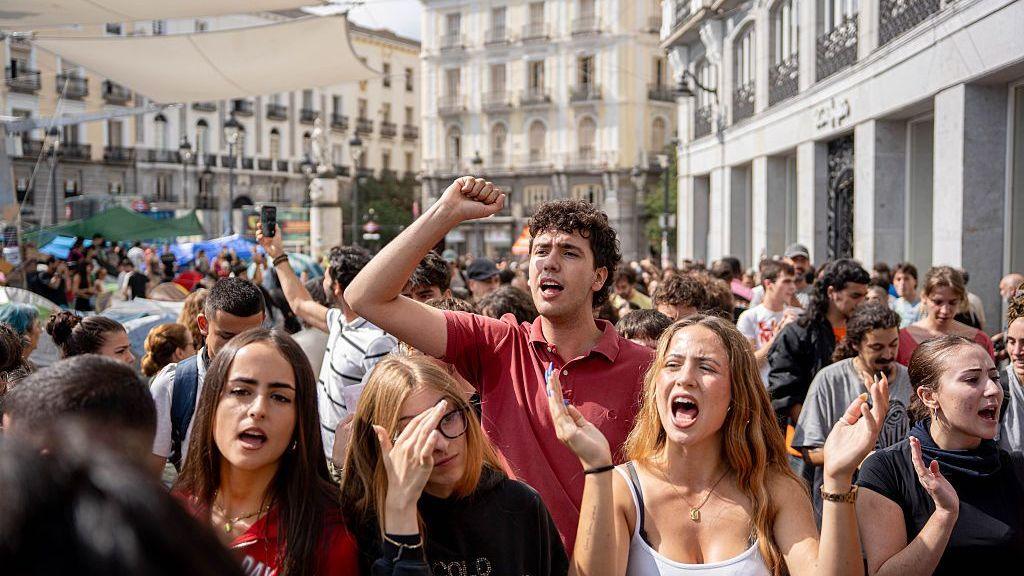
On 23 September the flat’s owners forcibly removed her on a stretcher, despite her having been offered a reduced rate he failed to sign because she was ill. Her case became a rallying point for thousands who set up tents in Puerta del Sol, demanding affordable housing and an end to such evictions.
The moment news of her death reached the square, candles were lit and a spontaneous minute of silence lifted a collective gasp. Protesters marched from the plaza to the Spanish Parliament chanting, "The fight will continue, Maricarmen is still alive," and "We will not tolerate a single eviction more."
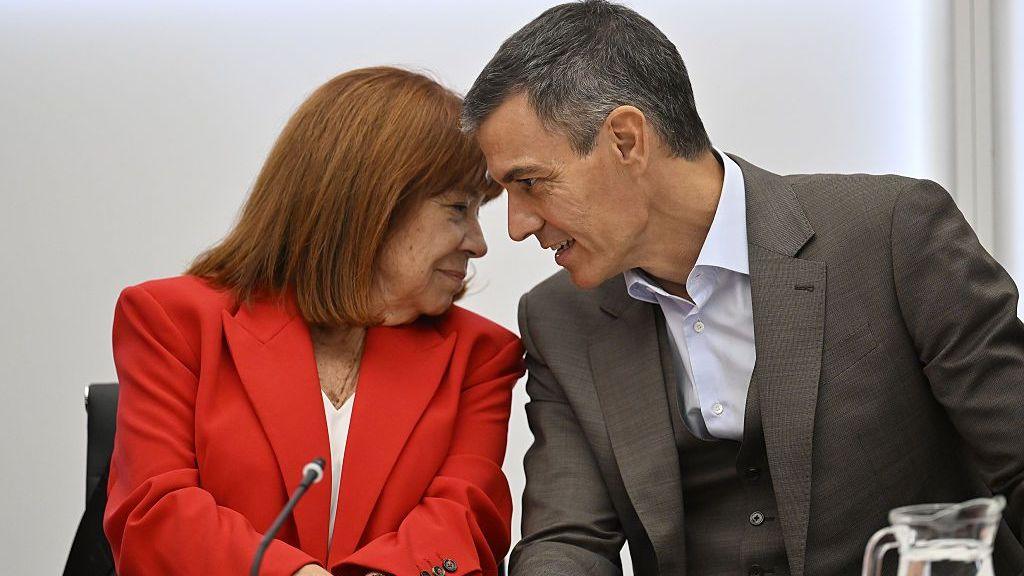
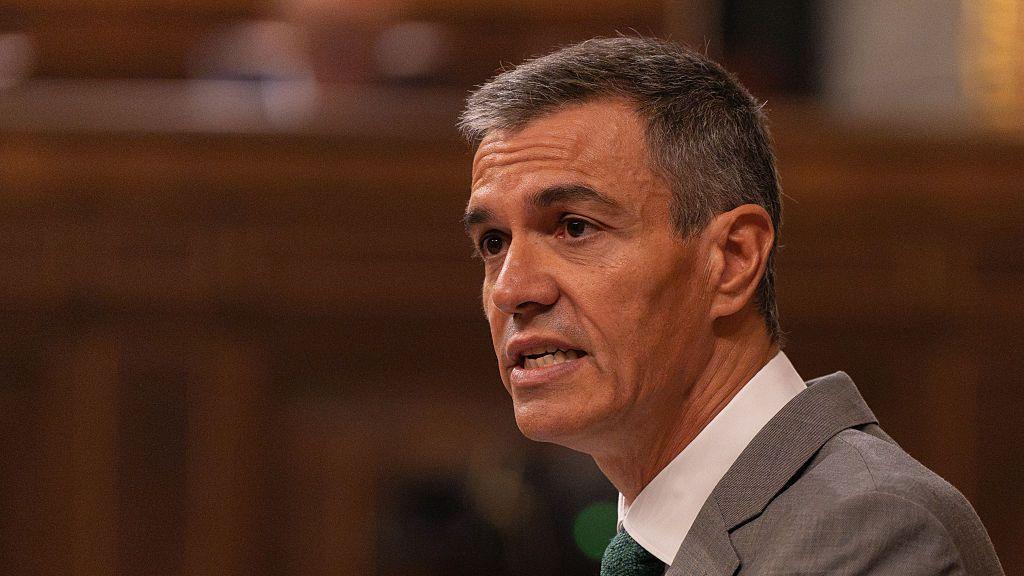
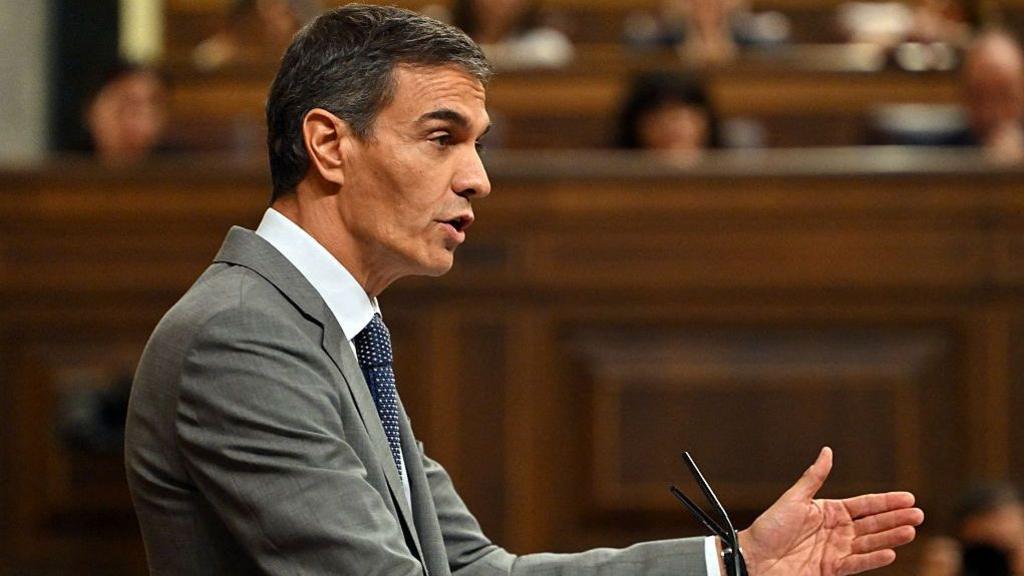
Government officials rushed to publicise condolences. Prime Minister Pedro Sánchez called a "hugge" for those who mourned, warning the death should not be politicised. The opposition’s Alberto Núñez Feijóo urged respect and denounced any exploitation of the tragedy.
The eviction crisis has already led the minority government to introduce emergency decrees, which were rejected by Congress, sparking a snap election call for 29 November. The housing debate deepens divisions: right‑wing parties warn intervention would lower supply and push prices up, while left‑wing groups push for stricter rent controls.
As Madrid’s residents gather with candles and handwritten tribute cards, the story of Maricarmen Abascal reminds all that behind the numbers and policy pledges are real people fighting to stay in their homes. Her death will likely fuel further marches and solidify the housing reform countdown in the coming weeks.