Malaysia Begins Controversial Repatriation of Rohingya Asylum Seekers to Myanmar
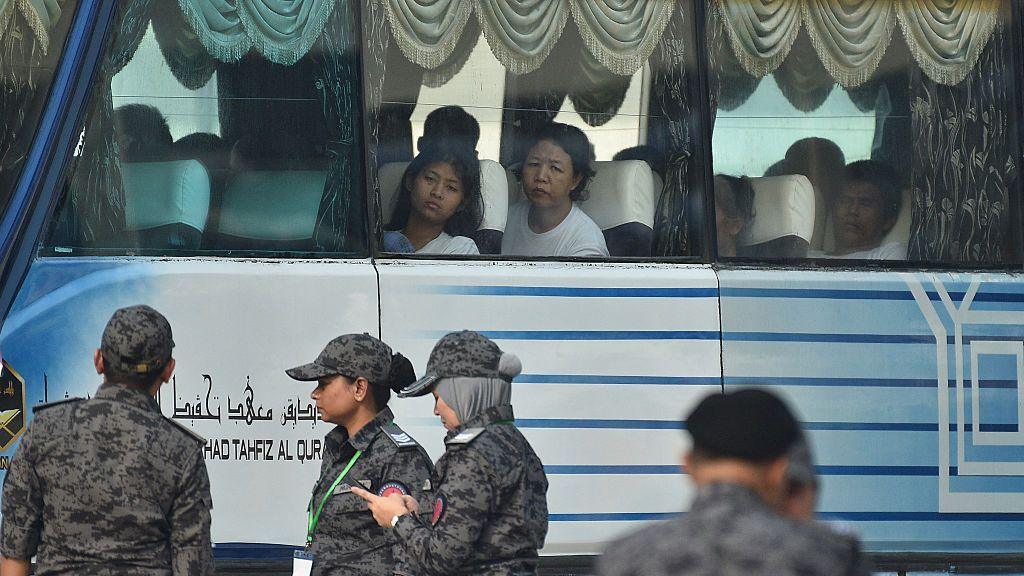
The Malaysian government has started sending approximately 5,000 asylum seekers, mainly Rohingya refugees, back to Myanmar under an agreement with the country’s military ruler. Three navy ships left Malaysian waters on Tuesday carrying 1,476 returnees. Human‑rights organisations warn that the victims may face violence, persecution or forced military conscription once they arrive in a country still embroiled in civil war.
Malaysia insists the flights are voluntary, though it has barred the UN refugee agency from inspecting the detainees in its camps. The move reflects a sharp change in the nation’s stance, fueled by economic hardship and rising anti‑immigrant sentiment among the Malay majority.
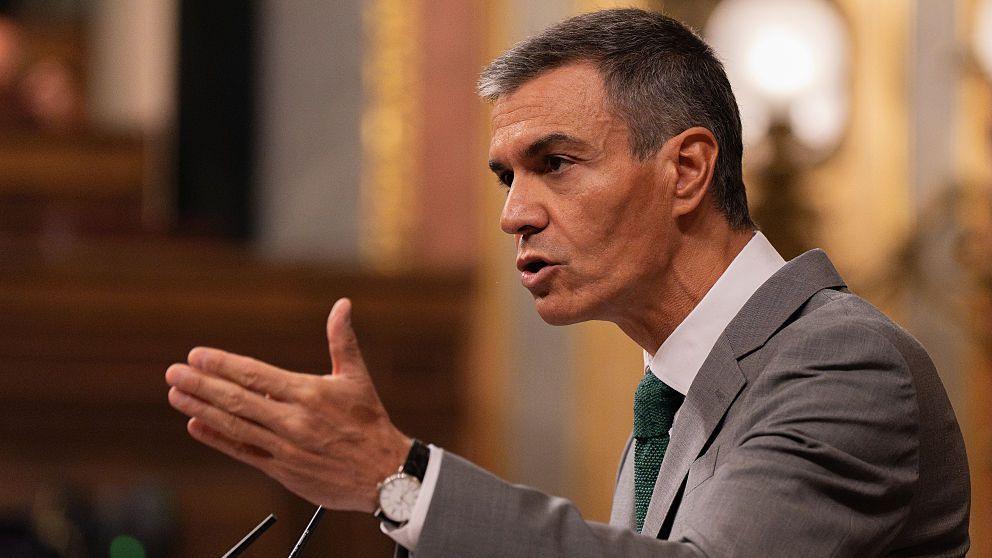
Prime Minister Anwar Ibrahim has justified the deportations as a response to public hostility, claiming the refugees are a 'burden.' Critics point out that many Rohingyas lack the documents needed to re‑enter Myanmar, and would be handed back to a war zone controlled by armed groups. Human‑rights advocates fear the returnees could be forced into illegal camps or the army.
Shifting Sentiment in a Pandemic‑Struck Nation
The pandemic tightened Malaysia’s economy and amplified social media campaigns that blamed the Rohingyas for jobs and resources. Online petitions gathered hundreds of thousands of signatures demanding their expulsion, and a false claim about waste disposal soon went viral. The government reacted by cracking down on communities believed to shield illegal migrants.
Political Pressure on Anwar Ibrahim
Anwar's former image as a human‑rights champion has dimmed under pressure from his coalition partner UMNO and a declining vote share. Observers say the prime minister is making concessions to keep fragile politics stable, even as the Malay electorate feels threatened by migrants. Praise for his decision as 'necessary' stands in stark contrast to calls for a more humane approach.
Forced Return into Conflict
Repatriated Rohingyas will likely be sent to Rakhine State, now under siege, with limited access to basic services. The state is dominated by the Arakan Army and regularly bombed by Myanmar’s air force. Reports show civilians, including children, already suffer in markets targeted by shelling.
The Malaysian government has not explained how the refugees will be rehabilitated or protected, raising concerns about potential forced conscription or worse. Over a million Rohingyas have fled Myanmar since 2017, and many millions more live in host countries willing to discuss resettlement, but the process remains unclear.
Rohingya rights advocates call for the decision to be revisited, emphasising that returnees should be heard, treated with dignity and not used as scapegoats for political gain.