Kyiv Families Seek Warmth and Safety as Winter Approaches
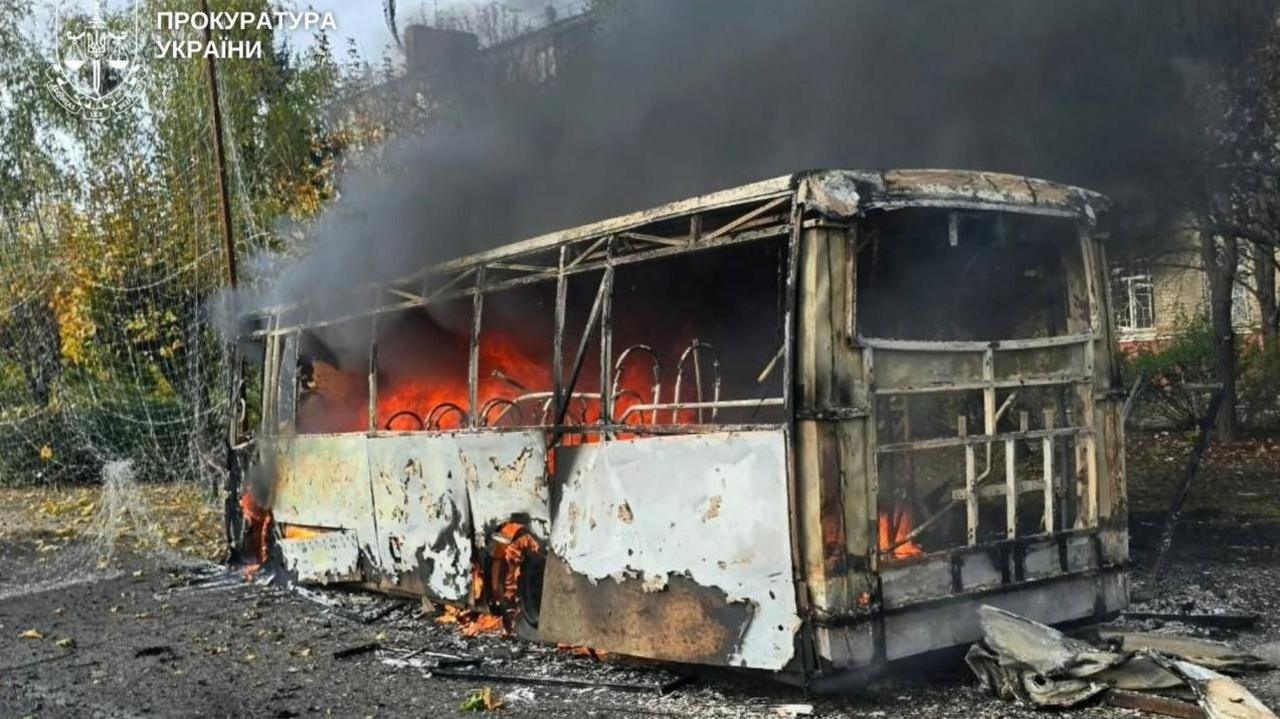
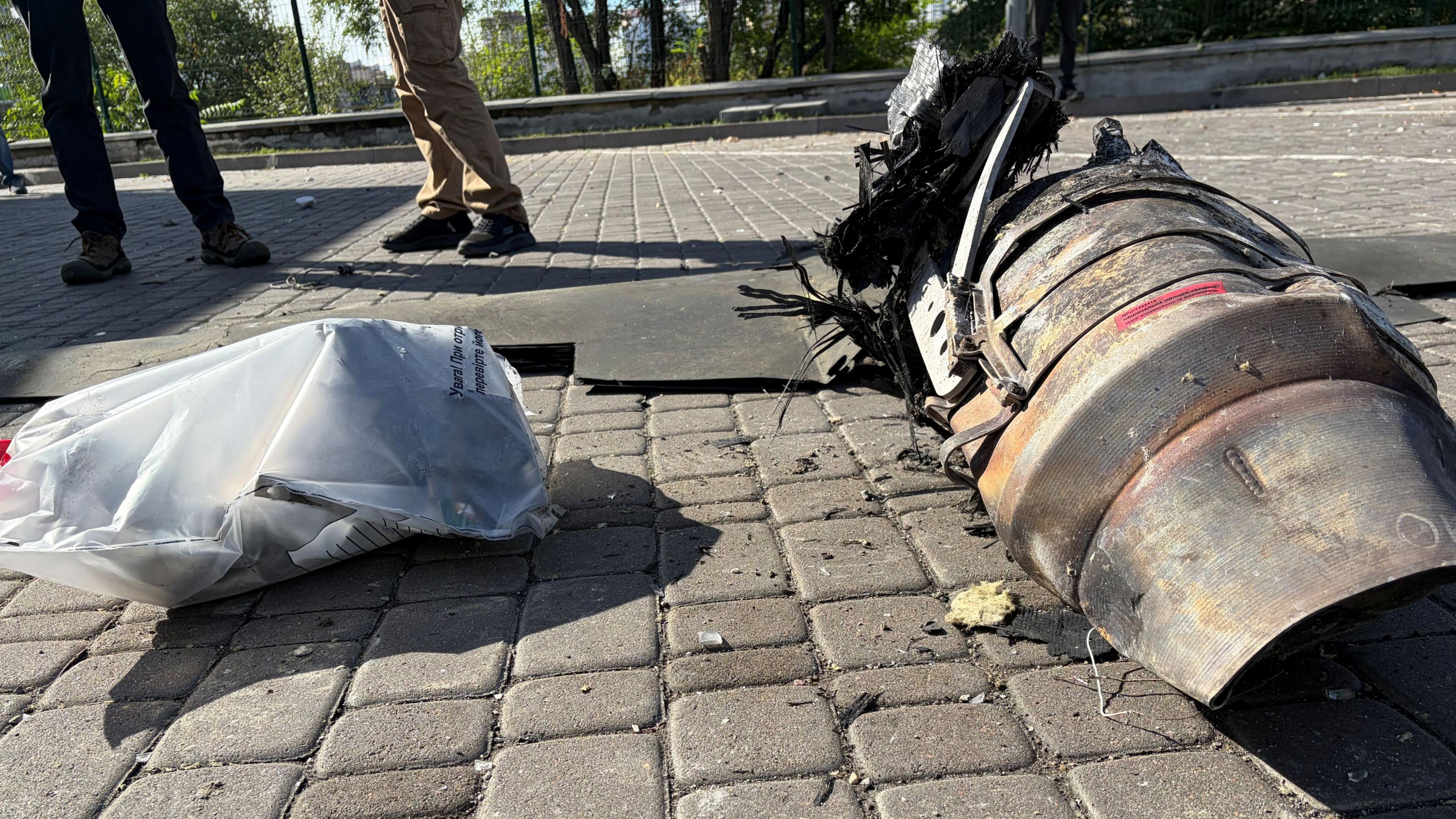
The coldest winter on record has begun to bite into the heart of Kyiv, coinciding with a sharp uptick in Russian drone and missile strikes that now hit the city’s centre. For many residents, living conditions have become a nightly battle against the elements and the threat of sudden attacks.
"Last year was brutal," says Mariia Shostak, a mother of two who has decided to leave the capital. Her 4‑year‑old son Artur and 2‑year‑old daughter Kira are headed to Hurghada on Egypt’s Red Sea coast, where the temperature stays above 30 °C and, she says, is far cheaper than Europe.
Mariia recalls the months of black‑outs that left her apartment at sub‑zero temperatures. “Those days were unbearable. I couldn’t plan to face another one of them.” The decision followed intensified attacks in late August and early September, when missiles and drones struck in the heart of the city.
The pattern repeats across the population. Iryna, whose 3‑year‑old daughter Polina panics whenever a siren blares, speaks of exploding windows, a ground‑shaking blast that moved her family into temporary accommodation, and the growing anxiety that has turned into a neurological health problem. Her husband serves in the army and she believes the safest route would be to move abroad or to a quieter, rural setting.
Olena Konoplia chose another path. After weeks of searching, she secured a cottage two hours outside Kyiv, in a village free of factories, warehouses or railway stations that could become targets. “Everything that can be a target is a worry,” she explains. In the new home, a gas‑powered heater co‑exists with a stack of firewood and reliable high‑speed internet – a peace she says she can finally enjoy.
The local government is stepping in, placing the most vulnerable – the elderly and families with tiny children – into sanitariums and rehab centres in forested outskirts, and installing fifteen small‑scale power plants fortified against drone strikes. Yet the city’s supply chain remains fragile, with supermarkets occasionally running out of basic goods, adding to the sense of urgency among residents.
While polls indicate up to 40 % of Ukrainians consider relocation, experts say a mass exodus remains unlikely until conditions worsen. “People will postpone until the environment becomes truly unlivable,” Evgeniya Blyznyuk, a Gradus research founder, says.
For now, Kyiv’s residents are preparing either for another harsh winter in the capital or a new life beyond its borders.