Massive Bogong Moth Migration Thrashes Sydney and Canberra—Experts Explain the Phenomenon
Across Australia’s eastern seaboard, a silent swarm of endangered Bogong moths (Agrotis infusa) has taken up residence—setting off a ripple of alarm from Sydney to Canberra. The species, long known for its epic alpine migration within the Snowy Mountains, has for the first time been seen drifting in large numbers into urban and suburban areas, startling residents who claim they have seen the moths block cars, flutter into kitchens, and even stay in their homes overnight.
Helen Livingstone of the BBC explains that this sudden exodus is likely tied to a combination of climate shifts and forest management practices. Warmer, wetter winters reduce the moths’ traditional alpine habitat, forcing them farther north in search of suitable breeding sites. Moreover, changes in fire regimes and tree planting can both create new food sources and alter humidity levels, further encouraging the moths to disperse.
Local wildlife officials warn that while Bogong moths are native to the region, their unprecedented numbers could disrupt local ecosystems and pose a threat to other insect species. The moths are edible and an important nighttime food source for birds and bats, yet sudden influxes may upset the delicate balance of urban and rural food webs.
In response, authorities have issued a public advisory urging residents to report sighting locations, avoid the use of pesticides that could harm the moths and other beneficial insects, and to adopt ecosystem-friendly deterrents such as screen doors. The Australian Conservation Foundation has also been mobilised to monitor the migration and assess potential impacts on the endangered species’ long-term survival.
If you’ve encountered the swarm or have questions about the best ways to respond, community forums and local wildlife hotlines are actively collecting data. A live map of reported sightings, generated from citizen‑science inputs, is being developed to help predict the moths’ next stops and guide public safety measures.
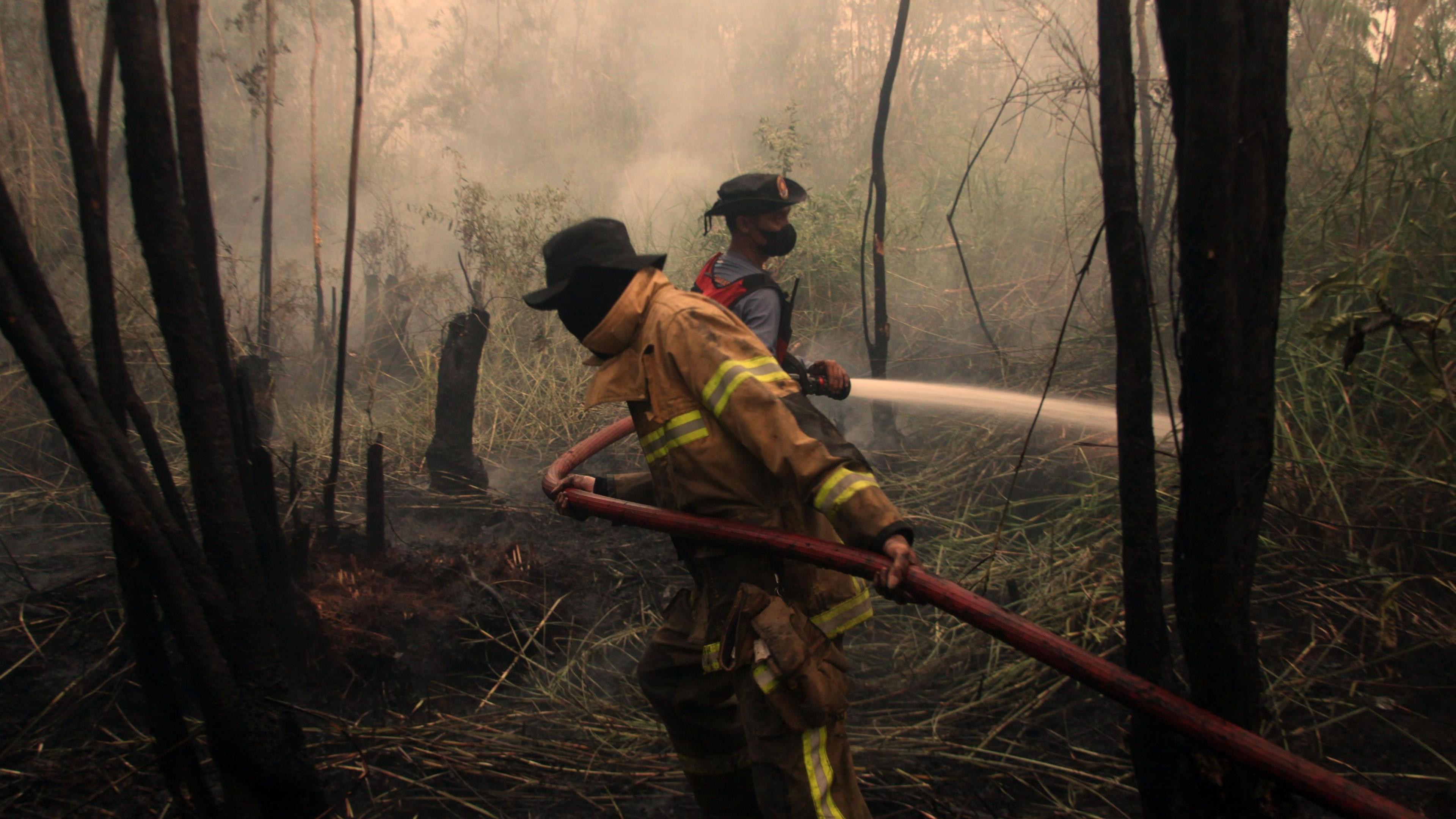
For a closer look, below is a photo of the iconic Bogong moth in its natural temperate forest habitat: