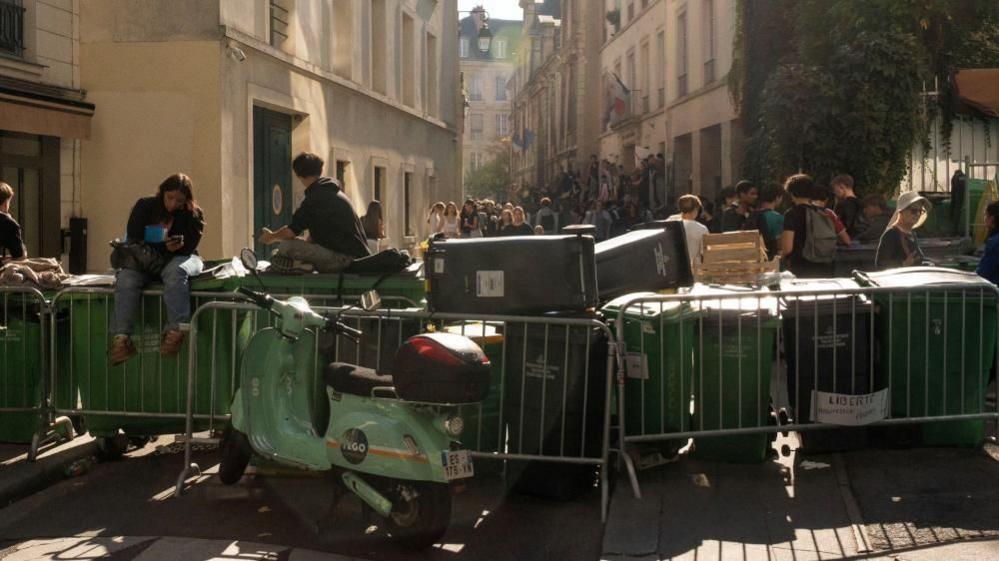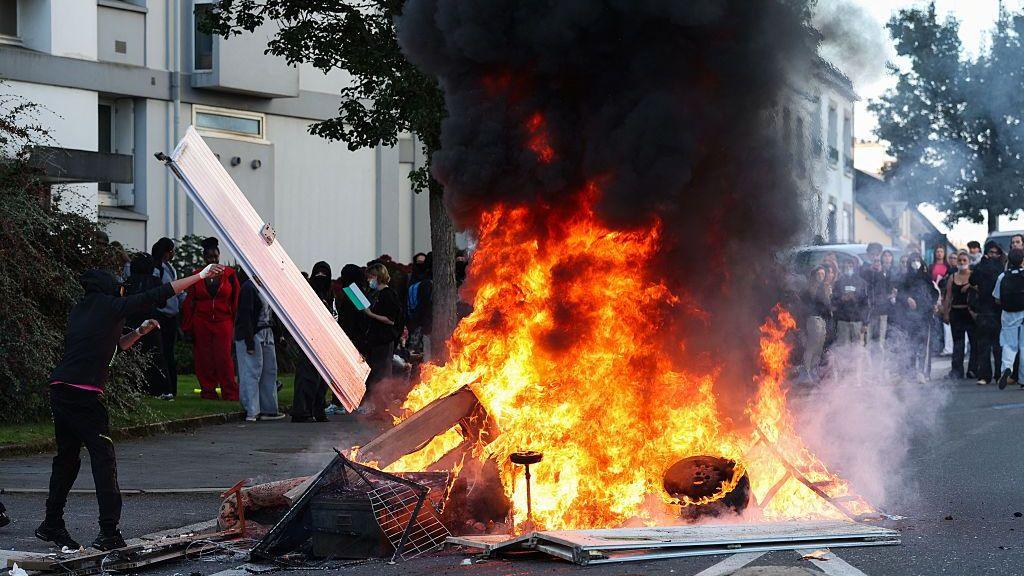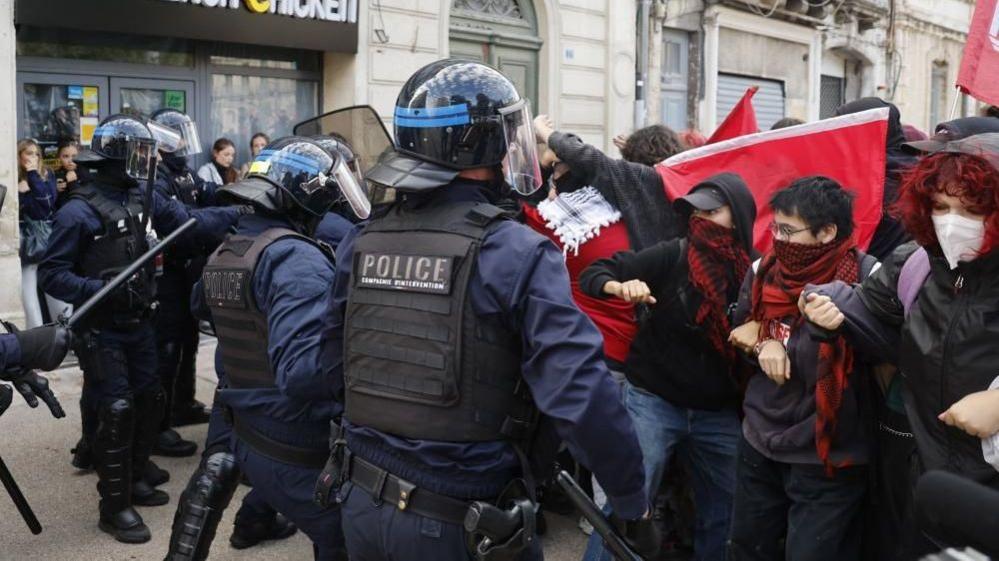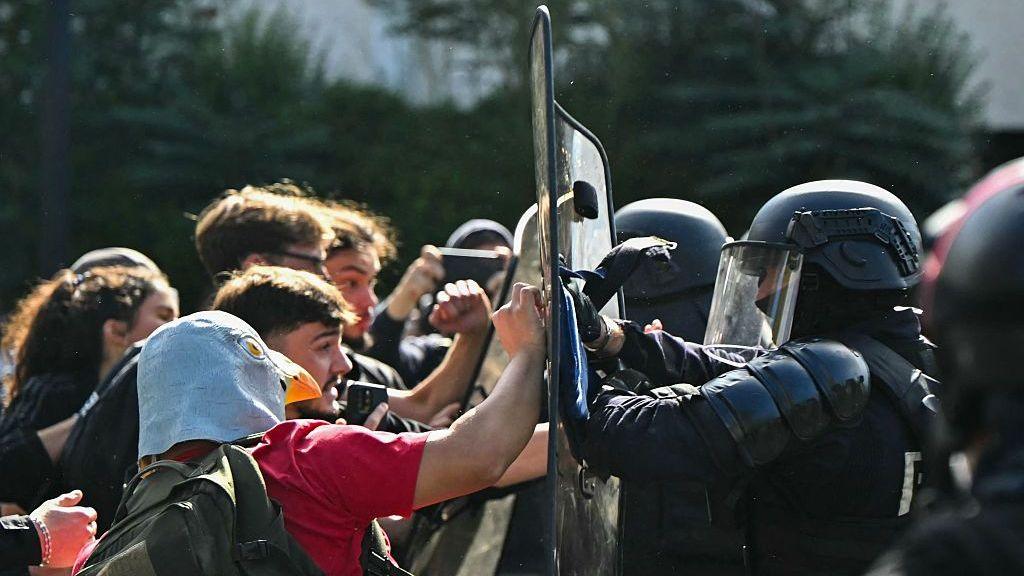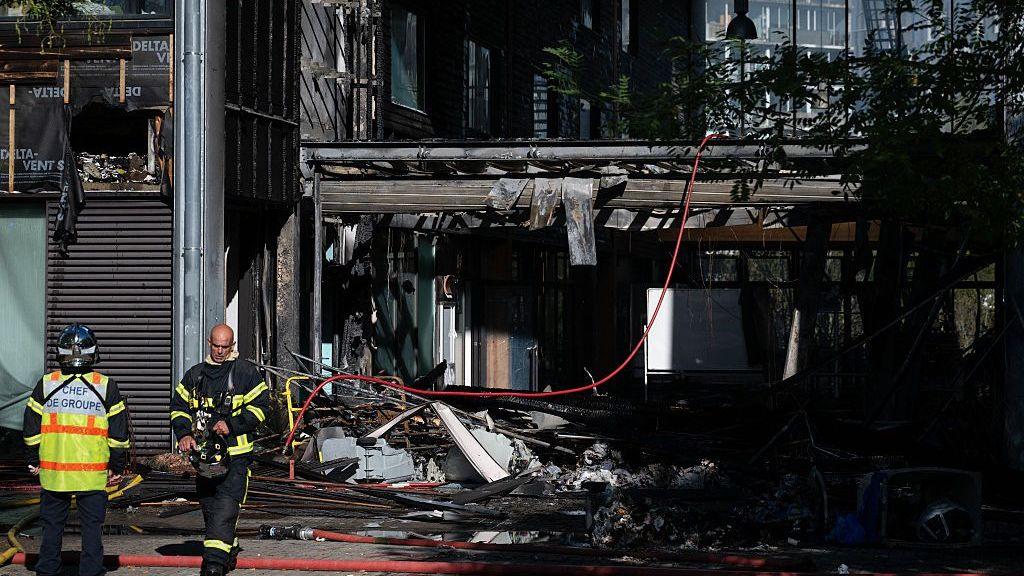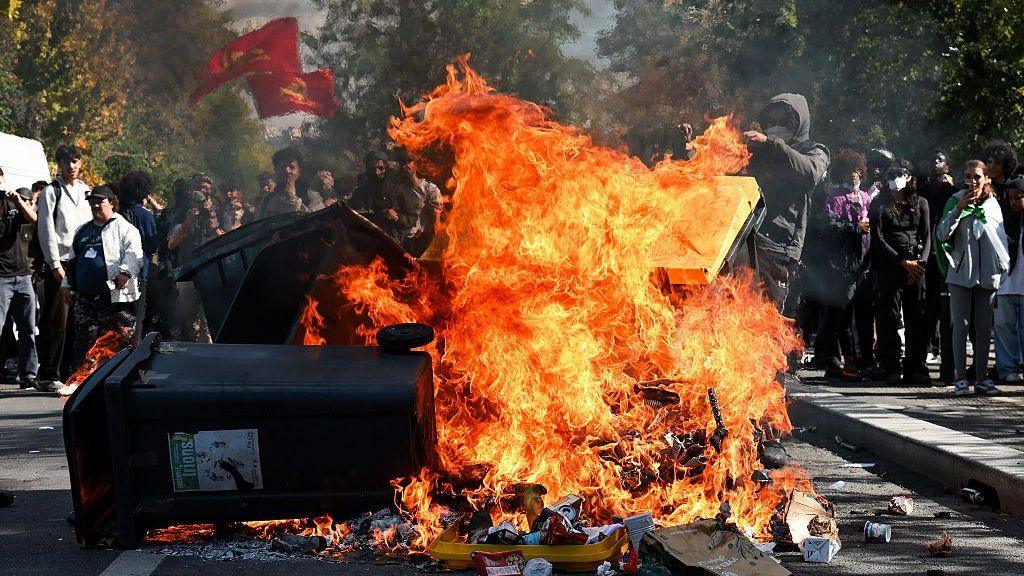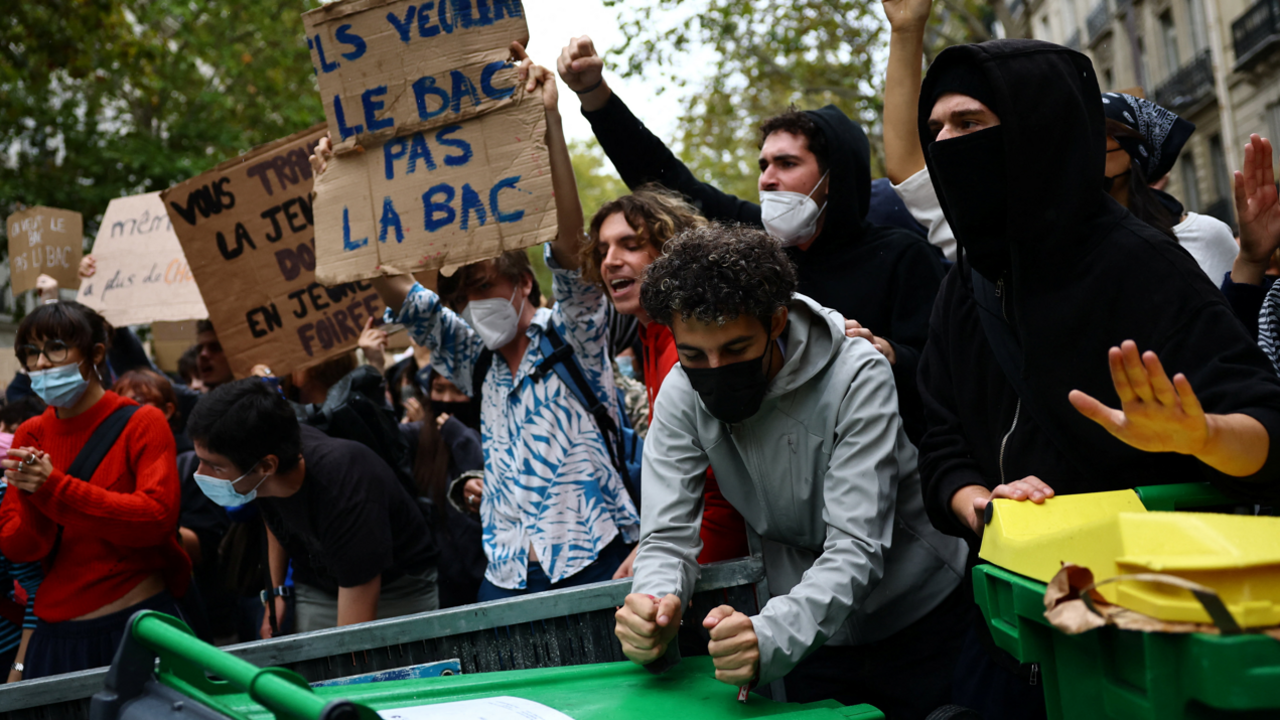
Since late September, students across France have occupied high schools and blocked access, demanding better funding and staffing.
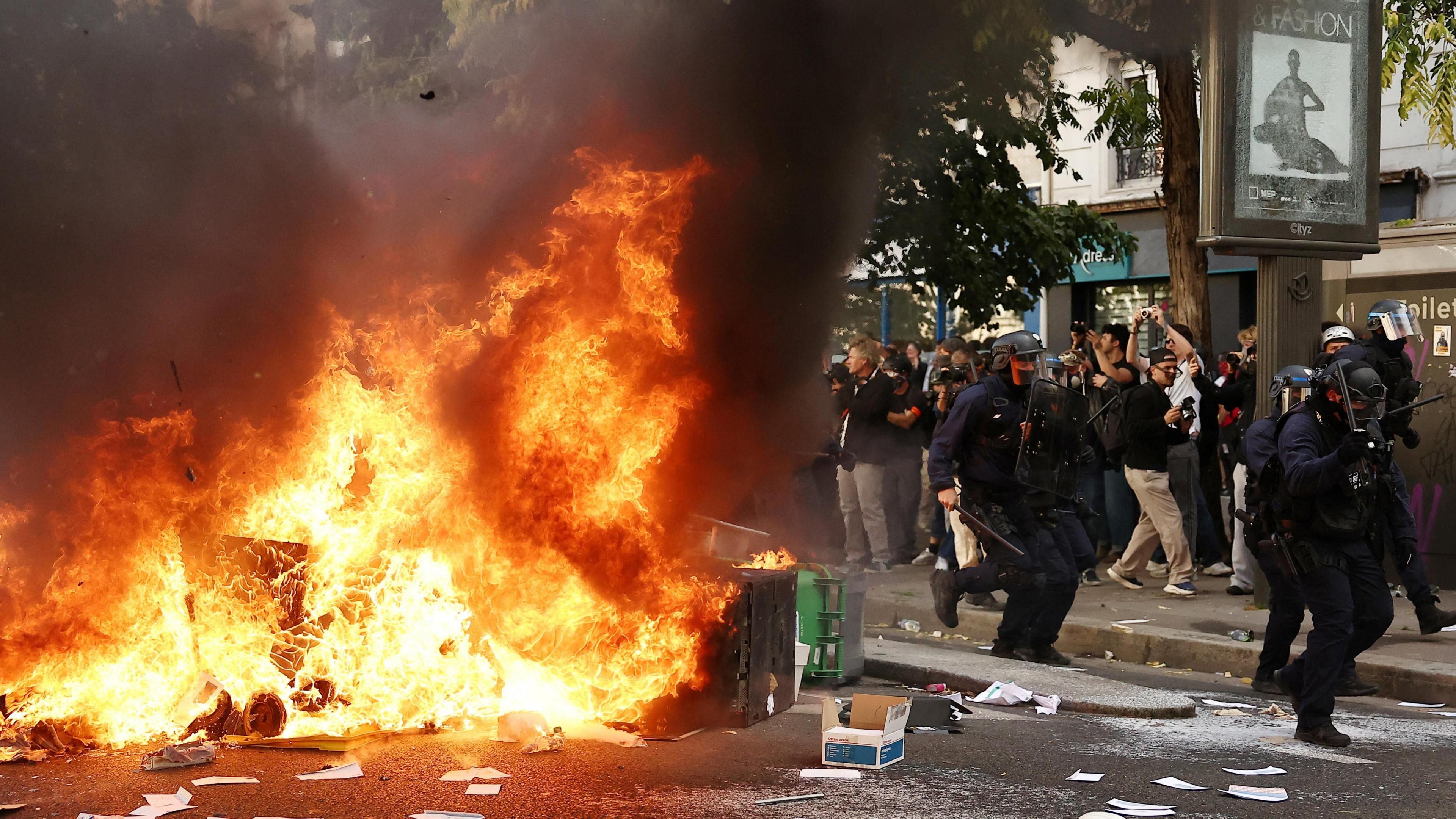
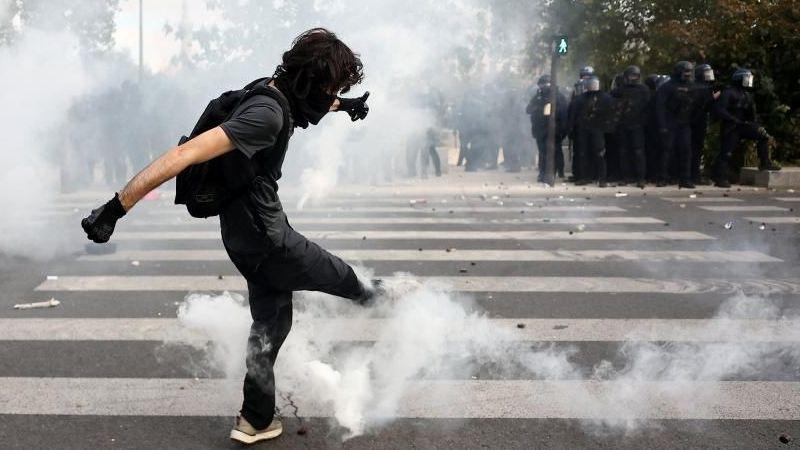
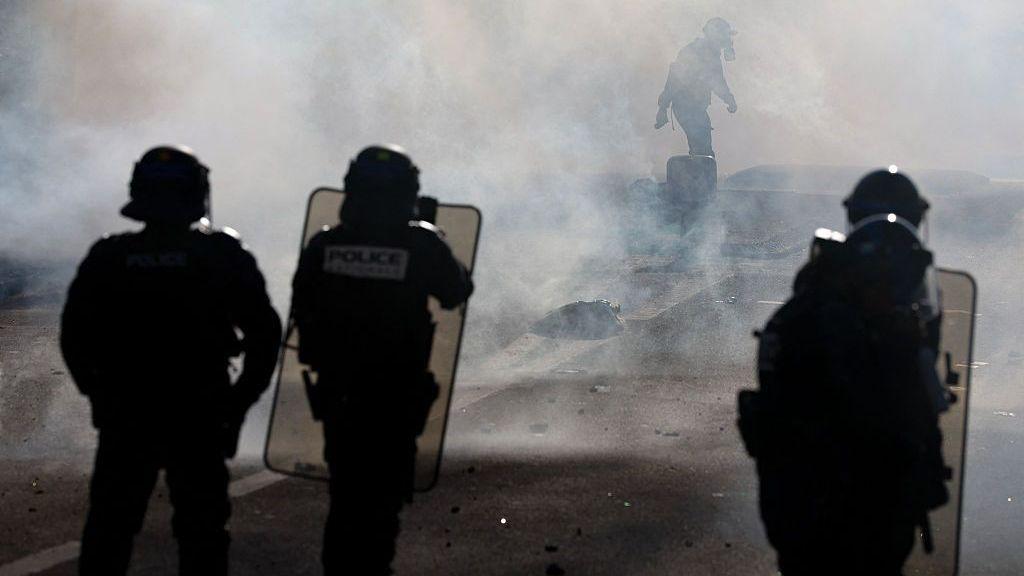
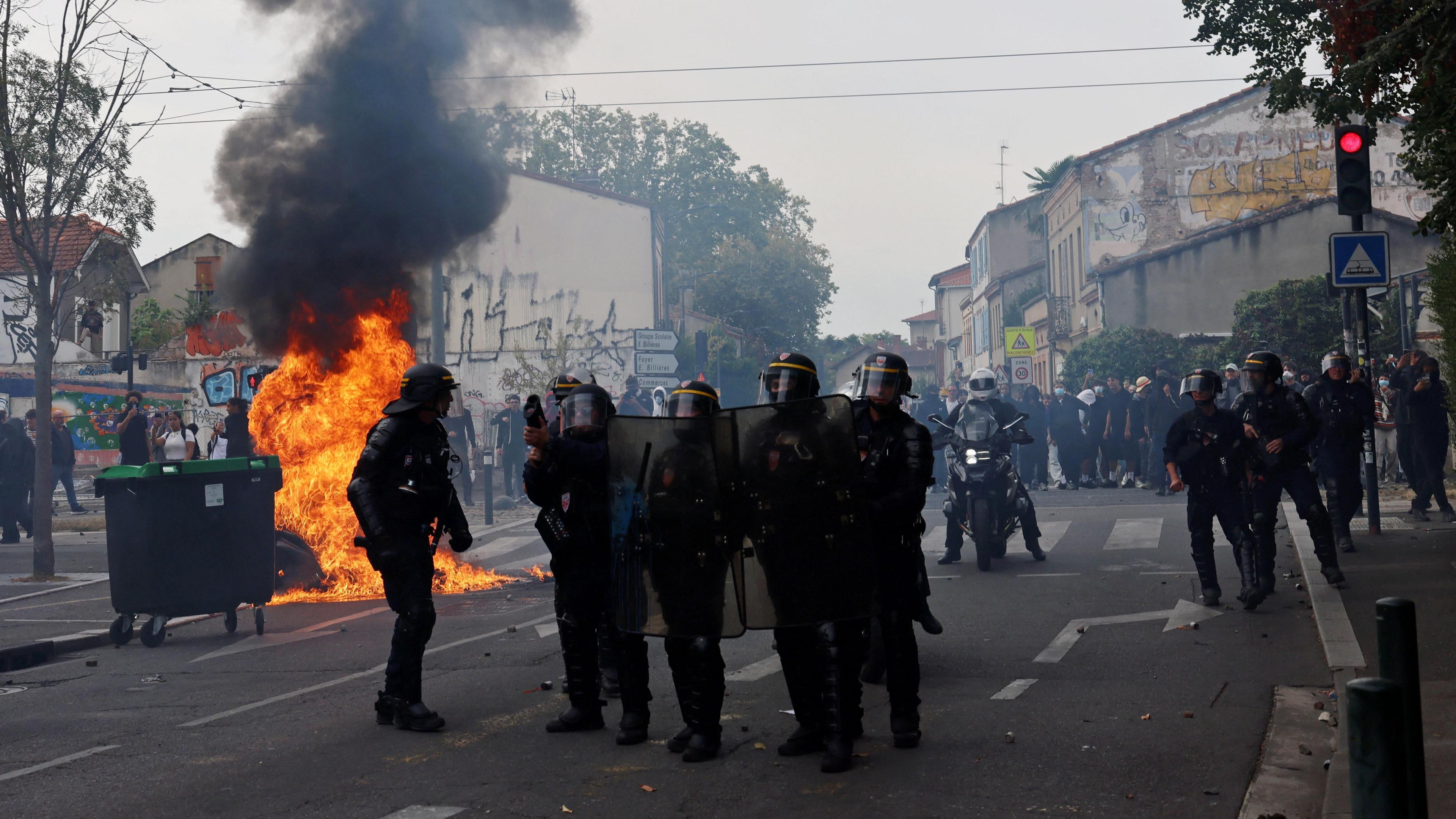
The protests have turned violent, injuring hundreds of students, teachers and police, and leading to thousands of arrests, many of them unknown troublemakers.
Key grievances include chronic teacher shortages and crumbling facilities in lycées, the 15‑ to 18‑year‑old education level.
Paris student Madalena said her teachers were absent for weeks and her school was “boiling hot” during recent heat waves.
Other complaints involve mobile‑phone bans and late‑evening school days that leave students without sleep or study time.
Parcoursup, the online portal for university placement, is also a sore point; many view it as opaque and stressful, especially as 80% of students pass the baccalauréat yet secure no guaranteed placement.
According to OECD data, France spends more per lycée student than the EU average, yet teacher shortages are not worse than in other nations; pay remains low.
The extended school day stems largely from long lunch breaks rather than an effort to cram more lessons; France’s holidays are not unusually short compared with other EU countries.
Historic protests in 1990, triggered by a school rape in Seine‑Saint‑Denis, and in 1998 forced the government to inject €1 billion into schools and hire 14,000 extra staff.
However, the present uprising is extraordinary in its size, geographic spread and violence, raising concerns that blockades and confrontations will intensify.
French students, accustomed to using the streets as a political arena, have a long tradition of influencing policy through direct action, a legacy that still shapes government responses.
Prime Minister Sébastien Lecornu stresses that security forces are not ordered to confront students, only to enforce the law, while the administration struggles with a fragile parliamentary majority and high public debt.
Facing rising borrowing costs and a 5.4% deficit, Lecornu’s government may find it difficult to allocate new spending for schools, which could deepen the dispute.
As the protests continue, the French government’s ability to resolve the crisis hinges on balancing the legitimate demands of students with the constraints of fiscal policy and political will.