In brief
The decline in migratory fish populations due to habitat loss, pollution, and overfishing has alarmed scientists, with a recent report highlighting a 81% drop in numbers. The UN has identified 30 species requiring urgent conservation measures, recognizing their vital role in the ecosystem and global livelihoods.
March 24, 2026
Fish species that undertake mammoth migrations through rivers, lakes, and ponds are facing a combined threat from dams, pollution, and overfishing that is obstructing their path to breeding grounds.
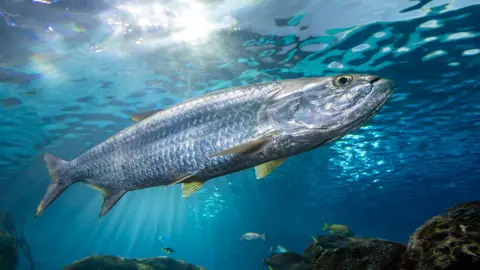
The recently published UN report has revealed that migratory fish populations have plummeted by an estimated 81% over the last half-century. This alarming decline encompasses more than 15,000 species assessed, which represent half of all fish species in existence.
Among the species highlighted for urgent conservation are the golden mahseer and the goonch catfish. These species have been prioritized for global conservation efforts due to their significant ecological and cultural roles.
Dr. Zeb Hogan, a leading author of the report, emphasized the crucial role migratory freshwater fish play in supporting global food systems, as they provide sustenance for hundreds of millions of people. He also noted the immense biodiversity of migratory fish requires immediate protective measures.
With the UN proposing to include 30 priority fish species in a global treaty aimed at the conservation of migratory species, collective efforts are needed to tackle the overwhelming threats to these fish populations, which cross borders during their migrations.
As barriers like dams fragment river systems, fish struggle to connect with their spawning habitats, a challenge that calls for coordinated action among nations.
Fishing practices, particularly overfishing, alongside habitat degradation from land use and industrial activities, are leading to ever-diminishing fish stocks. The International Union for Conservation of Nature (IUCN) emphasizes the need for these species to be monitored and supported through comprehensive agreements.
It is crucial that global efforts focus not only on well-known endangered species but also on lesser-known migratory fish which are equally vital to ecological health and human livelihoods. The upcoming annual meeting will serve as a significant platform for these conservation discussions.