The Disturbing Rise of Wildlife Trafficking: Giant Ants Fetching $220
In Kenya, the trade of giant African harvester ants has spiraled into a lucrative black market, with queen ants selling for up to $220. This burgeoning illegal trade poses serious risks to local ecosystems and biodiversity.
The Trade in Queen Ants
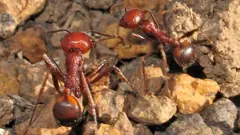
The moment swarms of giant African harvester ants take to the skies during the rainy season in Kenya signifies not just a natural phenomenon but the genesis of a disturbing wildlife trafficking trend. Specifically, the queen ants of this species, Messor cephalotes, are highly coveted, with their rarity on the black market inflating prices to around $220 each.
Located in the Rift Valley, Gilgil has emerged as a central point for these illicit activities, with individuals capturing queens during their mating flights. This peak season results in substantial profits for those engaged in the smuggling network that links local collectors to international buyers.
Impact on Ecosystems
The growing demand for these ants has raised alarms among conservationists. Each queen has the potential to establish a colony, significantly impacting local ecosystems when removed from their habitats. Conservationists warn that unsustainable harvesting practices could lead to the collapse of local colonies, disrupt ecological balances, and threaten biodiversity.
Biologist Dino Martins has highlighted the ant's role as a keystone species, involved in seed dispersal and creating healthier grassland ecosystems. If traffickers continue to exploit this species without proper regulation, the long-term effects could be catastrophic.
Government Response and Future Outlook
Despite international regulations meant to protect wildlife, the trafficking of ants currently lacks adequate monitoring. Scientists emphasize the need for stronger protection measures under treaties like CITES to ensure sustainable practices are put into place.
Interestingly, governmental frameworks are underway aimed at commercializing the wildlife economy, which includes the ant trade, as part of broader efforts to generate local revenue while promoting ecological sustainability. This dual approach to managing wildlife resources could pave the way for future ant farming initiatives that benefit local communities.
Conclusion
While the fascination with keeping ants as pets may seem benign, the implications of such trades are extensive and complex. The need to balance economic opportunities with ecological stewardship is critical as the search for greater market access continues to evolve in the unique context of Kenya's wildlife and local communities.