In brief
The carcass of a juvenile gray whale, discovered near Raymond, Washington, is believed to be linked to the declining population of gray whales due to reduced food availability in their natural habitats. NOAA Fisheries declared an unusual mortality event impacting these whales, which have experienced significant strandings since 2019. Efforts are underway to examine the whale and understand the factor contributing to this troubling trend.
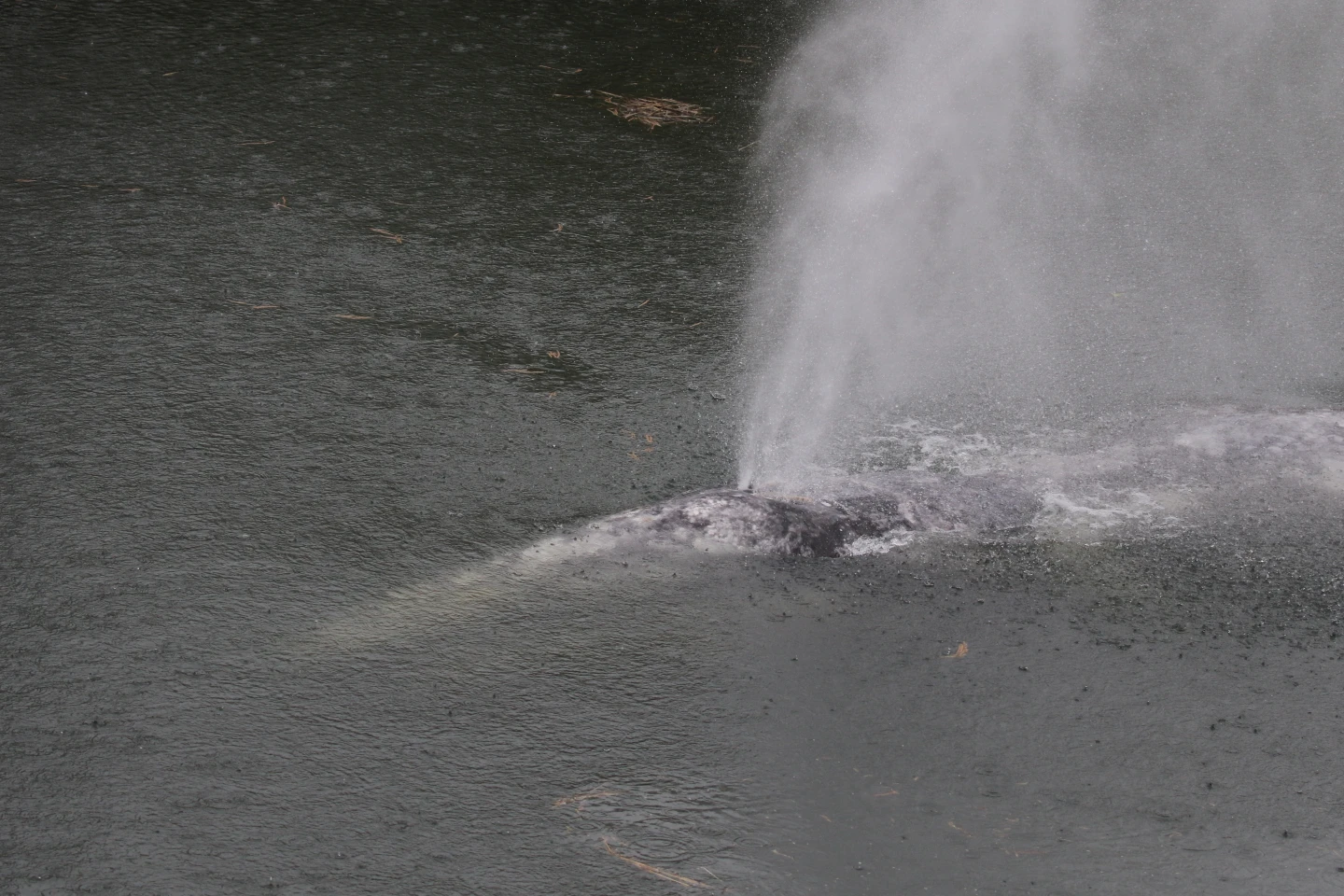
A juvenile gray whale that amazed Washington state residents after it swam 20 miles up a small river was found dead, with a marine mammal research group suspecting hunger may have driven the whale to new hunting grounds, amid a concerning decline in the species’ population.The whale was discovered on Saturday near Raymond, Washington, in the Willapa River. This river feeds into the ocean at Willapa Bay, where several gray whales are currently present on their 5,000-mile (8,000-kilometer) spring migration, moving from birthing grounds in Baja California, Mexico, to feeding grounds in Alaska.John Calambokidis, a research biologist with the Cascadia Research Collective, stated that since 2019, the population of gray whales in the eastern Pacific has faced significant challenges due to reduced food availability in northern Bering and Chukchi seas off Alaska’s coast. He highlighted that these whales are facing a major crisis, primarily stemming from their food sources in the Arctic.The National Oceanic and Atmospheric Administration Fisheries agency declared an unusual mortality event for eastern gray whales from late 2018 to late 2023, comprising 690 gray whale strandings during that period, stretching from Alaska to Mexico. NOAA Fisheries investigators attributed the preliminary causes of these events to localized ecosystem changes in the whales’ sub-Arctic and Arctic feeding areas, leading to malnutrition, decreased birth rates, and increased mortality.Officials previously thought the population was rebounding, but the 2025 count indicated a continuing decline, estimating approximately 13,000 gray whales, the lowest since the 1970s. Many of these whales appear emaciated, raising alarm among researchers.Calambokidis explained that the northward migration is often the most challenging period for gray whales, who do not eat during this extensive journey and must rely on nutritional reserves. This dire situation often results in desperate searches for new feeding areas, setting the context for the current situation of the whale that swam into the Willapa River.The whale, while thin, was behaving normally without apparent injuries, according to a Facebook post by the Cascadia Research Collective. Residents flocked to the river, sharing numerous photos and videos of the colossal creature as it surfaced for air.As researchers attempted to track the whale, they noted it had moved upstream where navigation was difficult. Plans for a thorough examination were initiated, with further investigations expected in the coming days.