In brief
The National Oceanic and Atmospheric Administration (NOAA) is set to propose changes to vessel speed regulations intended to protect the endangered North Atlantic right whale, sparking backlash from environmental groups. Recent whale deaths underscore the urgency of maintaining and strengthening protections against ship collisions, which are a leading cause of fatality for this species.
PORTLAND, Maine (AP) — The U.S.'s ocean regulator plans to make industry-friendly changes to a longstanding rule designed to protect vanishing whales, prompting criticism from environmental groups who cite the recent death of an endangered whale.
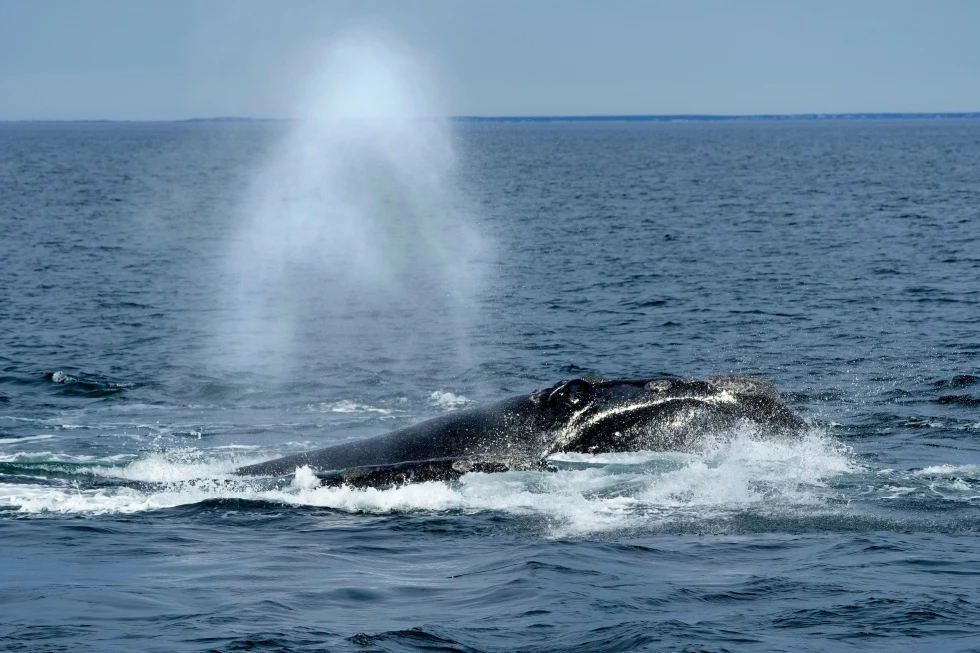
The rules safeguard the North Atlantic right whale, which numbers less than 400 and lives off the East Coast. These giant mammals are protected by a vessel speed rule that mandates large ships to reduce speed at certain times to avert collisions, a leading cause of death for the whales.
NOAA stated in a Thursday release that it will soon propose new regulations to “modernize” the protections. This proposal is characterized as a “deregulatory-focused action” aimed at “reducing unnecessary regulatory and economic burdens while ensuring responsible conservation practices for endangered North Atlantic right whales.”
However, environmental advocates are alarmed. They noted the recent confirmation of the death of a 3-year-old female right whale off Virginia. The cause of death remains undetermined, though it raises questions about the effectiveness of current protective measures.
Jane Davenport, a conservation attorney with Defenders of Wildlife, stated, “Another female right whale — the future of this species — has lost her life. We urgently need more right whale protections, not fewer. The Trump administration’s apparent determination to weaken the vessel speed rule could not come at a worse time.”
The right whale migrates from calving grounds off Florida and Georgia to feeding grounds off New England and Canada. This journey exposes them to threats from ship collisions and entanglement in fishing gear. Historically, their population was decimated during the commercial whaling era, thus federal protections have been in place for decades.
While the Biden administration had intentions to expand slow zones and include more types of boats in speed restrictions, the proposal was withdrawn just before its finalization due to the complexities surrounding public feedback.
Shipping industries have resisted vessel speed rules, claiming they are outdated and advocating for tech-based solutions instead.