In brief
In Stella, Wisconsin, a routine well test revealed dangerously high levels of PFAS, prompting concerns about health and property values among residents. As more wells are tested, the extent of contamination is becoming clearer, revealing challenges for well owners who lack government assistance. The situation has ignited lawsuits against manufacturers and highlighted the regulatory gaps in private well testing for harmful chemicals.
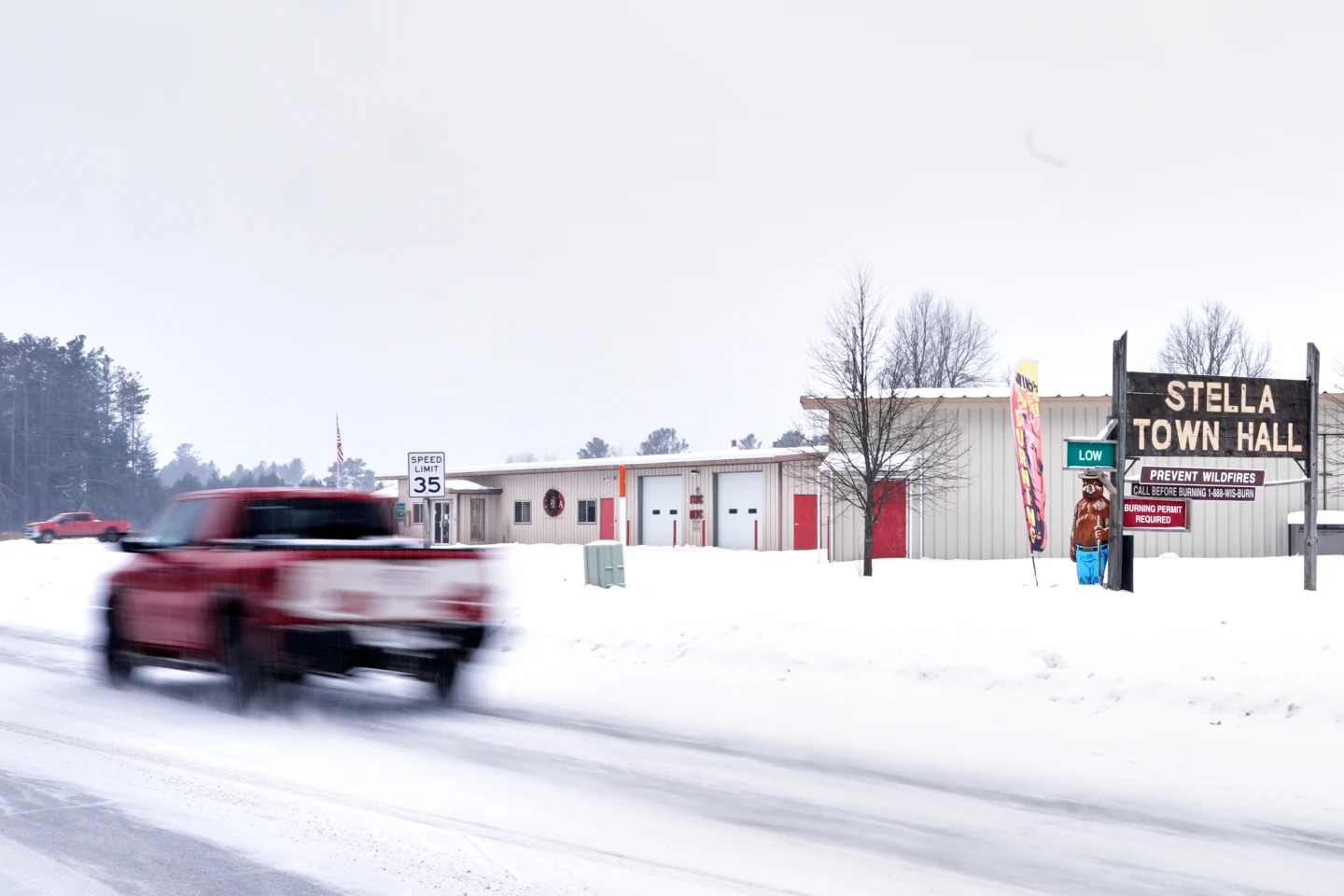
STELLA, Wis. (PulseWire) — Kristen Hanneman made a small decision in 2022 that would upend life for her entire town. State scientists were checking private drinking water wells across Wisconsin for a family of harmful chemicals known as PFAS, sending testing offers to residents. Hanneman accepted without much thought.
Months later, a call from a toxicologist advised her to cease drinking from her well—concentration levels were thousands of times higher than federal limits. The contamination was not isolated to her well; it spread throughout the community, endangering fish and wildlife.
Many residents, long-time neighbors, face grim property values as contamination affects their homes' desirability. “Had I just thrown that survey in the garbage, would any of this be where it is today?” lamented Hanneman.
The nearby Rhinelander paper mill, which used PFAS in manufacturing, is suspected of contaminating the local water supply after dumping sludge with unknown chemical compositions across agricultural lands.
In the wake of continuous health concerns, lawsuits are mounting against the paper mill, with some residents experiencing health issues believed to be linked to PFAS exposure.
Despite the current environmental crisis, well owners lack essential testing resources. While some states are proactive with PFAS testing, many others do little to help well owners grapple with the contaminated supplies. For now, residents in Stella manage their reliance on potentially dangerous wells, often left to pay for their testing and treatment options.
The Environmental Protection Agency (EPA) has outlined recommendations and funding for public utilities, but such protections do not extend to the estimated 40 million Americans who rely on private wells, leaving many vulnerable.
The threat posed by PFAS—dubbed “forever chemicals”—is escalating, especially as the public becomes aware of the scope of contamination stemming from industrial practices. Calls for research, testing, and clean-up are growing, but they come with frustrating obstacles and little immediate support for those affected.