In brief
In a tragic event, 18 wolves have died in a national park in Italy, with authorities suspecting poisoning as the cause. Initial investigations found traces of suspected poisoned bait, prompting a collaboration with local prosecutors. Investigations reveal that pesticides were involved, raising alarms about wildlife safety and the impact on the ecosystem. Environmental groups are calling for urgent action to protect both wolves and other endangered species in the region.
Poisoning is suspected in the deaths of 18 wolves in Italian national park
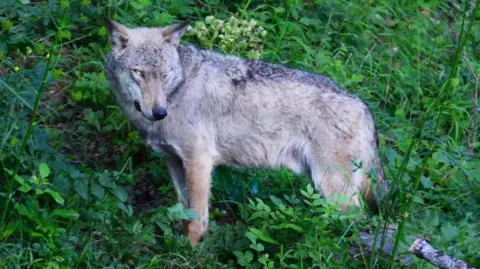
A suspected poisoning outbreak in Abruzzo, Lazio, and Molise National Park has led to the deaths of 18 wolves over a span of a few days. The park authorities reported the initial finding of 10 dead wolves last week, with eight more discovered as patrols intensified.
Investigations revealed traces of suspected poisoned bait in an area where some wolves had been found deceased, raising strong suspicions of further poisoning incidents. The authority has committed to collaborating with local public prosecutors to establish the cause of death.
Tests conducted by the local animal health research institute confirmed the presence of agricultural pesticides used in poisoned baits. Environment Minister Gilberto Pichetto Fratin condemned the killings as a severe affront to wildlife protection efforts, emphasizing the crucial role wolves play in maintaining ecological balance.
Italy’s Institute for Environmental Protection and Research (Ispra) pointed out that these killings undermine years of efforts in wolf conservation and put many other species, including domestic pets, at risk due to the use of poisoned bait.
The wolf population in Italy, stable at about 3,300 as per a 2020-21 census, faces threats from such incidents. Poisoning risks extend to critically endangered species, such as the Marsican brown bear, of which only about 50 individuals remain.