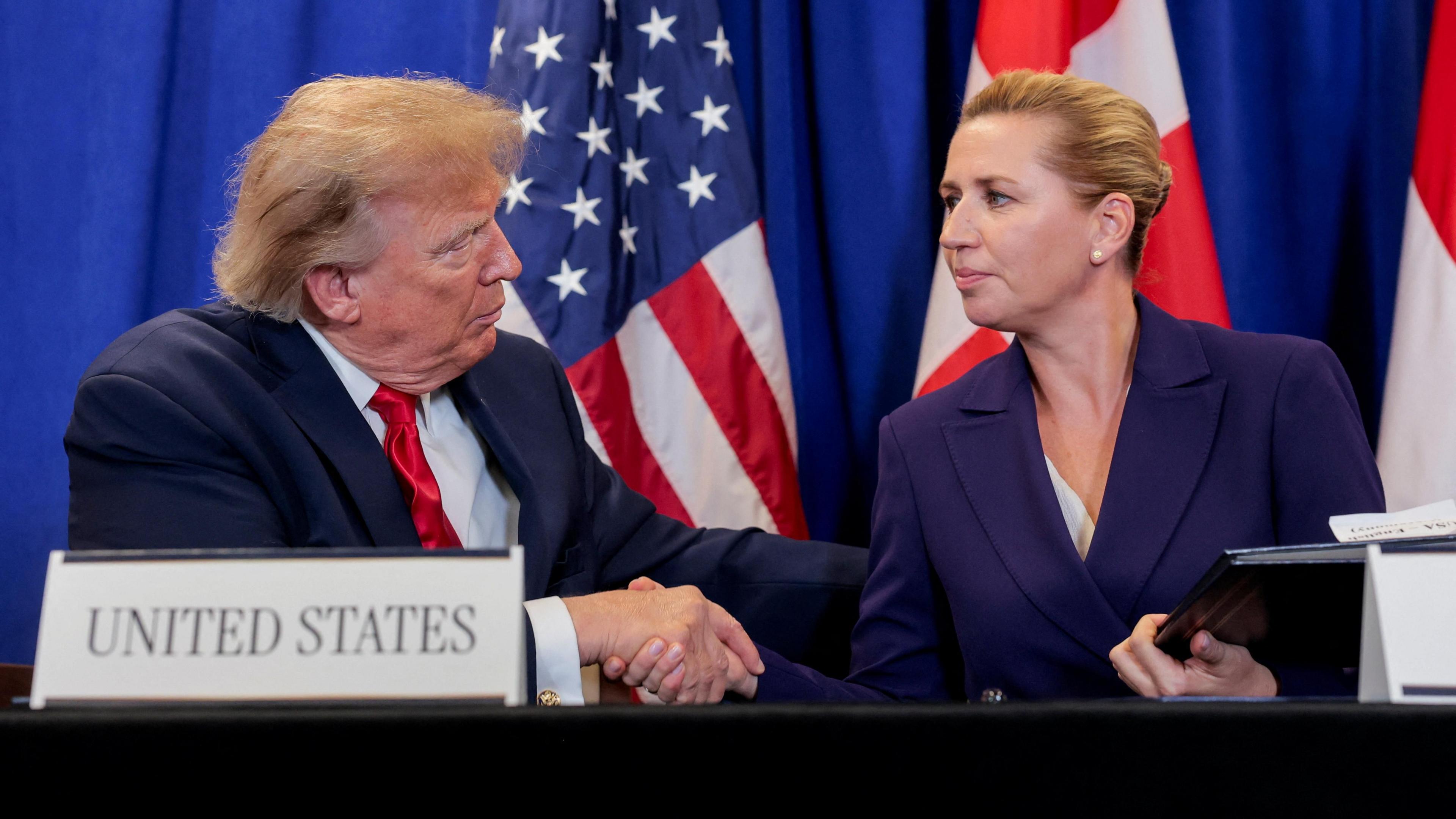
Whoever wins AI, wins! – that’s the rallying call Trump used to describe the US’s fierce push toward AI leadership, a sentiment echoed by many in Washington’s tech scene. The words were put in context during his meeting with President Xi Jinping in Beijing’s Zhongnanhai Garden on 15 May 2026, a day that has captured global attention.
While Trump’s remarks were blunt, Xi’s statements were subtle but equally revealing. According to Rebecca Arcesati of the Mercator Institute for China Studies, China sees artificial intelligence as a decisive power‑maximiser, with an ambition to lead the world’s economies by 2030.
Both leaders representing the world’s greatest AI markets convened just as a new AI model from China’s DeepSeek briefly matched the top U.S. model in February 2025 – a quiet but significant step, according to Stanford researchers.
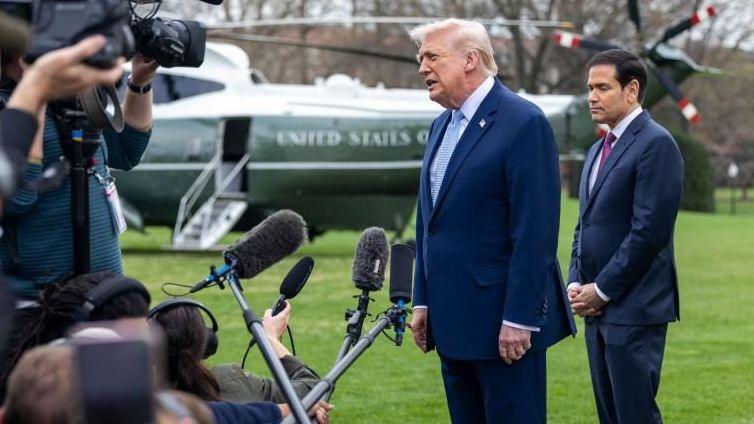
In a volley of quotes, Trump dismissed the risks of AI as a "hoax", insisting that any regulatory barriers would only aid China in catching up. He characterized the United States as "the first to get the advantage over China by a lot", hinting that a coordinated slowdown could be a mistake.
China’s approach offers a different trajectory. The country’s policy mesh emphasizes open‑weight models – downloadable, tweakable and cheap – allowing them to cast a wider net across public and private sectors. Chinese electric‑robot makers, for example, employ AI to manage multi‑million‑unit production lines at lower power costs.
Safety philosophies diverge sharply. Washington promotes minimal oversight in favour of keeping its laboratories ahead, while Beijing has introduced advanced data‑usage guidelines that, while not law‑enforced, shape developer expectations and keep technology under human control.
Both superpowers, however, have agreed on the need to discuss AI incidents. Ahead of the summit, US Treasury Secretary Scott Bessent and Chinese Vice Premier He Lifeng met to draft a notification protocol for serious AI mishaps.
The outcome of the Summit remains uncertain. Analysts predict that while the two nations will cooperate on specific safe‑guard mechanisms, the deep ideological divide on the nature of AI risks may keep a robust global framework elusive.