New Orange‑Lipped Monkey Unearthed in Central Congo Forests
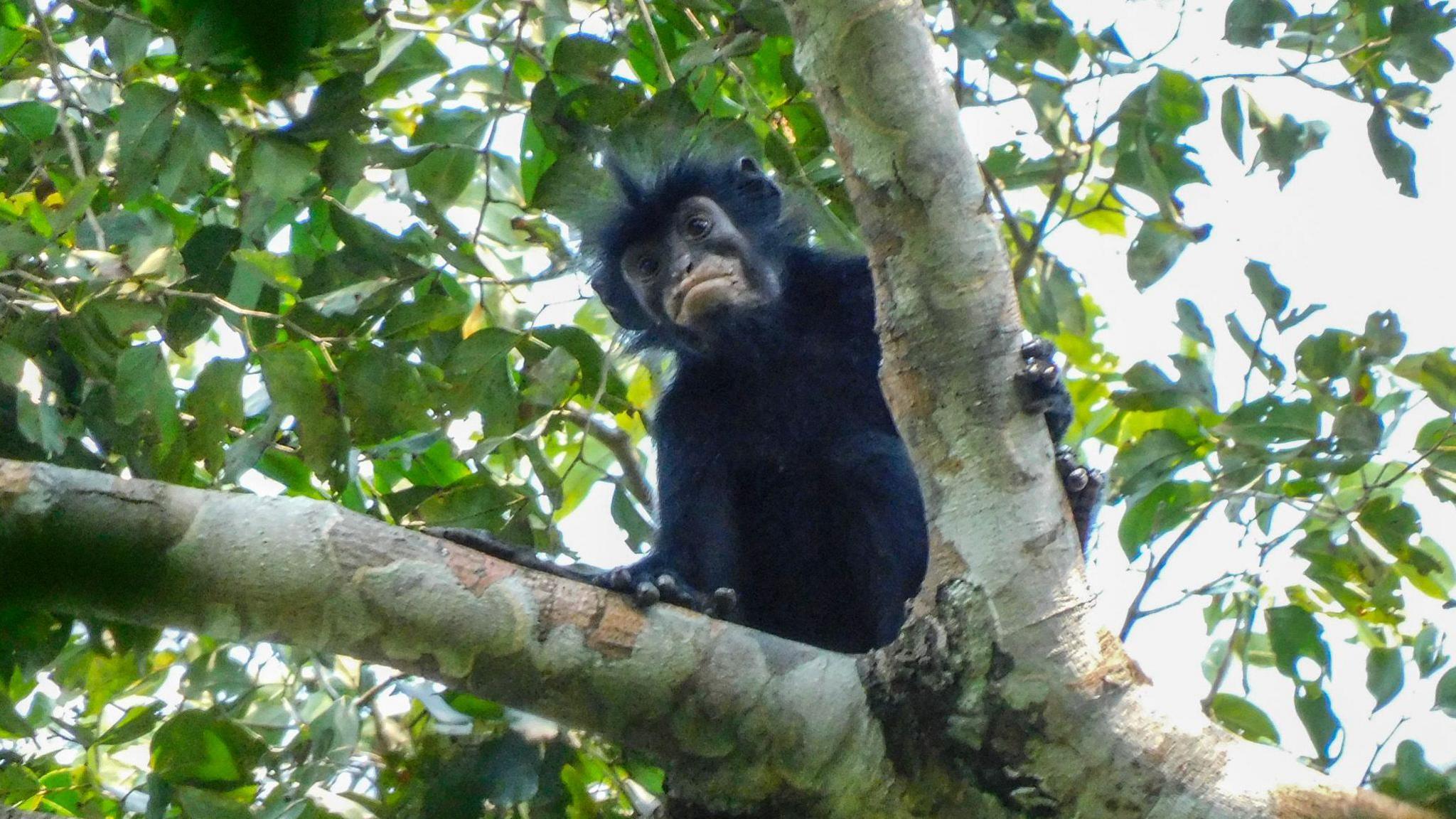
In 2026 scientists confirmed a new primate species in the dense tropical forests of Lomami National Park, Democratic Republic of Congo. This black‑furred animal, locally called Likweli, is notable for its bright pinkish‑orange lips and a deep, resonant roar. Last year’s discovery added only the fifth African monkey species to science’s 75‑year catalog.
Since 2008, conservationists in the area reported sightings of the shy, canopy‑dwelling monkey, but only one blurry photo survived. A decade later, an interdisciplinary team—comprising researchers from the DRC, the United States and Germany—took to the rainforest armed with audio recorders, high‑resolution cameras and DNA kits. Their work confirmed that the Likweli is a genetically distinct lineage, meriting its own species status. The team officially named the primate Colobus congoensis to honour the rich natural heritage of the country.
"It is an amazing feeling," said Junior Amboko, a Florida Atlantic University PhD student and lead researcher. His team spent years interviewing villagers in 52 nearby communities and only eight reported having seen the monkeys, highlighting their secretive nature. The research, published in PLoS ONE, also documented the animals’ haunting roar and their reliance on a high‑canopy diet that helps disperse seeds and aid forest regeneration.
Colobus monkeys lack thumbs, making them an important ecological niche in African forests. Prof. Kate Detwiler of Florida Atlantic University speculates that the bold, pink‑or‑orange facial coloration may serve as a visual signal to other animals—perhaps a mating cue or a way to recognize kin. The discovery raises urgent conservation questions, especially as some locals hunt Likweli for meat. Official species status could trigger protection under law and help preserve the fragile ecosystems these primates thrive in.
The research team is preparing a detailed field survey to estimate population size and behaviour patterns. They also plan to use the newfound data to inform policy and community outreach, aiming to balance ecological preservation with local livelihoods.