In brief
Pranab Doley, a 40‑year‑old activist from Assam, was denied release after a court granted him bail to protest a proposed five‑star hotel near Kaziranga National Park. The Assam government invoked the National Security Act, citing a string of criminal cases against Doley. Critics accuse authorities of using draconian law to suppress dissent over a development that threatens local communities and wildlife. Doley’s arrest highlights tensions between conservation, indigenous rights, and economic interests in the region.
Pranab Doley jailed after taking on a luxury hotel plan
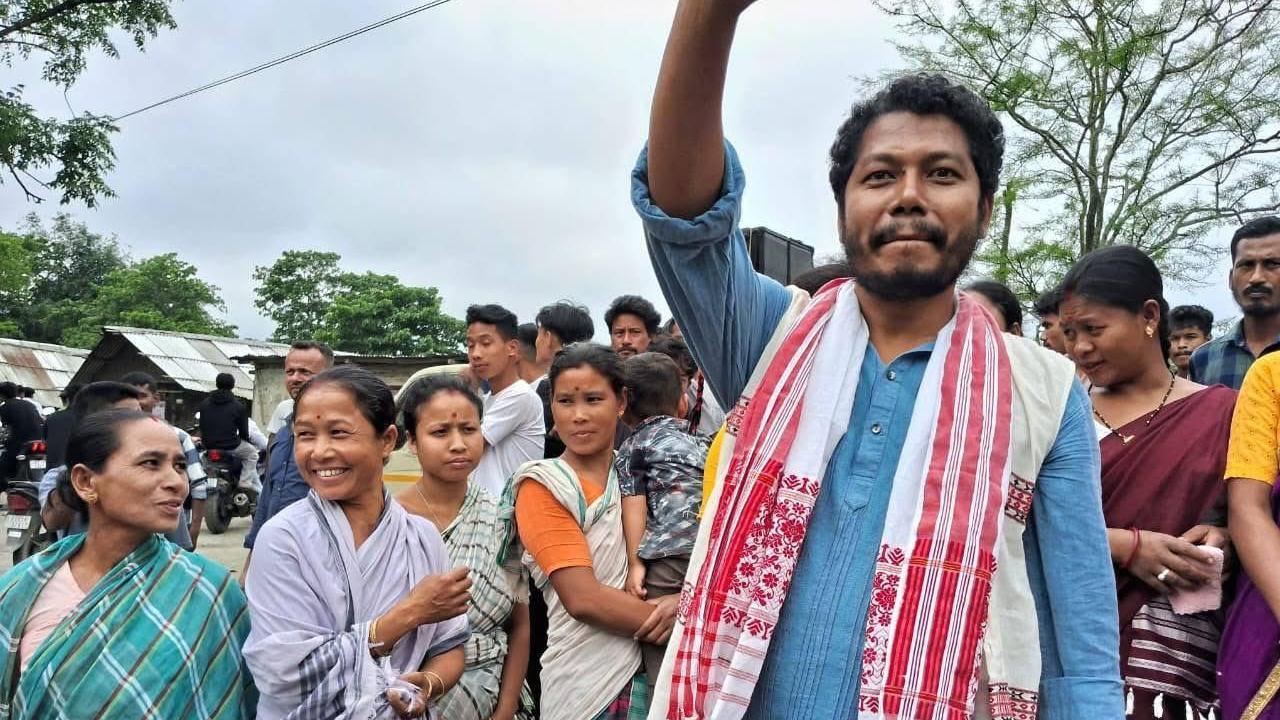
On 30 July, the day Pranab Doley was set to be released from jail, his father and lawyer arrived at the prison in Assam to take him home. Doley, 40, had been arrested weeks earlier for joining a protest against a proposed luxury hotel close to Kaziranga National Park.
The court had granted Doley and four other protesters bail on 29 July, but the Assam government invoked the National Security Act – a law that allows detaining people without trial – and denied his release. The order cites 13 criminal cases filed against him since 2017, alleging unlawful assembly, intimidation, and foreign money transactions.
Critics argue the government is using a draconian law to stifle dissent over a development that could displace local families and threaten wildlife. Doley’s lawyer said only two cases were pending and that most older cases had been resolved.
The hotel, a five‑star resort backed by Juniper Hotels, Saraf Group and Hyatt, is planned to cover 10 acres of land that local families claim they inherited. Some families say authorities collected land revenue from them for decades, insisting the land is theirs.
Deputy Commissioner Biswajit Phukan explained that the government owns the land, but has supplied financial assistance and job skills training to eligible residents after verification. He declined to comment on Doley’s detention, citing ongoing investigations.
Doley’s activism dates back to challenging extrajudicial killings of poachers and expanding to fights against evictions, land acquisition and compensation. He has also spoken at the 2023 UN Forum on Business and Human Rights in Geneva about protecting indigenous communities.
A judge who granted bail found that video footage did not show Doley inciting violence or attacking officers in the June protest. He was seen speaking with officials and seeking dialogue, and the court noted that “true public order is achieved by listening to the affected.”
For now, Doley remains in jail, awaiting further court decisions. His legal team insists he is “waiting for justice.”
The dispute over the hotel site reflects a deeper issue of who holds land rights around Kaziranga, a UNESCO World Heritage Site that shelters the world’s largest population of one‑horned rhinos, elephants and tigers. As the Brahmaputra river shifts its banks, families frequently lose cultivated fields, complicating claims of ancestral ownership.
The incident underscores the clash between development ambitions and conservation, and highlights the need for inclusive decision‑making that respects both ecological and community concerns.