In brief
Serbian and international conservationists rescued the critically endangered eastern imperial eagle Feliks from poachers in Syria after months in captivity. The bird was flown home on a military transport plane, then evaluated and cared for at the Palic Zoo before release into the wild. Serbian peacekeepers escorted the bird and monitored its health during the final recovery period. Conservation groups now hope the eagle will thrive and contribute to a growing Serbian population, which has increased from one pair to 29 pairs. The incident shines a spotlight on the ongoing threat of wildlife trafficking across the Middle East.
Feliks the eagle is home: an international rescue mission ends in Serbia
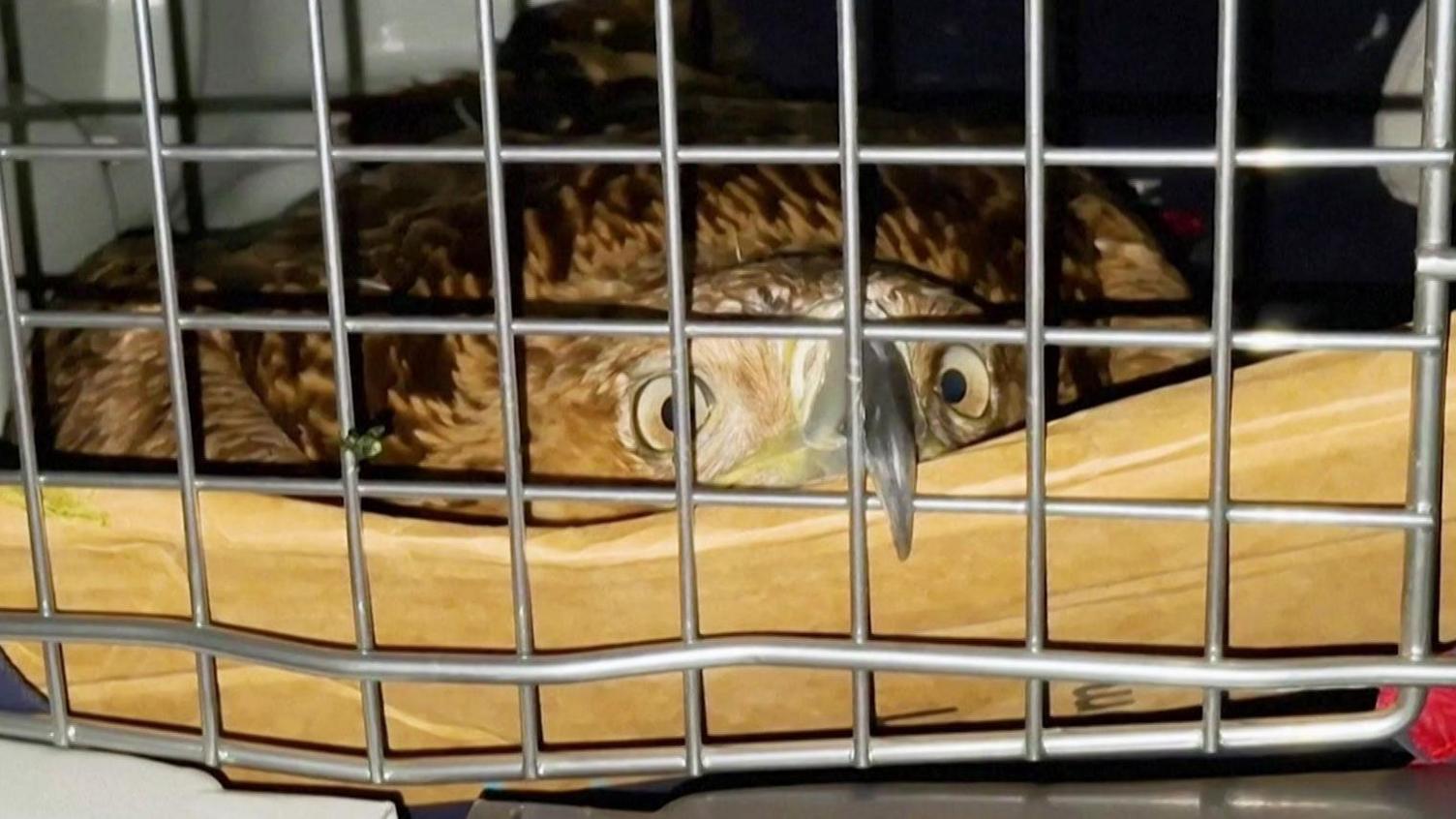
A critically endangered eastern imperial eagle, known locally as Feliks, was once raided from its nest in Syria by poachers. The bird was secretly sold and eventually held in captivity for a ransom that Serbian conservationists refused to pay. The refusal helped halt a trafficking chain that threatened the survival of the species.
After a negotiated release, Feliks was taken to a wildlife rehabilitation centre in Beirut, Lebanon, where he stayed for more than six months. Veterinarians and trainers monitored his health, re‑introducing him to natural behaviours before the next step of the rescue plan.
In late June, Serbian peacekeepers returning from Lebanon escorted the bird onto a military transport plane that flew to the Palic Zoo. Personnel at the zoo described Feliks as “exhausted but eager” upon arrival, a testament to the stress of his captivity and long journey across borders.
After a month of close monitoring and veterinary care, the eagle was released back into the wild on Thursday. The site, chosen for its suitable habitat and low human interference, is believed to be within the bird’s natural range. Conservationists have expressed optimism that Feliks will recover fully, survive the region’s challenges, and potentially mate with local populations, thereby strengthening genetic diversity.
The rescue highlights the persistent issue of wildlife trafficking across the Middle East. Traffickers exploited a blind spot in regional law enforcement and short supply of legal trade routes. By refusing ransom and making the transaction public, Serbian authorities set an example for anti‑trafficking efforts—illustrating that success can be achieved without financial compromise.
Officials anticipate long‑term monitoring of Feliks with satellite tracking to assess relocation success. The Balkan region has seen a positive trend: a surge from a single pair of eastern imperial eagles to 29 pairs in Serbia in 2025. Successful reintroductions like Feliks’ are key contributors to this upward trend.
What’s Next?
The release will be followed by a week‑long observation camp. Public outreach will help spread awareness about the importance of wildlife stewardship. The case serves as a reminder that the intersection of diplomatic cooperation, military logistics, and conservation science can overcome the dark side of wildlife trade.