In brief
Australia ranks among the world’s extinction capitals, with the numbat as a rare symbol of redemption. In Dryandra Woodland researchers drive weekly drives to record numbers, using GPS and math to gauge population health. Despite falling from the IUCN red list, the numbat’s steep comeback highlights the power of community science. Yet far‑reaching threats—feral predators, habitat loss, climate change—remain urgent. The story underscores a warning: conservation successes are fragile and demand more political will and funding.
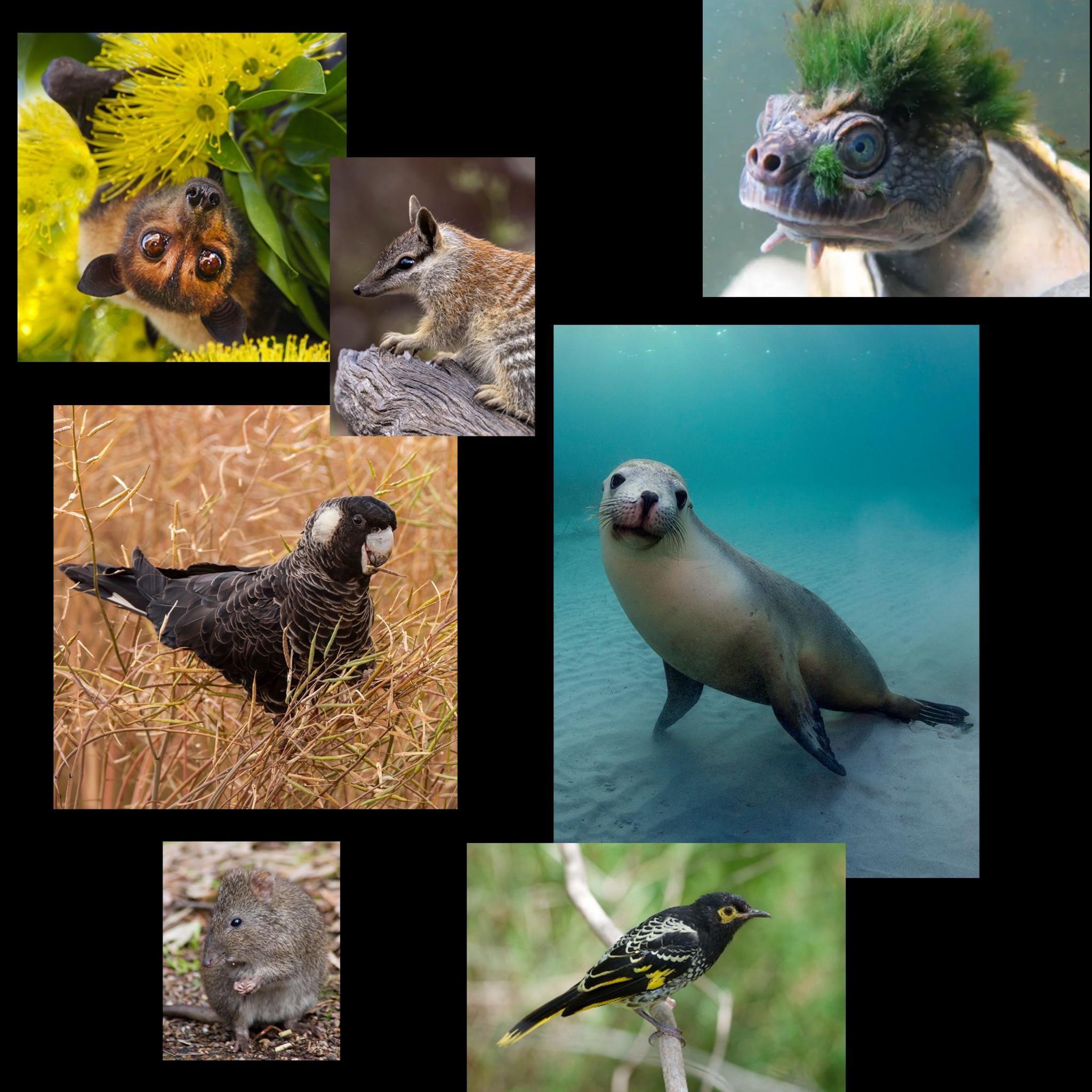
Australia is famously a biodiversity hotspot, but it now stands as one of the world’s extinction capitals, losing roughly four species every decade. Amid that grim backdrop, the numbat—a small marsupial once widespread in the southern half of the continent—has emerged as a beacon of hope. In Dryandra Woodland, a patch of protected bushland in Western Australia, conservationists drive a daily circuit every spring to spot, record and map every numbat they find.
The team logs GPS coordinates, notes distance to the nearest road and applies a complex formula to estimate population density. These data are then merged with long‑term population studies and feeding the calculations that keep the species’ status up‑to‑date. Last year, after years of hard‑won gains, the numbat was removed from the international endangered species list and re‑classified as near‑threatened.
Yet even as the numbat’s numbers have ballooned ten‑fold in Dryandra—from fewer than fifty to around three thousand nationwide— the same wilderness faces hostile pest species such as feral cats, foxes, and invasive weeds. Habitat clearance for mining, agriculture and timber has further fragmented the landscapes every species depend on. Climate change, too, has taken its toll: extreme heat has forced flying foxes out of their trees while bushfires released an estimated three billion animals.
Despite these challenges, volunteers and scientists have kept the numbat alive. Using volunteer spotters in a pickup truck and meticulous fieldwork, researchers have begun releasing captive‑raised individuals into the wild to boost genetic diversity and to create new populations. In the latest survey, eight numbats—five adults, two juveniles and a birth‑pair—were sighted surrounding a hollow log, a small victory amid a long battle.
The numbat’s recovery story is not just a win for one species; it illustrates a key principle for all threatened fauna in Australia—restoration, continual monitoring and political backing are essential. At a time when the government is urged to protect biodiversity under a pledge to halt the loss by 2030, experts note the imbalance between conservation spending and subsidies that harm ecosystems. The contrast is stark: for every dollar that goes into preserving natural habitats, the government pours approximately A$26 into activities that destroy them.
Policymakers face intense pressure to strengthen enforcement mechanisms and national environmental standards. Without decisive action, the fragile gains of the numbat could reverse, mirroring the fate of the woylie, another species that slipped from the threatened list only to reemerge in dire condition a decade later. The continued journey to protect Australia’s species demands both more funding and greater political will, else the continent's biodiversity will slide into a true extinction event.