In brief
A 50‑year‑old Thai national was apprehended for attempting to smuggle fifty endangered parrot eggs in a homemade incubator bag at Johannesburg's OR Tambo Airport. The Department of Forestry, Fisheries and the Environment and the Green Scorpions seized the eggs, and a majority have now hatched with intense care at the National Zoological Garden in Pretoria. Minister David Maynier praised the joint operation, highlighting the growing sophistication of trans‑national wildlife trafficking and the need for coordinated law‑enforcement efforts. The case adds to recent busts of Thai nationals hauling large numbers of parrot eggs, underscoring South Africa’s crucial role in protecting biodiversity.
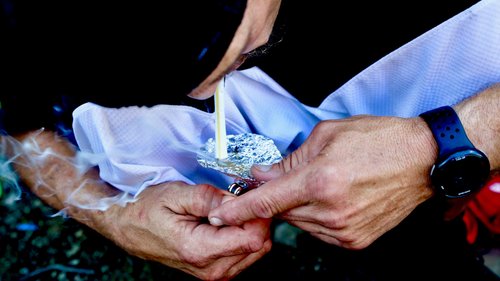
Fifty eggs suspected to belong to endangered parrots were intercepted at Johannesburg's OR Tambo International Airport last Thursday after a 50‑year‑old Thai national was arrested for attempting to smuggle them in a homemade incubator bag. A joint operation by the Department of Forestry, Fisheries and the Environment, the Green Scorpions and several police units seized the eggs and arrested the suspect.
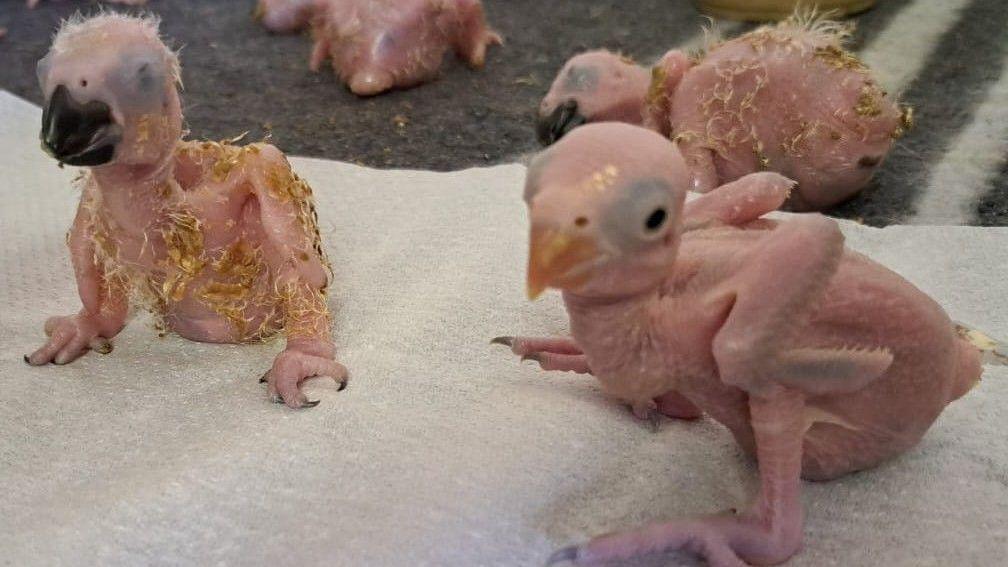
More than 40 of the eggs have already hatched, and the chicks are receiving intensive care at the National Zoological Garden in Pretoria to maximize their survival chances.
The minister praised the coordinated defense among agencies and commended the staff at the national zoo for their tireless work incubating the eggs and caring for the hatchlings.
This arrest follows a July case that saw a 23‑year‑old Thai citizen caught smuggling 418 parrot eggs. It highlights the growing sophistication of trans‑national wildlife trafficking and the need for intelligence‑led law‑enforcement efforts.
Wildlife traffickers often use improvised incubators, creating dangerous conditions that threaten embryo viability and the welfare of emerging chicks. South Africa, one of the world's most biodiverse countries, has strengthened collaboration across government and international partners to target such criminal networks.
By Hafsa Khalil