In brief
The World Health Organization has labelled the July 2026 outbreak in the Democratic Republic of Congo as the biggest in the nation’s history, with 3,605 confirmed cases and 1,587 deaths—a 44% fatality rate. The Bundibugyo strain has spread from Ituri province, striding into other provinces amid instability, displacement and cross‑border movement. Despite international efforts, no approved vaccine exists, though vaccines are being developed in the UK and Singapore. The outbreak’s pace is accelerating, with 567 cases and 296 deaths in the last week. WHO stresses that insecurity and mobility hamper containment.
DR Congo’s Ebola outbreak has reached the most severe level in the country’s history, according to the World Health Organization (WHO).
As of July 30, the health body recorded 3,605 confirmed cases, including 1,587 deaths, giving a staggering 44% fatality rate.
The current outbreak is caused by the Bundibugyo strain, first identified on May 15, 2026. It surpasses the 2018‑2020 epidemic that logged nearly 3,500 cases and 2,300 deaths.
There is no approved vaccine or treatment for this strain, though vaccine trials are underway in the United Kingdom and Singapore. The WHO highlighted that the situation is intensifying, with sustained transmission noted across recent weeks.
Last week, the WHO announced 567 new cases and 296 deaths—the highest weekly total yet—underscoring the exceptional speed of spread. The organisation warned that insecurity, displacement, and cross‑border movement continue to restrict response efforts and elevate the risk of further spread.
Ituri province, in the northeast along the South Sudan and Uganda borders, remains the epicentre, but the disease has spread to North and South Kivu provinces, areas that fall under control of the Rwanda‑backed M23 armed group.
In addition to the DR Congo cases, 20 Ebola patients were reported in Uganda and one in France; two cases diagnosed in the DR Congo received treatment in Germany.
The WHO’s statement was posted on X link, emphasising the urgent need for coordinated global response.
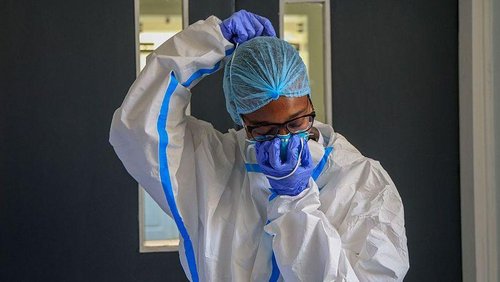
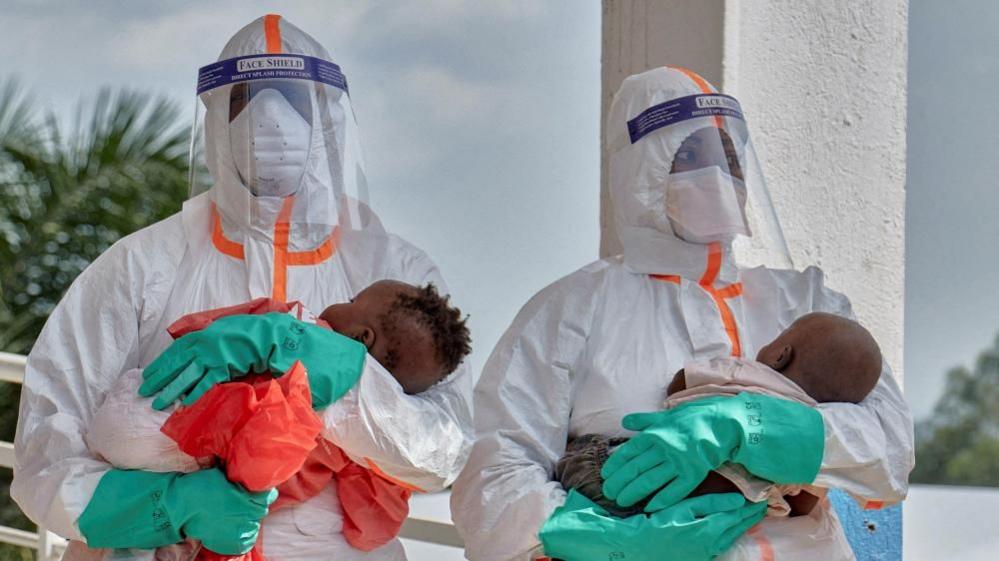
Ebola, transmitted through contact with bodily fluids, has killed roughly 15,000 people across Africa in the last 50 years. The Bundibugyo strain’s rapid transmission underscores the critical importance of early detection, adequate PPE for healthcare workers, and community engagement in affected regions.