The chief executive of the Washington Post, Will Lewis, is stepping down just days after overseeing mass layoffs at the newspaper. In a message to staff shared online, Lewis stated it was the right time to depart, indicating that 'difficult decisions' had been made to ensure the paper's ongoing success.
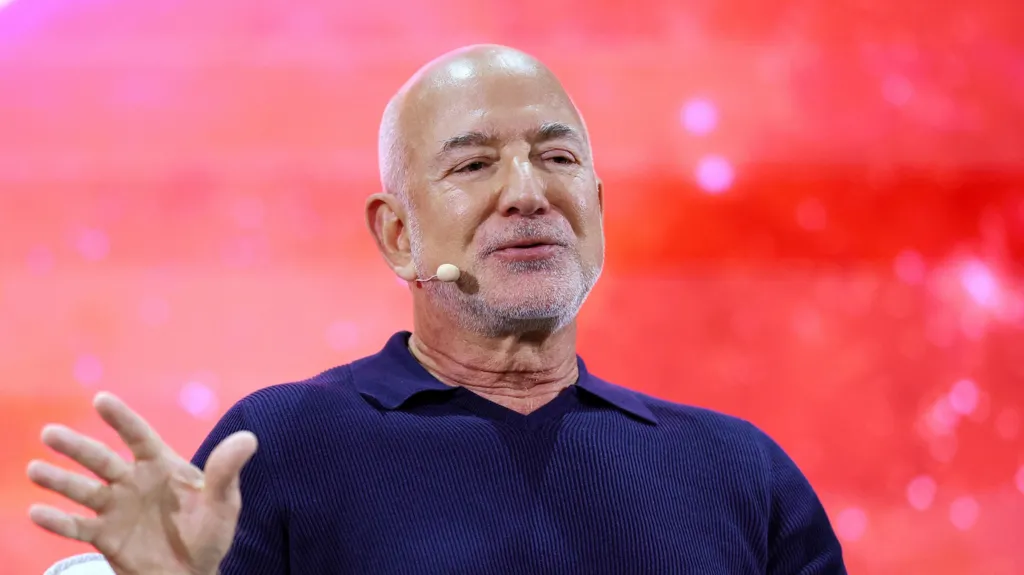
Earlier this week, the Washington Post announced it was cutting a third of its workforce, a move that significantly impacts its sports and international news coverage. This decision has been met with widespread condemnation from journalists and others in the industry, with criticism directed at the newspaper's owner, billionaire Jeff Bezos. Executive editor Matt Murray claimed the reduction was necessary for stability.
Jeff D'Onofrio, the current chief financial officer, has been appointed as acting publisher and CEO following Lewis's departure. Lewis, who formerly served as the chief executive at Dow Jones and publisher at the Wall Street Journal, took on his role at the Washington Post in 2023 amid significant challenges.
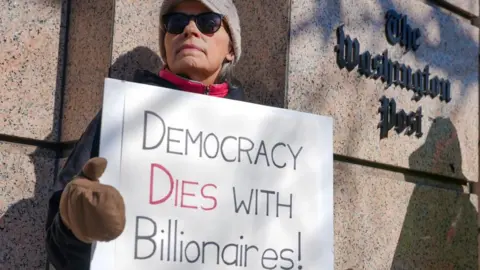
His tenure has not been without controversy; he faced backlash from both subscribers and staff while attempting to reverse the publication's financial losses. This week's layoffs included the entire Middle East staff and its Ukraine correspondent, breeding further discontent. Protests erupted in front of the Washington Post's headquarters in Washington DC, with hundreds demonstrating against the cuts.
Marty Baron, the former executive editor until 2021, described these cuts as one of the 'darkest days in the history of one of the world's greatest news organizations.' Lewis's exit marks another chapter of turmoil within the newspaper, which has experienced several rounds of job cuts and contentious editorial shifts under Bezos's leadership. In 2024, as the U.S. presidential elections approach, Bezos decided against endorsing a candidate for the first time since he acquired the Post in 2013, a move criticized by many and leading to significant subscriber loss.
Previously, the Post endorsed Democratic candidates in most presidential elections since the 1970s, a tradition now broken. Furthermore, the resignation of the opinion editor last year was tied to Bezos's directive to focus the editorial content on themes of 'personal liberties and free markets,' effectively sidelining opposing viewpoints.
Earlier this week, the Washington Post announced it was cutting a third of its workforce, a move that significantly impacts its sports and international news coverage. This decision has been met with widespread condemnation from journalists and others in the industry, with criticism directed at the newspaper's owner, billionaire Jeff Bezos. Executive editor Matt Murray claimed the reduction was necessary for stability.
Jeff D'Onofrio, the current chief financial officer, has been appointed as acting publisher and CEO following Lewis's departure. Lewis, who formerly served as the chief executive at Dow Jones and publisher at the Wall Street Journal, took on his role at the Washington Post in 2023 amid significant challenges.
His tenure has not been without controversy; he faced backlash from both subscribers and staff while attempting to reverse the publication's financial losses. This week's layoffs included the entire Middle East staff and its Ukraine correspondent, breeding further discontent. Protests erupted in front of the Washington Post's headquarters in Washington DC, with hundreds demonstrating against the cuts.
Marty Baron, the former executive editor until 2021, described these cuts as one of the 'darkest days in the history of one of the world's greatest news organizations.' Lewis's exit marks another chapter of turmoil within the newspaper, which has experienced several rounds of job cuts and contentious editorial shifts under Bezos's leadership. In 2024, as the U.S. presidential elections approach, Bezos decided against endorsing a candidate for the first time since he acquired the Post in 2013, a move criticized by many and leading to significant subscriber loss.
Previously, the Post endorsed Democratic candidates in most presidential elections since the 1970s, a tradition now broken. Furthermore, the resignation of the opinion editor last year was tied to Bezos's directive to focus the editorial content on themes of 'personal liberties and free markets,' effectively sidelining opposing viewpoints.