In brief
A federal judge in Minnesota dismissed a request from state officials to stop the surge of Immigration and Customs Enforcement (ICE) agents in the area. The ruling comes as the community protests against increased federal enforcement following two fatal shootings of U.S. citizens by federal agents. The protests, called the National Shutdown, emphasize calls for the defunding of ICE and address allegations of racial profiling and excessive force by ICE agents.
A federal judge on Saturday denied a state government request to block the Trump administration's deployment of thousands of federal immigration agents in Minneapolis, Minnesota.
In a ruling, District Court Judge Katherine Menendez stated that the immigration enforcement operation has had, and will likely continue to have, profound and even heartbreaking, consequences on the State of Minnesota. However, she ruled that state officials did not sufficiently prove that the deployment was unlawful.
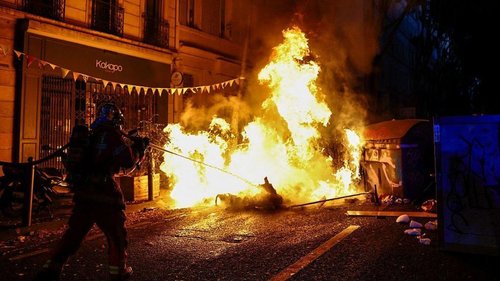
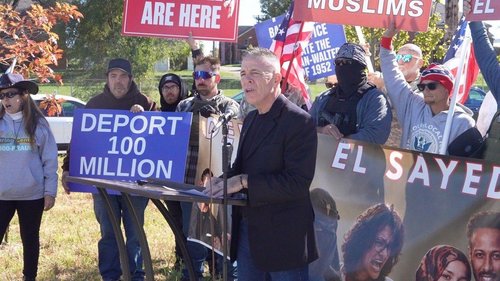
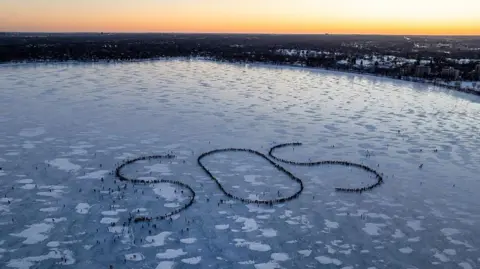
The ruling comes as thousands nationwide took to the streets to protest the recent fatal shootings of two U.S. citizens, Renee Good and Alex Pretti, by federal agents. Demonstrators are expected to gather in Minneapolis and have also rallied in cities such as New York, Los Angeles, and Washington DC, calling for a halt to ICE operations.
In response to the protests, organizers urged Americans to remain home from work and school to demonstrate against federal immigration practices. Judge Menendez noted evidence of racial profiling and excessive use of force by ICE but indicated that state officials failed to provide metrics to distinguish lawful police actions from unlawful commandeering.
As part of Operation Metro Surge, which aimed to target severe criminal illegal aliens, approximately 3,000 federal agents have been deployed in Minnesota. Critics argue that the operation has ensnared many innocent individuals, exacerbating tensions in the community.
Officials, including Minnesota Governor Tim Walz and Minneapolis Mayor Jacob Frey, have asked the federal government to withdraw the agents amidst reports of violence and public outcry. The ICE initiative has raised significant concern, prompting widespread protests and national discourse regarding immigration enforcement practices.
In addition, singer Bruce Springsteen has performed a song in tribute to the slain citizens, marking a significant cultural response to the incident. As the situation evolves, community leaders and residents continue advocating for justice and changes to federal immigration policies.