In brief
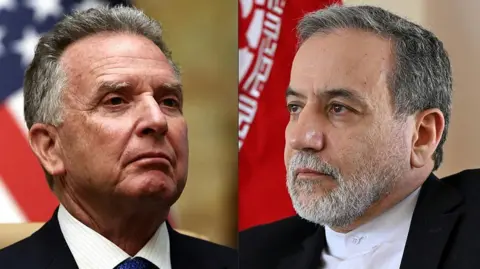
Senior officials from the US and Iran are set to engage in crucial talks in Oman as fears of military confrontation grow. The dialogue, which follows a significant US military buildup in response to Iran's internal turmoil, aims to address contentious issues beyond just the nuclear program, even as both nations struggle to find common ground.
Senior US and Iranian officials are expected to meet in Oman later for direct talks amid a crisis that has raised fears of a military confrontation between the two countries. The discussions come after a US military build-up in the Middle East in response to Iran's violent repression of nationwide anti-government protests last month, which human rights groups say resulted in numerous deaths.Uncertainty regarding the location and scope had threatened to derail the talks, which are part of a diplomatic effort by regional mediators to de-escalate tensions. Both countries remain far apart on their positions. However, if successful, the discussions could pave the way for a framework for further negotiations.The US is demanding that Iran freeze its nuclear program and discard its stock of enriched uranium, insisting that talks also include Iran's ballistic missiles, support for regional armed groups, and its treatment of citizens. Conversely, Iran has restricted the talks to its nuclear program, and it's unclear if these differences have been addressed.In recent weeks, President Donald Trump has threatened military action against Iran if a deal is not reached. The US has deployed thousands of troops and an “armada” to the region, including aircraft carriers and warships. Iran has warned of retaliation against any military strikes, vowing to target American assets in the Middle East and Israel.This meeting marks the first involving US and Iranian officials since the conflict between Israel and Iran escalated last June. Analysts suggest that these talks may represent a critical opportunity for Iran to prevent US military action, particularly as the country’s leadership faces significant internal strife amidst widespread protests triggered by economic crisis.As both nations prepare for negotiations in Oman, the stakes are incredibly high, with potential consequences not only for US-Iran relations but also for regional stability.