In brief
In a significant diplomatic shift, Iranian President Masoud Pezeshkian has announced that Iran will pursue negotiations with the United States, guided by requests from friendly countries in the region. This development comes amidst heightened tensions surrounding Iran's nuclear ambitions and recent protests that have led to widespread unrest. Pezeshkian stipulated that talks would be contingent on a favorable environment, free from threats and unreasonable demands. The scheduled talks in Istanbul follow increased military pressure from the US, raising concerns about regional stability.
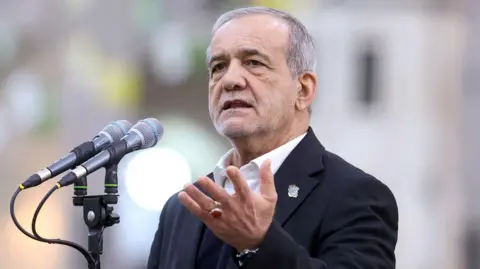
Iranian President Masoud Pezeshkian has said Iran will pursue negotiations with the US after requests from friendly governments in the region to respond to a US proposal for talks.
In a statement on X, Pezeshkian said he had told Iran's Minister of Foreign Affairs Abbas Araghchi to pursue talks provided that a suitable environment exists - one free from threats and unreasonable expectations.
The Iranian president's words come after the country's supreme leader Ayatollah Ali Khamenei warned any attack on Iran would spark a regional conflict.
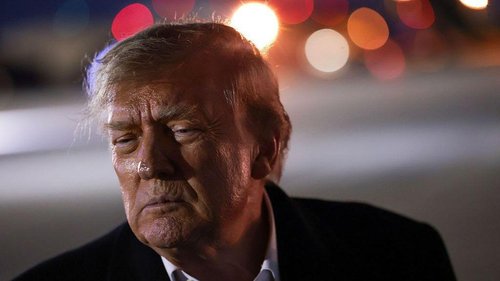
US President Donald Trump has threatened to intervene in Iran over its nuclear ambitions and deadly crackdown on protesters, building up forces nearby.
These negotiations shall be conducted within the framework of our national interests, Pezeshkian added.
The talks will be held in Istanbul on Friday, according to US media reports.
Pezeshkian's announcement follows an interview with Araghchi in which he told CNN he was confident that we can achieve a deal.
Speaking to a press pool in the White House, Trump said on Monday if we can work something out that would be great, but warned that bad things would happen if not.
The US carried out targeted strikes on Iran's nuclear facilities last year in what it called Operation Midnight Hammer. The strikes followed a large-scale operation by Israel to target Iran's nuclear facilities and nuclear scientists.
Trump added that there was a tremendous force headed to Iran, including the biggest and the best ships. The build-up of US military and navy includes air craft carrier USS Abraham Lincoln, which has an air wing of around 70 aircraft.
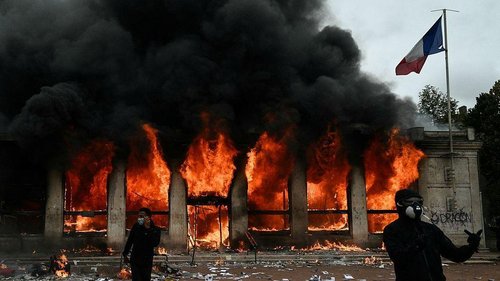
It follows a crackdown by Iranian security forces that protesters told the BBC was unlike anything they had witnessed before.
Iranian authorities previously said that 3,117 people were killed during the protests, but activist and monitoring groups say the toll is significantly higher.
US-based Human Rights Activists News Agency (HRANA) says it has confirmed the deaths of 6,430 protesters, 152 children and 214 people associated with the government. It is still investigating some 11,280 cases.
Norway-based Iran Human Rights (IHR) said the final toll could exceed 25,000.
The widespread demonstrations were sparked by economic frustrations in the country but developed into demands for political change.
Iranian officials have told Khamenei that public anger following the protests has reached a point where fear is no longer a deterrent, Reuters news agency reports.