In brief
This article delves into the contrasting views of Iranians, both in the country and in exile, regarding US intervention amidst national protests against the Iranian regime. It features personal stories, sentiments of fear and hope, and the pressing call for support as the crisis unfolds.
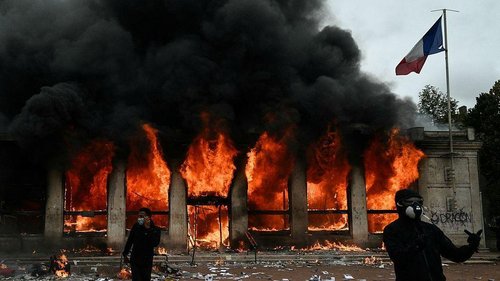
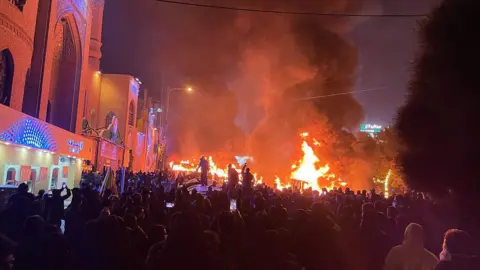
For Mojdeh and her husband, the question of US intervention in Iran is personal. In early January, they travelled from their home in Washington, DC to Tehran to visit family, expecting a short, routine trip. Instead, protests spread, flights were cancelled, and they found themselves stranded in a city that no longer felt predictable. 'Life was on pause,' Mojdeh said, especially at night, when the internet and even phone networks went dark.They did not plan to protest. But on the nights of 7 and 8 January, she said, it was impossible to remain uninvolved. 'If you left your house, you saw it,' she said. The BBC has changed her name to protect her and her husband's identities. One evening, after eating in a restaurant, they stepped outside to find the city transformed: Crowds filled the streets and in some areas, security forces appeared to have lost control. 'It felt like people had occupied Tehran,' she said.Protests erupted across Iran just before the new year, driven by anger over economic hardship and a collapsing currency, but quickly escalated into calls for an end to the Islamic Republic. Days later, security forces responded with deadly force. The true death toll is difficult to verify due to an internet blackout and lack of independent reporting, with estimates ranging dramatically.US President Trump has voiced support for Iranian protesters, and while US and Iranian officials have held preliminary talks, expectations remain low. Mojdeh's voice faltered as she described her homeland during the protests: people running and shouting, scenes etched in her memory long after they managed to leave Iran.The couple, although safely in the US, understands the desperation and complexities of US intervention. They recognize that while some see it as help, they remain skeptical about its potential to fulfill the protesters’ demands for dignity, economic security, and freedom, fearing the costs of misunderstanding destruction for salvation.Meanwhile, opinions among Iranians regarding US involvement vary widely. For Shirin, an Iranian-American, intervention from the international community is seen as necessary to stop ongoing violence and instability. Conversely, Roozbeh, a former Iranian activist, urges caution against intervention that might further endanger his compatriots. Ali, another Iranian who has lived in the US, contends that intervention is essential for regime change, which he believes cannot occur from within. His views underscore a growing sentiment that many Iranians now see outside assistance as the only viable path forward.As protests continue and repression thickens with the Iranian authorities arresting thousands, the question of foreign intervention looms ever larger. The pain and apprehension felt by Iranians here and abroad invigorates the discourse about what the future may hold for the nation, with time running out for many to seek a better tomorrow.