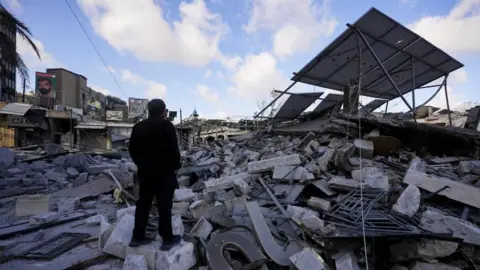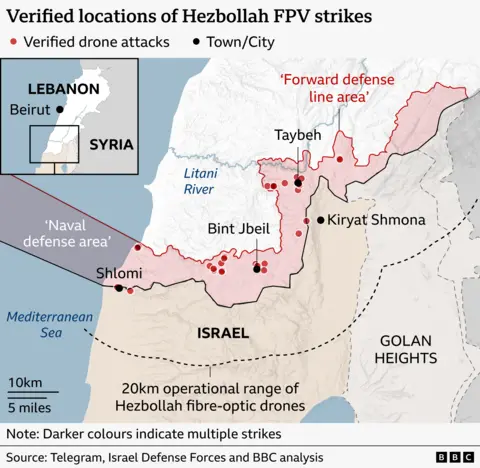
On the night of Saturday, Iranian forces launched a series of missiles and drones toward Israel, targeting areas within Israeli territory. The assault came in response to an Israeli strike on a site linked to Hezbollah in southern Beirut, a move that Tehran argued was a direct attack on one of its allies.
For years, Iran’s proclamations of attack on Israel have been framed as retaliation for aggression on Iranian soil. This latest strike diverged from that pattern by being prompted by an action against a partner rather than a direct Iranian target.
Iran’s leadership reportedly pivoted from fearing isolation to adopting a stance of resilience. The country has endured sustained logistical and military pressure, sanctions and a naval blockade, yet it remains intact. Analysts suggest this experience has emboldened Tehran to assert its power on the regional stage.
The strike may have been intended as deterrence rather than retaliation: Tehran signals that attacks on its allies will be treated as attacks on Iran itself, a message that matters to Hezbollah, Iraqi militias and the broader Axis of Resistance. Such a stance clarifies Iran’s expectations for regional partners and keeps the credibility of its support intact.
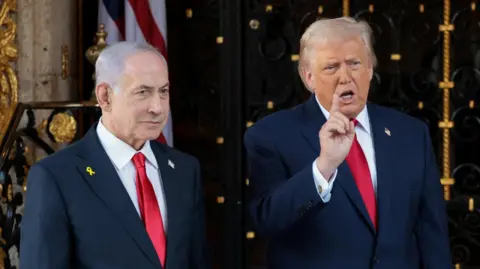
Strategically, Tehran might have weighed the benefits of demonstrating operational capability against the risk of halting diplomatic talks. With President Trump reportedly hinting at a possible deal, Iran’s action may be perceived as a calculated move to strengthen its bargaining position rather than jeopardize negotiations. By presenting a concrete display of force, Iran reminds Washington and Israel that it still commands strategic options.
The outcomes of this decision remain uncertain. If the strike succeeds in signaling resolve while keeping dialogue open, Iran could reshape its regional reality. If the gamble backfires, heightened tensions may threaten stability in the Middle East.
Public opinion in Iran reflects a mix of support, concern and skepticism. Some citizens view the attack as a justified response to defense of Lebanon, while others fear it could worsen domestic grievances and exacerbate international hostilities. The broader debate centers on whether this move will lead to wider conflict or remain a limited exchange.