US‑Iran Deal Signed Amid Ongoing Tensions
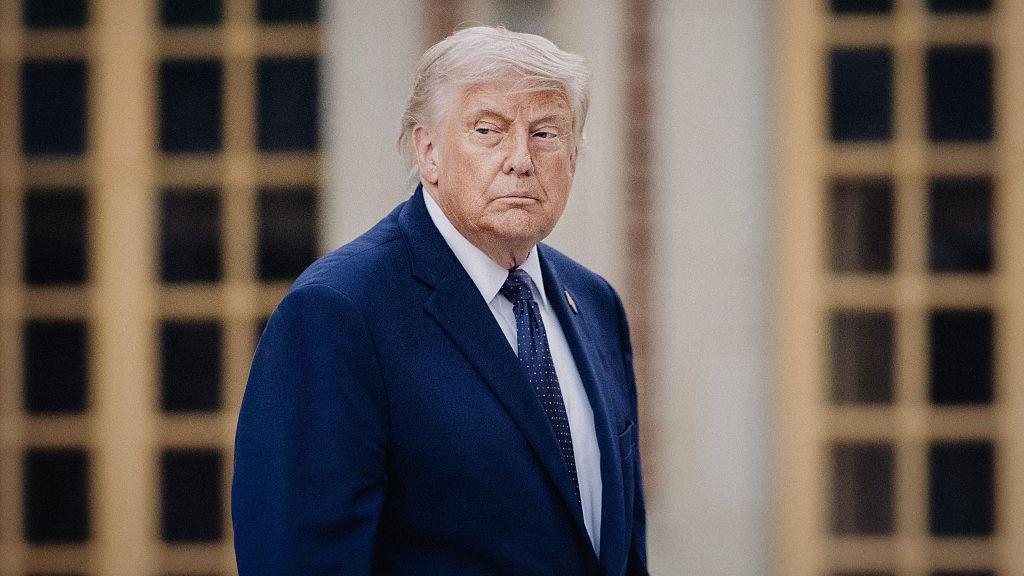
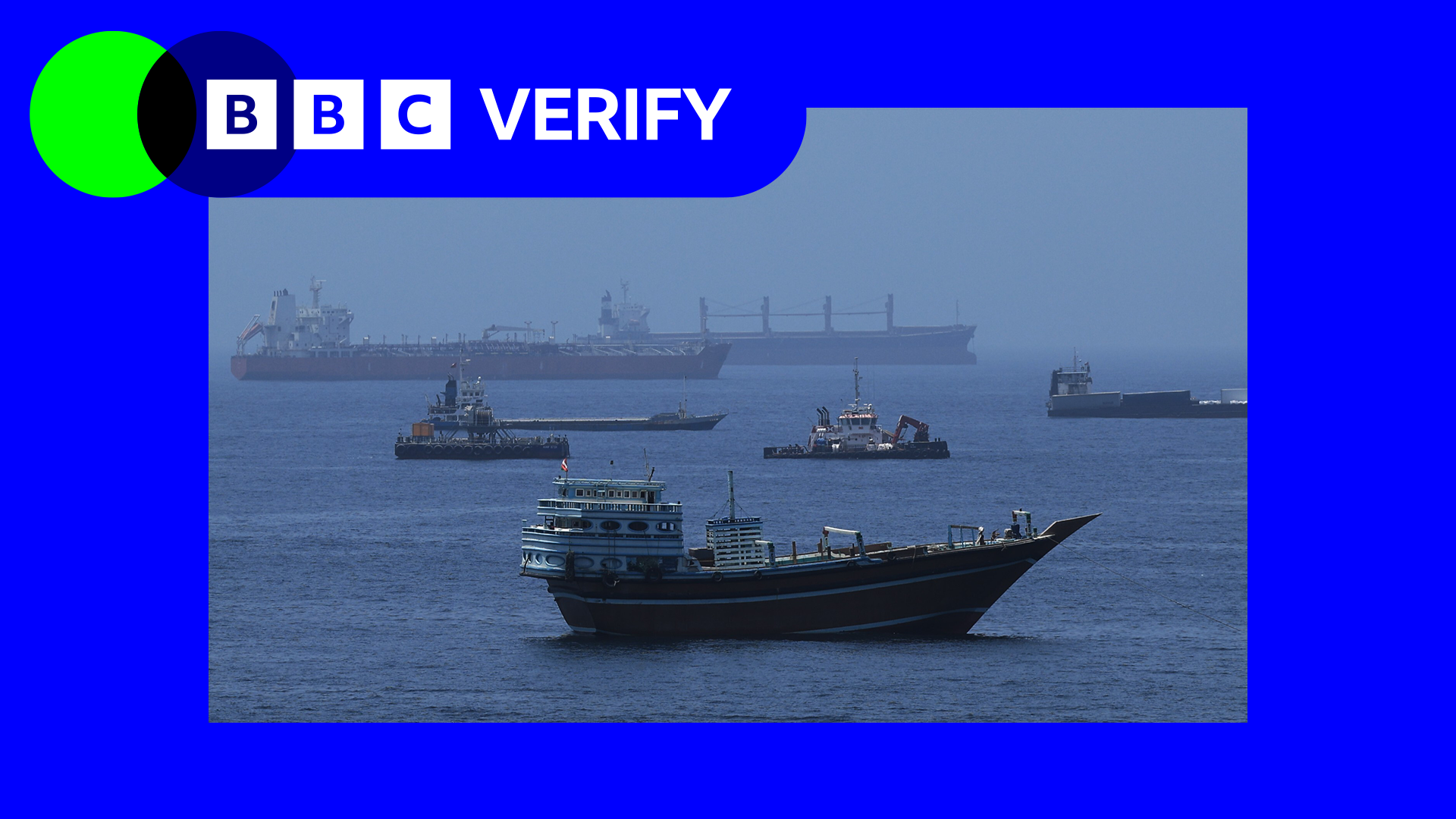
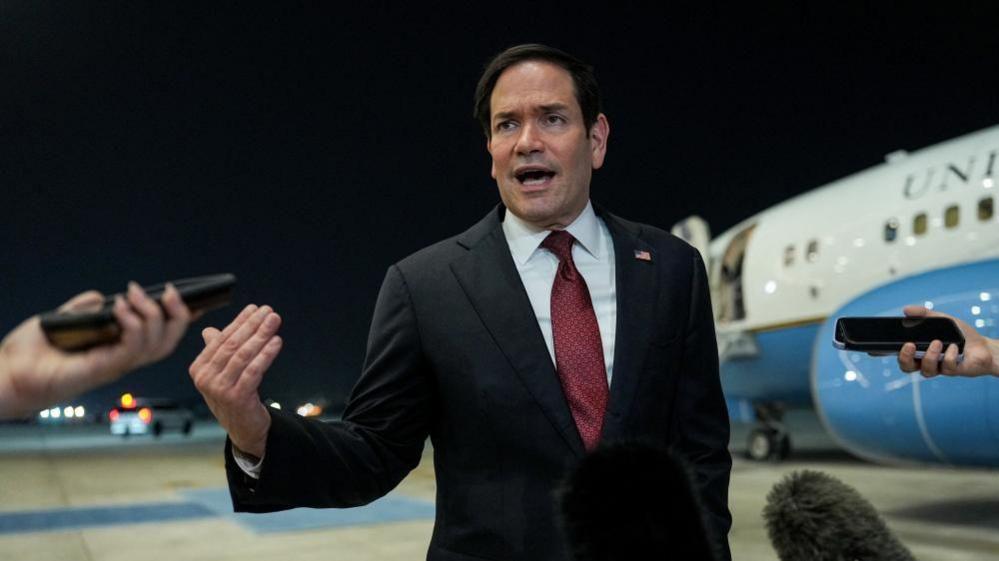
After months of stalled negotiations, President Donald Trump and Iranian officials have announced a memorandum of understanding that promises to ease the region’s most volatile dynamics. The agreement, hailed as a high‑point of diplomatic engagement, could restore the flow of shipping through the Strait of Hormuz and lift the United States’ blockade of Iranian ports.
Both sides have declared victory. Trump declared that the "Great Deal will bring Peace and Security to the whole Region," while Iran’s deputy foreign minister, Kazim Gharibabadi, highlighted the pact’s military achievements and confirmed the memorandum’s signing.
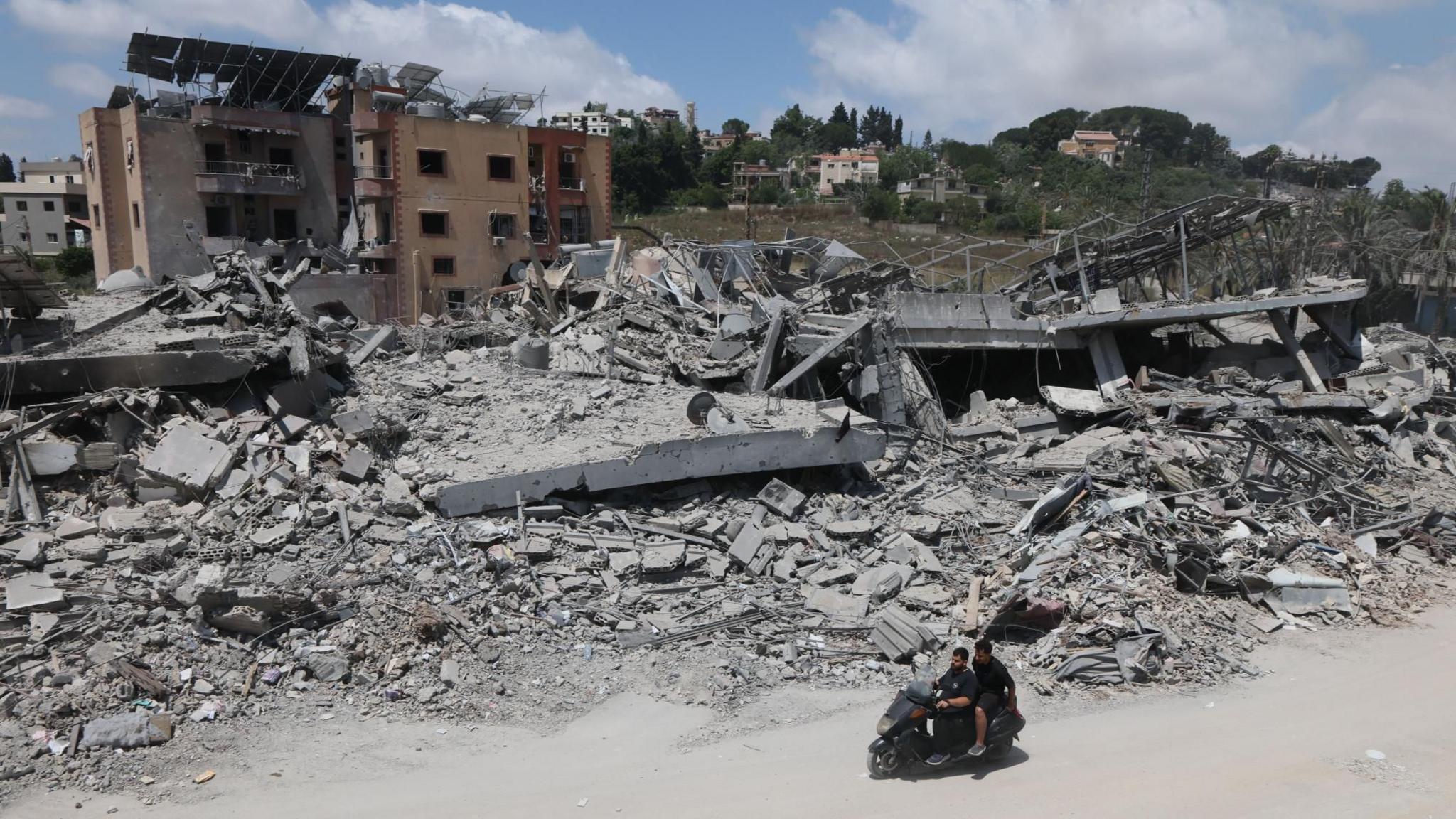
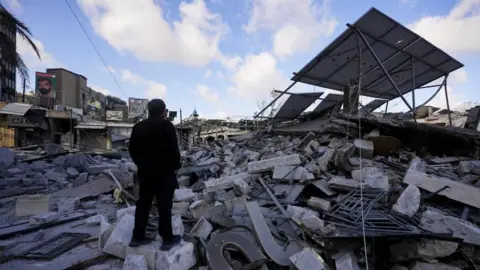
A key clause—cited by Pakistan’s Prime Minister Shehbaz Sharif—calls for the "immediate and permanent termination of military operations on all fronts, including in Lebanon." For Iran’s Arab Gulf neighbours, this pledge offers a respite from the threat of Iranian missiles that has heightened tensions for the Gulf states.
However, the deal’s actual impact on Lebanon remains uncertain. Israeli Prime Minister Benjamin Netanyahu has shown no indication of ending the current offensive against Hezbollah, and Israeli airstrikes on Beirut’s southern suburbs in recent weeks could derail any pause. Analysts warn that the agreement’s enforcement mechanisms are not yet finalised and that Israel’s position on hostilities will influence the deal’s practical effect.
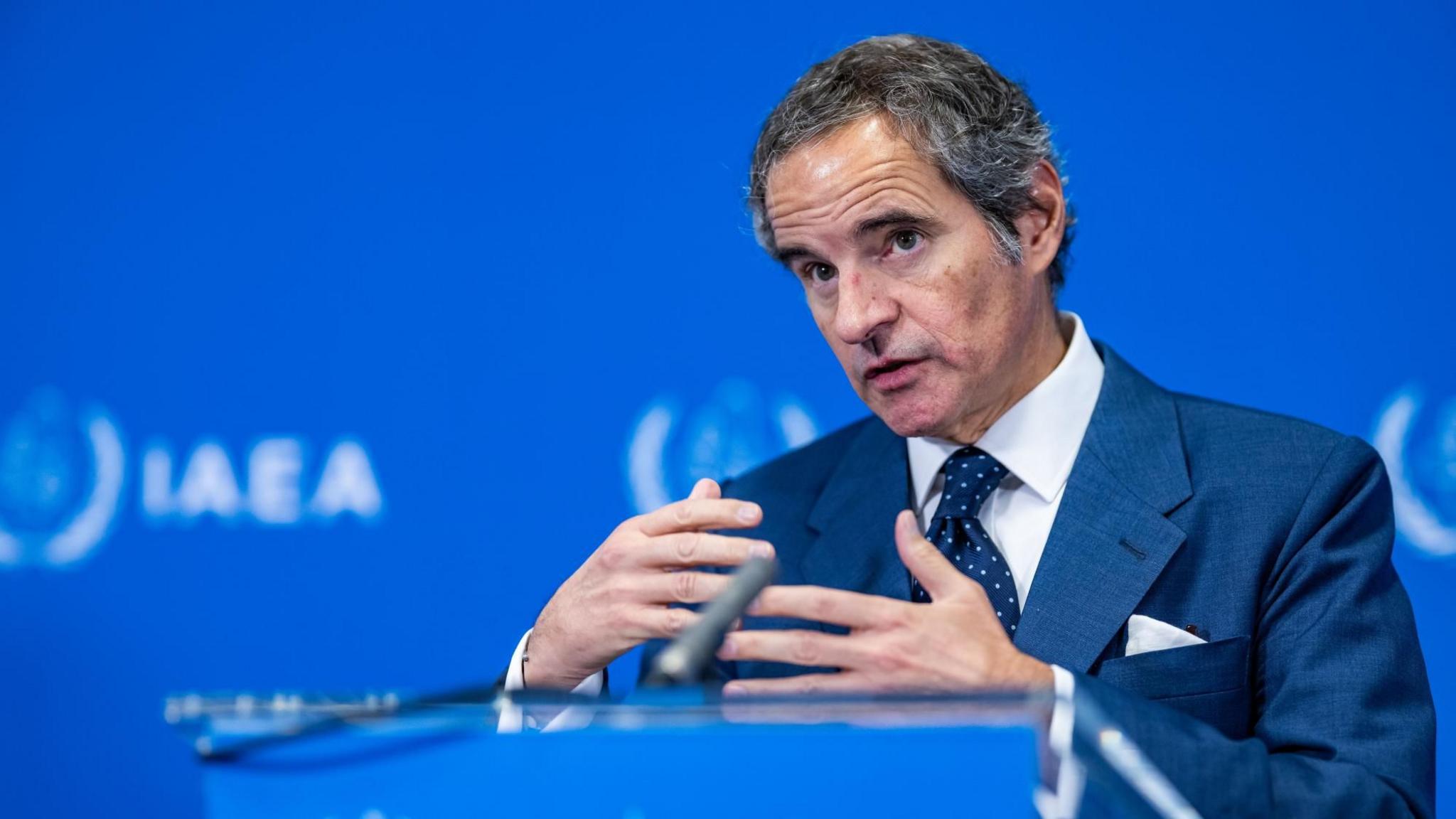
Moreover, the United States and Israel question whether the memorandum provides robust safeguards against Iran’s nuclear ambitions. State‑run media reports hint at a potential verification mechanism, but the details are still to be clarified and will likely dominate negotiations ahead of the ceremony next week.
For now, the prevailing uncertainty—from the lifting of maritime blockades to the resolution of Iran’s nuclear programme—remains. Yet the announcement injects a measure of calm into a region that has oscillated between ceasefire and conflict. Whether a lasting peace will emerge depends on the agreement’s practical implementation and the willingness of all actors, especially Israel, to adjust their military posture.
Image: Reuters