In brief
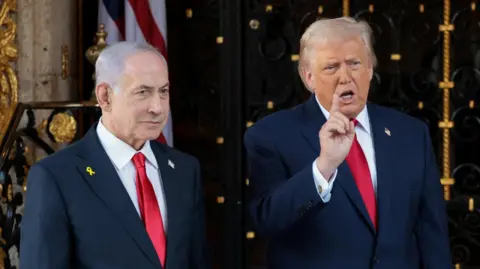
A recent ceasefire agreement, brokered by U.S. President Donald Trump, took Israel by surprise, leading to skepticism among its citizens regarding governmental transparency and the effectiveness of the deal. As tensions rise with ongoing rocket attacks from Lebanon, Israeli Prime Minister Netanyahu must navigate complex political pressures while addressing the potential consequences of the ceasefire.
As news of the ceasefire spread through Israel's northern communities, sirens blared three times this evening warning of incoming rockets from Lebanon.
In the sky above the northern city of Nahariya, Israel's air defence interceptors shot up to block them, triggering loud explosions. Ambulance crews reported at least three people were wounded by shrapnel before the ceasefire took effect, including two seriously.
The ground sentiment in Israel is fraught with skepticism about why Prime Minister Netanyahu has consented to the truce. I feel like the government lied to us, said Gal, a student from Nahariya. They promised that this time it would end differently, but it seems like we're once again heading toward a ceasefire agreement that solves nothing.
Maor, a truck driver whose home was hit by a rocket last year, expressed discontent as well: We gave the Lebanese government a chance and they failed to uphold the agreement; they didn't disarm Hezbollah. Meanwhile, leaders of Israel's military have stressed that the ceasefire will not shift their operational strategies in Lebanon.
Reportedly, Netanyahu's announcement of the ceasefire surprised even members of his security cabinet, as it came with only five minutes’ notice before a scheduled meeting. Leaked details indicate that ministers were not polled or given any opportunity to debate the decision.
The ceasefire reflects ongoing pressures from the U.S. and is perceived by many as another case of Israel ceding to American demands without securing substantial benefits. Netanyahu attempted to frame the ceasefire as an opportunity for a historic peace agreement, but crucial conditions from Hezbollah remain unmet.
Public sentiment in Israel remains difficult, with a recent poll indicating nearly 80% support for military strikes against Hezbollah. Criticism is growing louder regarding the perceived alignment of Israeli interests with U.S. political objectives, especially given the lack of robust outcomes from this truce.
The ceasefire could be interpreted as yet another temporary measure that ultimately fails to resolve underlying conflicts, with residents expressing frustration over what they see as their suffering being manipulated for international political negotiations.