In brief
A recent inquiry has concluded that 518 people died in Tanzania following the violence stemming from last year's general election. The report indicates that police brutality was a significant factor, with women and children among the casualties. Although the inquiry provided a detailed death toll, it stopped short of assigning blame, urging further investigations into the violence. The implications of this violence have cast a shadow over the government’s integrity and its claims of a fair electoral process.
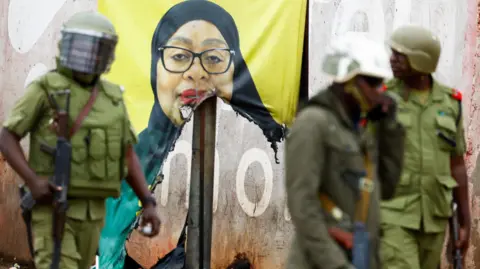
A total of 518 people died in Tanzania from unnatural causes, including 197 who were shot dead, in the widespread protests that followed last year's general election, as announced by the commission of inquiry set up to investigate the violence.
However, commission chairman Mohamed Chande Othman did not specify who was responsible for these deaths, recommending further investigations.
This marks the first time authorities have acknowledged the high number of fatalities.
Opposition parties and human rights groups had previously accused security forces of carrying out a brutal crackdown on anti-government protesters, resulting in potentially thousands of deaths.
President Samia Suluhu Hassan was declared the winner of the October 29 poll with 98% of the vote - a victory described by opposition as a mockery of democracy given that key challengers were excluded. The president insisted that the election was fair and blamed external forces for inciting violence aimed at destabilizing her administration.
Last year, multiple verified videos surfaced showing police shooting at groups of protesters, along with footage depicting heavily armed police units using tear gas to disperse crowds. The violent repression was particularly shocking for a nation known for decades of political calm.
Speaking after receiving the report, President Samia stated that the violence was unprecedented and committed by organized groups with ulterior motives, signifying a need for a new criminal investigation unit to scrutinize these acts.
Opposition parties have called the commission's findings a cover-up and have demanded accountability for the violence. Among the reported dead, 490 were male, 21 were children, and 16 were security officers, but questions remain about the accuracy of these numbers, as many victims may have been buried without formal record.
The inquiry cited economic, political, and social tensions, particularly calls for political reforms and high unemployment, as root causes of the unrest. It recommended medical treatment and support for victims, a national day of mourning, and the establishment of a new constitutional framework before the next elections in 2028.