In brief
A recent commission of inquiry into violence following Tanzania's general election found that 518 fatalities occurred from 'unnatural causes'. This alarming report highlights accusations of a violent crackdown by security forces against opposition protests, stirring debates on accountability and future reforms in the country's political landscape.
A total of 518 people died in Tanzania from unnatural causes in the wake of widespread protests that followed last year's general election, the commission of inquiry set up to investigate the violence has announced.
However, commission chairman Mohamed Chande Othman did not say who was responsible for the deaths and recommended further investigations.
Opposition parties and human rights groups had previously accused the security forces of unleashing a brutal crackdown on anti-government protesters.
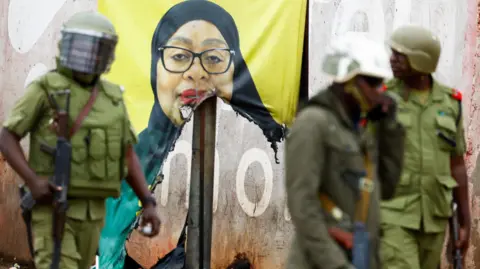
President Samia Suluhu Hassan was declared the winner of the 29 October poll with 98% of the vote - which the opposition described as a mockery of democracy.
At the time, the president said the election was fair and transparent and blamed foreigners for the violence, saying it was part of a plot to overthrow her.
International observers raised concerns over the lack of transparency in the vote, with the African Union and the southern Africa bloc Sadc noting that the election had fallen short of democratic standards.
Last year, the BBC verified numerous videos of police shooting towards groups of protesters, with footage showing heavily armed units blocking crowds and firing tear gas. The scale of Tanzania's election violence has shocked many, a stark contrast to the country’s historical image of peace.
Following the report's release, President Samia acknowledged its impact, stating it shook our nation, while defending the actions of security agencies as necessary to prevent chaos.
Despite the findings, the main opposition party, Chadema, has branded the inquiry a cover-up aimed at absolving the government of its actions.
This marks the first time officials have publicly disclosed the death toll from the unrest. Among the deceased, 490 were male, 21 were children, and 16 were security officers; 197 had died of gunshot wounds. Many injuries were reported, with over 2,000 injured, including 120 security personnel, though opposition claims suggest higher casualties and mass graves remain unsubstantiated according to the inquiry.
The commission cites underlying economic, political, and social issues behind the violence, urging for democratic reforms and reconciliation. It advocates criteria for legal accountability and improved medical support for victims.