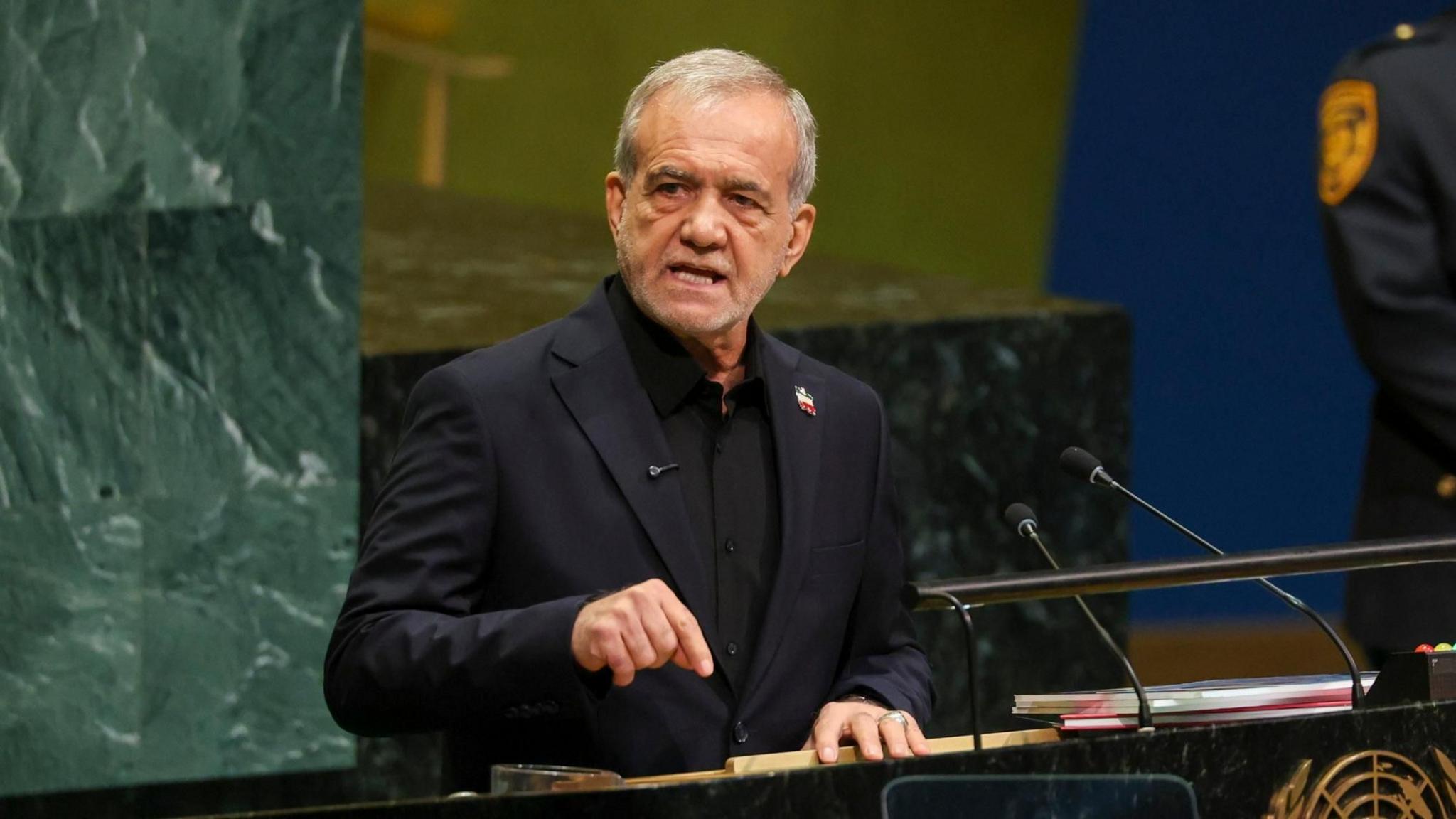
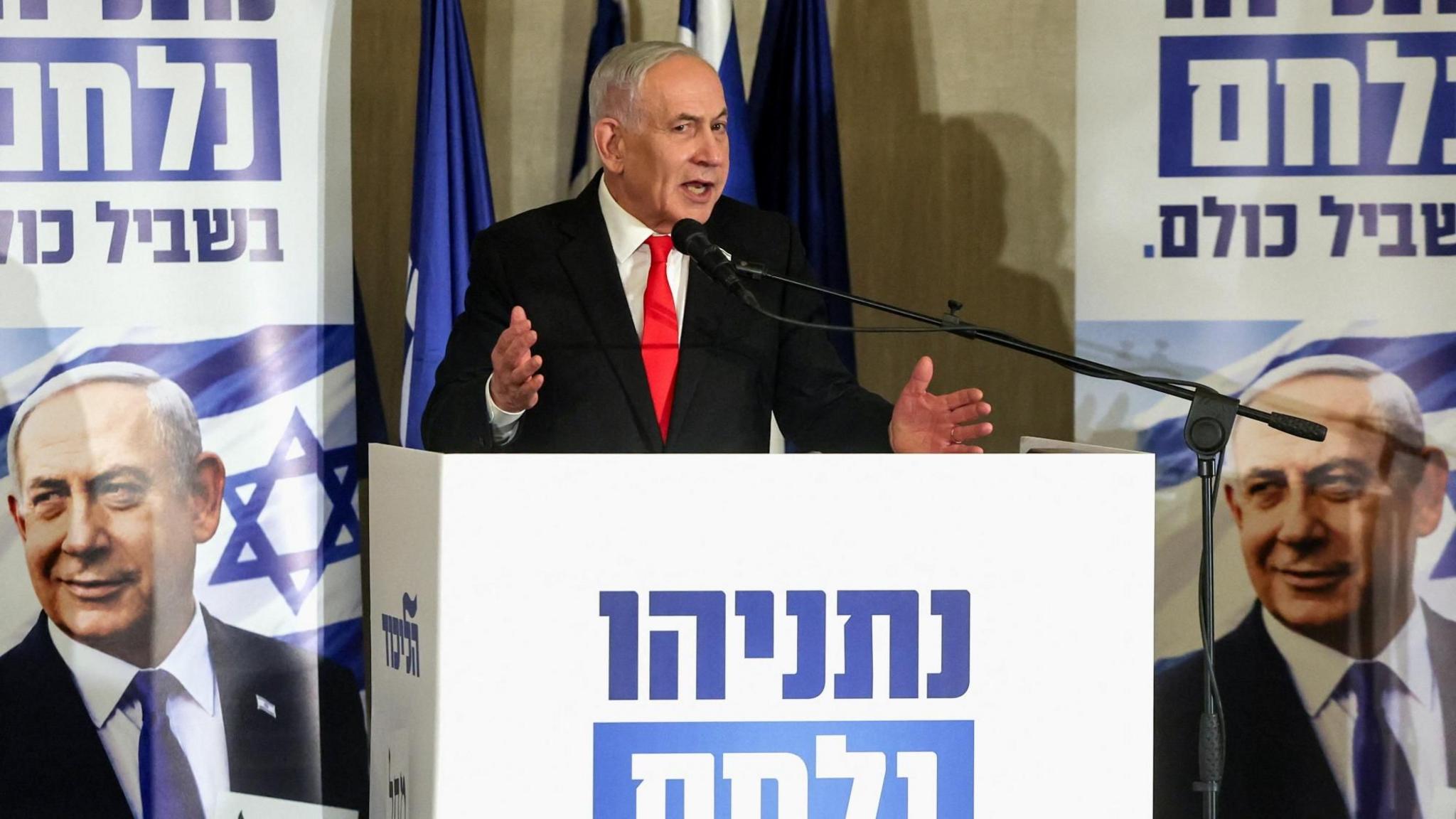
Israeli Prime Minister Benjamin Netanyahu stepped onto the podium at the U.N. General Assembly on 24 September to launch a scathing critique of Iranian actions and reaffirm Israel’s defensive posture in the Gaza conflict.
The address is notable because, just before his speech, the International Criminal Court issued an arrest warrant accusing Netanyahu of war crimes related to the Gaza campaign. Despite the warrant hanging over him, Netanyahu was unharmed and could not be detained, a testament to diplomatic immunity and the ICC’s limited enforcement power over active heads of state.
During the session, Netanyahu framed the Gaza operations as a necessary response to ongoing threats, arguing that Israel’s military actions were in line with international norms. He also highlighted the broader regional threats posed by Iran, positioning them as a collective security challenge for the international community.
Analysts note that the ICC’s arrest order—issued in a court that does not recognize Israel’s legal jurisdiction—highlights a persistent gap in global governance: when powerful governments can move freely across borders, seeking to evade accountability for actions that other states deem prosecutable. The episode deepens debate over the ICC’s mandate and effectiveness, especially amid rising tensions in the Middle East.
For the Israeli public and global observers, Netanyahu’s speech and the parallel ICC warrant have underscored the friction between state sovereignty, international accountability mechanisms, and the urgent realities of regional security.