Swiss voters reject stricter neutrality proposal in referendum

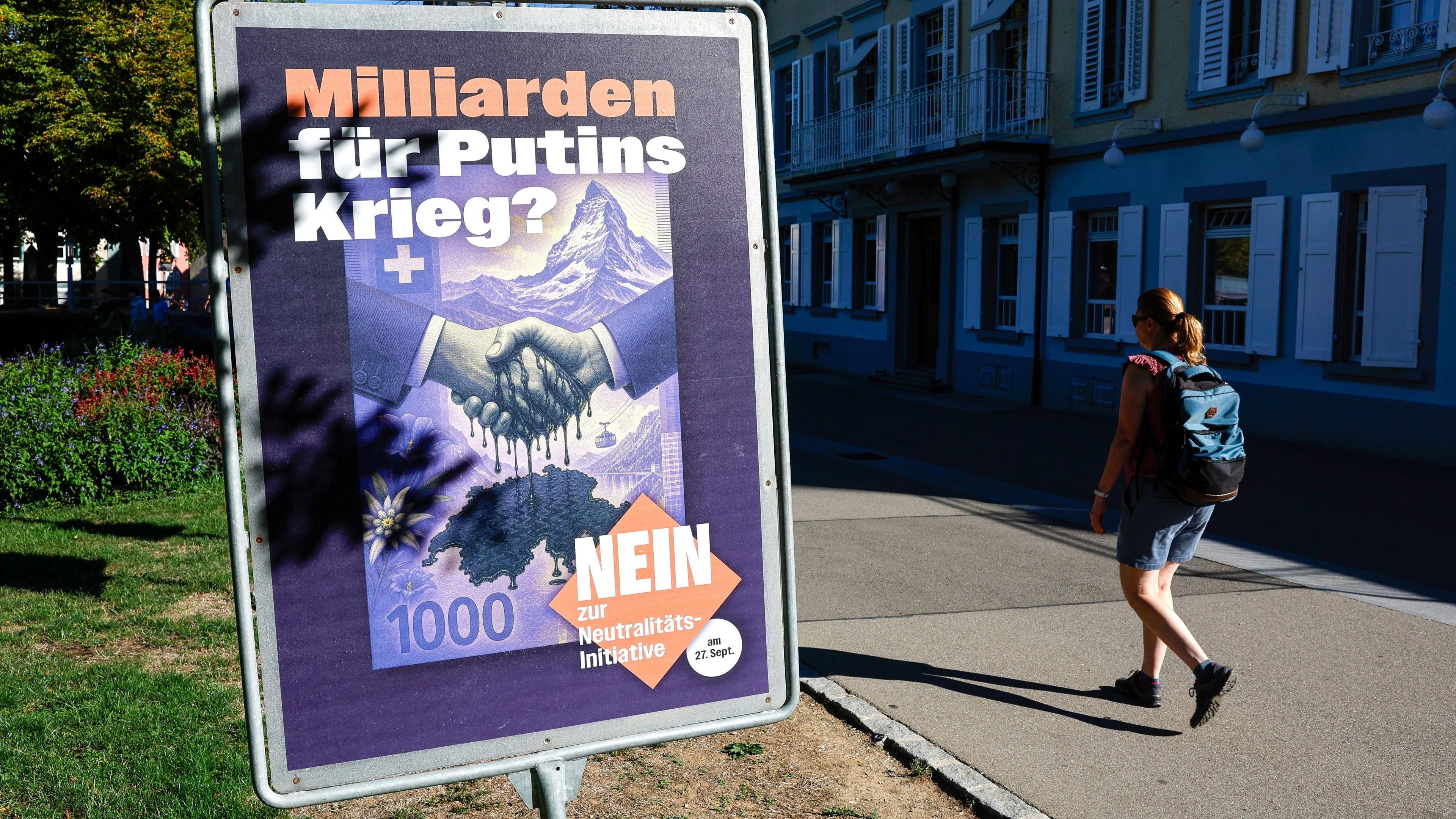
In a decisive vote, more than 70% of Swiss voters rejected a proposal that would have tightened the country’s longstanding tradition of diplomatic neutrality. The referendum would have required Switzerland to seek United Nations approval before imposing sanctions and would have barred the nation from pursuing deeper ties with the NATO military alliance.
Russia openly backed the initiative, and it received support from the right‑wing Swiss People’s Party (SVP). The federal government and all other major parties opposed the change, arguing that neutrality should remain flexible.
Lukas Golder, co‑director of the research institute Gfs.bern, told Swiss public broadcaster SRF that voters did not reject neutrality itself but instead affirmed support for sanctions against Russia while preserving the country’s independent stance.
Foreign Minister Ignazio Cassis said in a recent televised debate that “neutrality has always been applied with a degree of flexibility” and that it does not mean indifference. He added that Switzerland would not turn a blind eye to violations of international rules that undermine peace.
Switzerland was formally recognised as a neutral state in 1815 at the Congress of Vienna, a status codified by the Hague Convention of 1907, which banned the supply of weapons to belligerent nations. The country has kept its neutrality through both World Wars, though it has faced criticism for historical policies such as turning away Jewish refugees and banking gold looted by the Nazis—issues it later acknowledged and apologized for.
The outcome underscores Switzerland’s tradition of direct democracy, in which major policy decisions are often decided by the electorate through referenda, allowing citizens to maintain a balance between national sovereignty and global engagement.