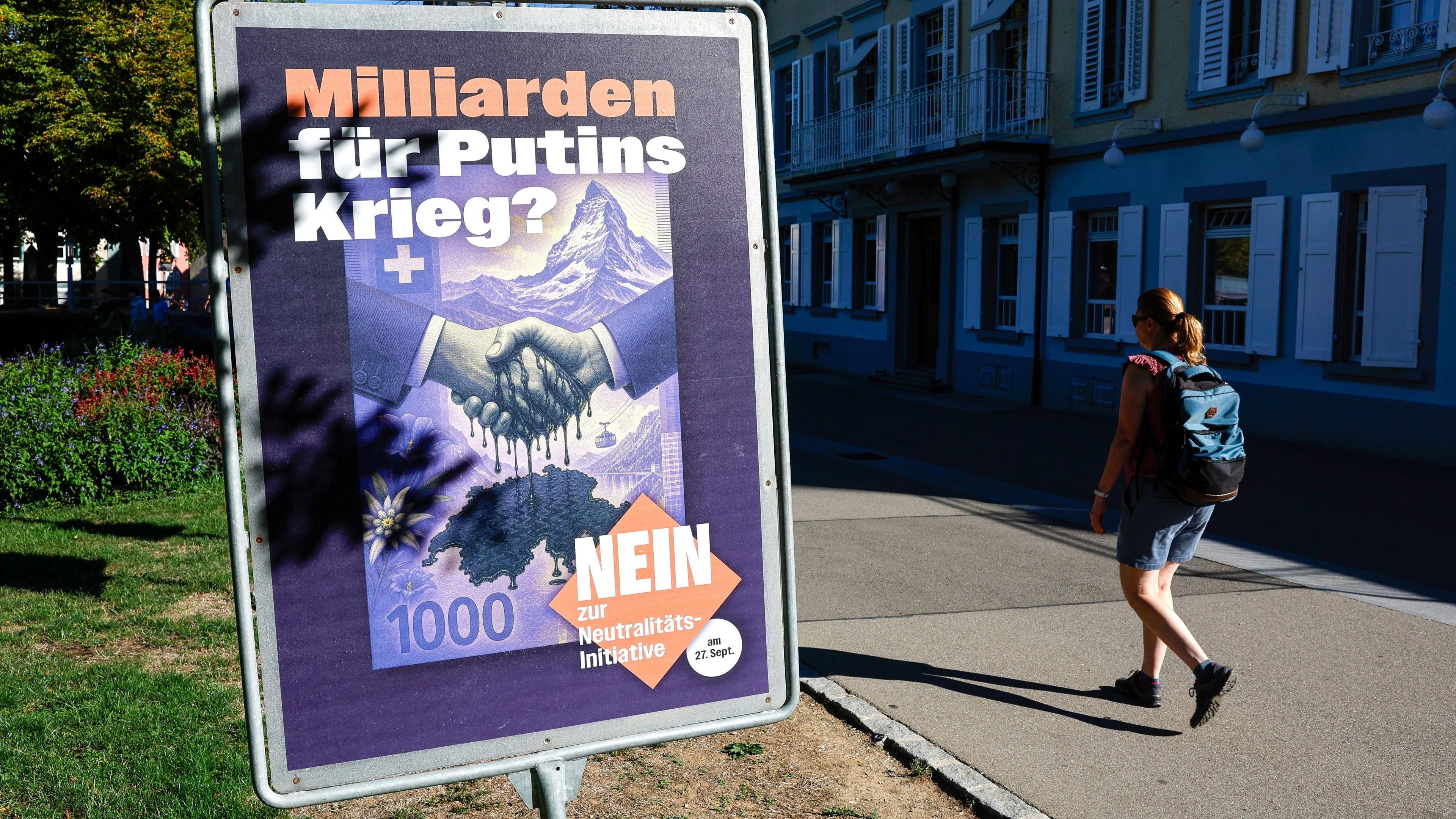

Swiss voters overwhelmingly rejected a stricter interpretation of the country’s long‑standing stance on diplomatic neutrality.
In a referendum that saw more than 70% voting against it, the proposals would have barred Switzerland from imposing sanctions without United Nations approval and halted moves towards closer ties with NATO.
The measure, broadly supported by the right‑wing Swiss People’s Party and endorsed by Russia, faced opposition from the federal government and all other major parties.
Political analysts say the result signals Switzerland’s willingness to hold its neutrality consistent with international norms while still being able to sanction Russia for its aggression in Ukraine.
Foreign Minister Ignazio Cassis highlighted that neutrality allows flexibility and does not equate to indifference, insisting that the country would not ignore violations of international law.
The country’s neutrality status dates back to 1815, formalized at the Congress of Vienna and codified in the Hague Convention of 1907, but has been tested during recent conflicts.
With its system of direct democracy, Swiss referenda continue to play a pivotal role in shaping foreign policy decisions.