On a humid, wind‑blown afternoon, a soldier in a sand‑covered Jeep from Taiz told us the drone’s buzz grew louder as it approached – and the first thud of artillery shattered the silence almost three minutes later.
The gun‑fire followed, but the exact points of impact were unclear. In a city where the front line is ambiguous amid jagged dunes, “the high ground is a fortress and a liability,” said a government fighter who crossed several checkpoints in the dark to reach the unclaimed hills now laced with shell craters.

In the shadow of these ladders of conflict, ordinary citizens still struggle to survive. Ali sits on a ridge ten kilometers from the front, her goats at his feet, and the horror of mortar strikes on his property—just to keep watching the war unfold—still lingers. He says, "We are terrified, but we have no choice: we need our animals, otherwise we’ll starve."
Meanwhile, twelve‑year‑old Ghana Nabeel of Mokha suffered a shrapnel wound to her head while grazing goats. Her family hurried her to Taiz’s al‑Thawra hospital where every casualty bed was full, an image that haunted her family’s hope for recovery.
In a cramped hall, physicians told us her brain injury could alter life forever. The same moments summed up the grim reality of a war that spreads from the rooftops of Baháʼí huts to the asphalt roads of domestic markets.
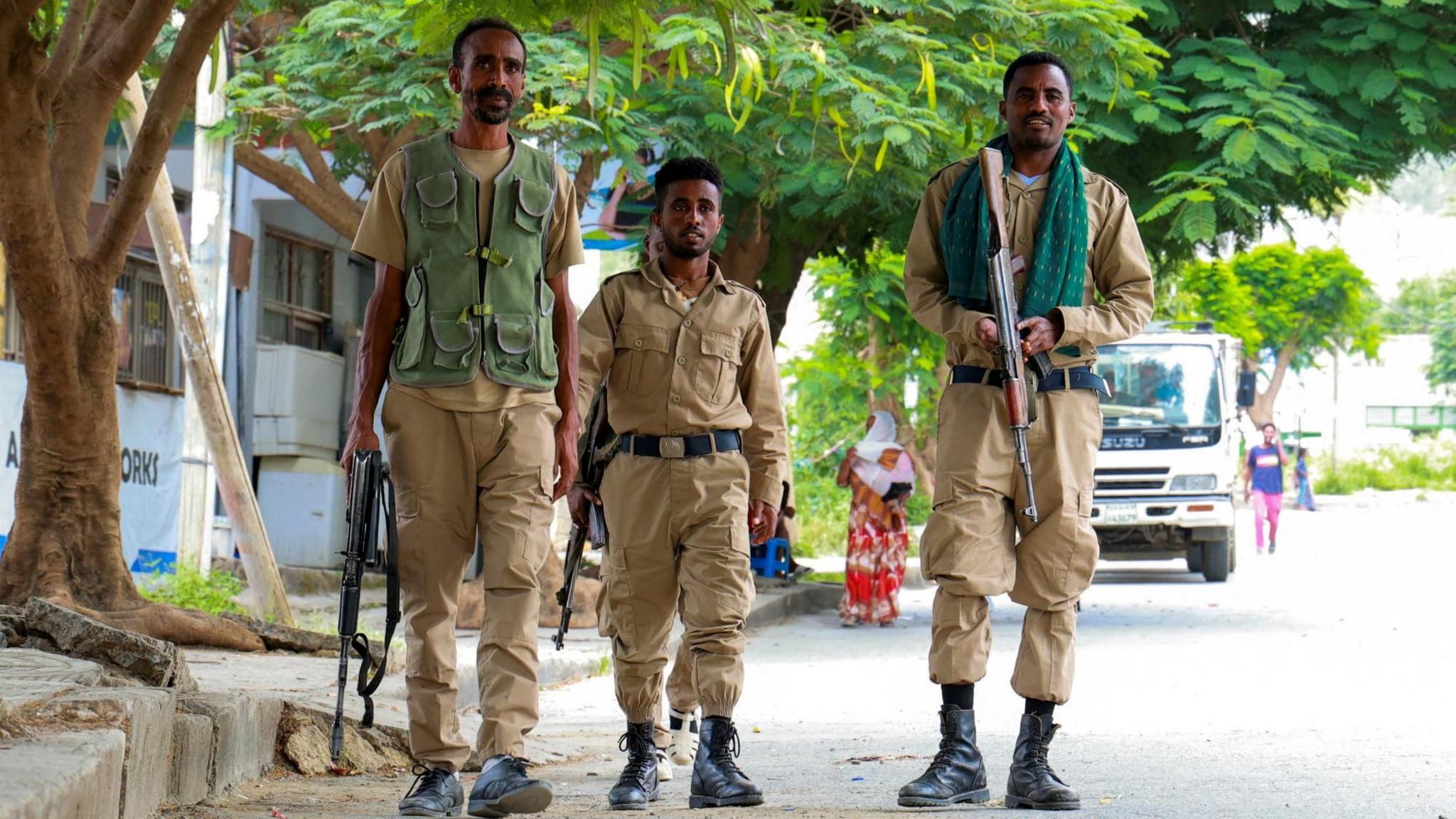
Afternoon traffic of ambulances and civilians pressed through checkpoints that we crossed, each signifying a different commander’s control. The scene was hot, yet quiet beyond the echelon of gunfire: the only sounds were the distant echo of shells.
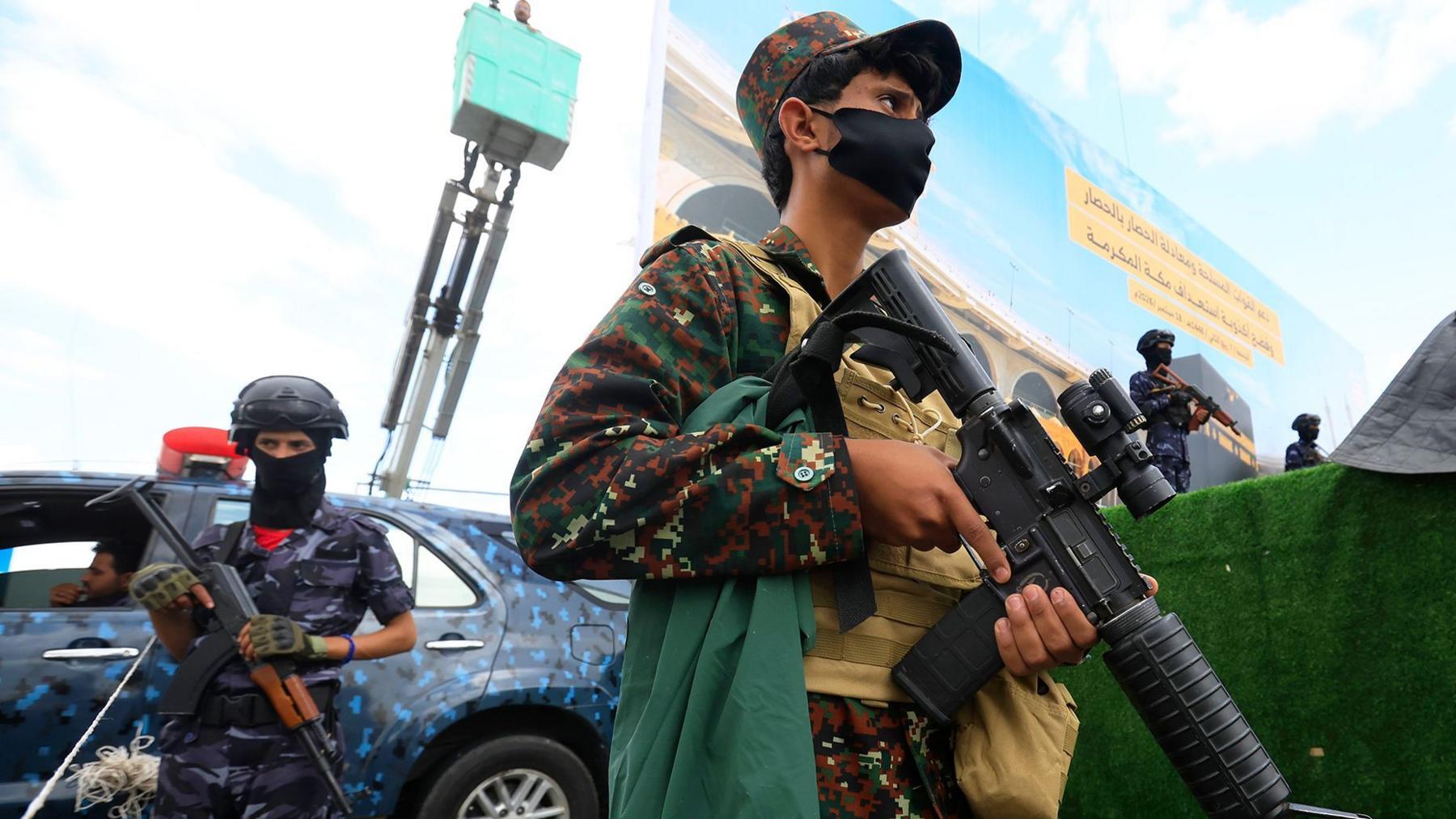
The Houthi insurgency, with Iranian backing in weapons and funding, has intensified its use of drones and artillery. They captured Mokha early September, securing the Bab al‑Mandab Strait and rattling global shipping lanes—an action that has pushed crude oil prices higher.
If Houthi forces occupy western approaches to Taiz, government troops risk losing the foothold that keeps Mokha reachable. An analyst from the Al‑Jazeera Institute warned the region could see a new offensive within weeks.

Image © Liam Weir/BBC
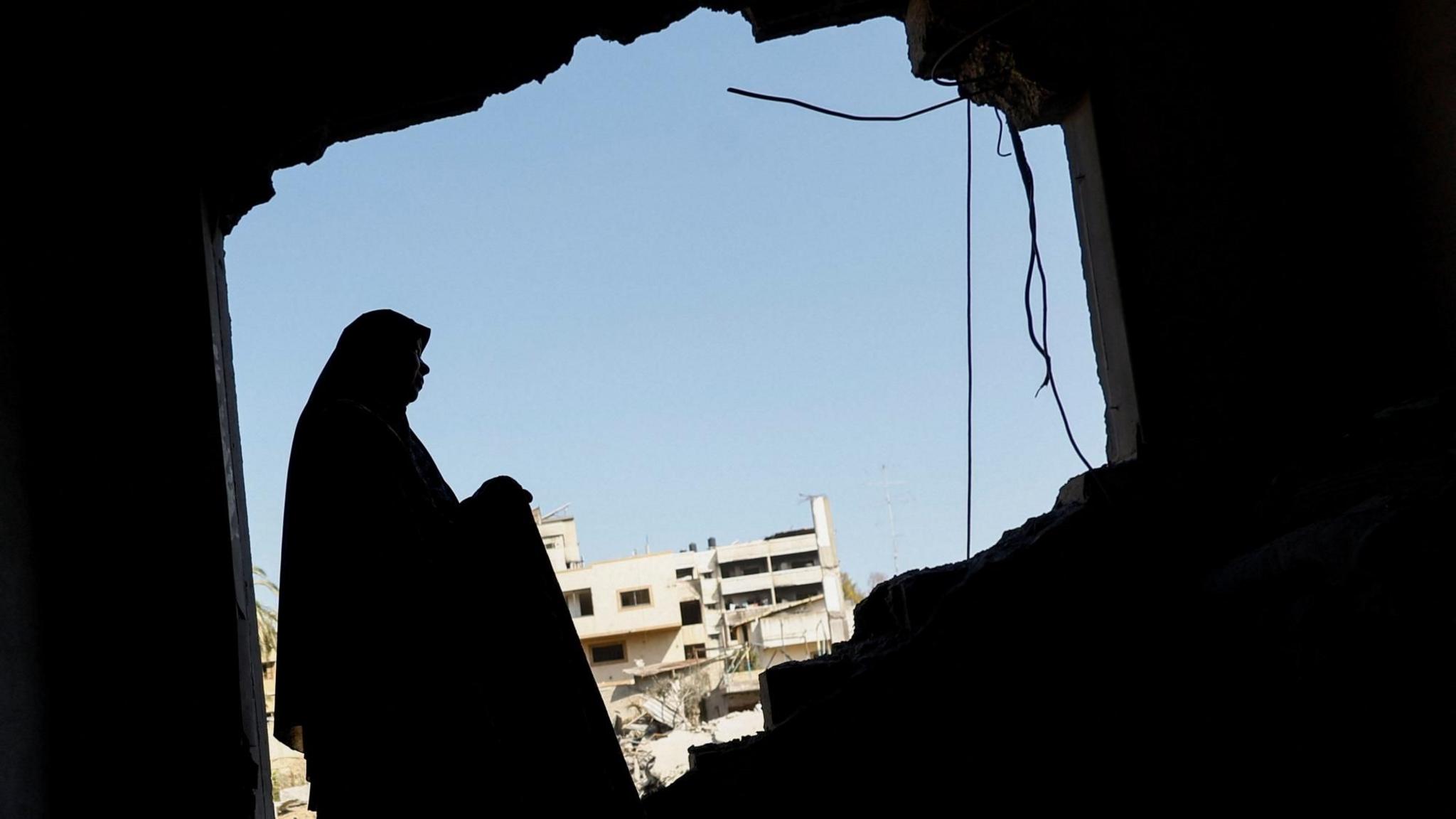
At the al‑Monig displacement camp, 200 families were reported to have arrived in the last ten days. Fatma Mohammed Saleh, a woman in a wheelchair, begged for shelter and laid on a rice sack in the dust, telling the reporter she had crawled on her knees for two days before a motorbike rider finally took her to a tent.
The UN, through its Refugee Agency, announced 130,000 displaced people this month alone, with another 100,000 expected if the current conflict escalates further. The “no‑shelter, no‑family” narrative underscores the humanitarian crisis building beneath the militaristic headlines.
The front line in Taiz remains a razor‑thin line where pro‑government forces must balance the urgency to restore control with the peril of losing their own lives. As the Houthi advance continues, civilians endure the shrapnel, the lost weight of livestock, and the creeping dread of occupation—an enduring reminder that war’s collateral trauma is a war in its own right.