In brief
In a historic announcement in Delhi, the European Union and India have finalized their long-anticipated trade agreement, described by EU leaders as the 'mother of all deals.' This landmark pact will significantly reduce tariffs on a range of goods, enhance security cooperation, and boost economic collaboration, aiming to create a strong strategic alliance between the two regions amidst growing geopolitical challenges from the US. Prime Minister Narendra Modi heralded the agreement as a pivotal moment for India's economy.
The European Union and India have announced a landmark trade deal after nearly two decades of on-off talks, aiming to deepen ties amid tensions with the US. We did it, we delivered the mother of all deals, said European Commission President Ursula von der Leyen at a media briefing in Delhi. Indian Prime Minister Narendra Modi called the pact historic.
The deal will allow free trade of goods between the 27 European states and India, representing around 25% of global GDP and a market of two billion people. It includes significant tariff cuts across various goods and services, along with a joint security partnership.
This agreement comes as a boost for India's agriculture and manufacturing sectors, providing better access to European markets for small businesses. Notably, tariffs on motor vehicles will drastically decrease from as high as 110% to 10% under a new quota, benefitting both sides. Additionally, both nations plan to ease professional mobility to foster closer workplace ties.
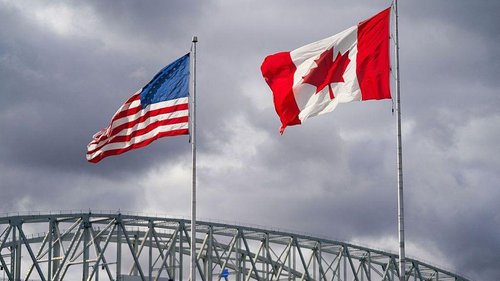
This panel also highlights the necessity of the deal within the context of increasing economic and geopolitical pressures due to US tariffs and trade policies. Following this agreement, major industries like textiles, gems, and shrimp farming in India are expected to see considerable growth, potentially alleviating some impacts from previous US trade measures.
While the EU benefits from securing enhanced trade relations, economists indicate that achieving compliance with EU's regulatory standards presents challenges for India's manufacturing sector. Still, experts see this as an opportunity for growth and development in future trade relations between India and the EU.
Formal signing of the agreement will occur later this year, pending approval from the European Parliament and member states. Both India and the EU are keenly looking forward to solidifying their partnership as a strategic counterweight in an increasingly polarized global economic landscape.