In brief
Elon Musk’s SpaceX made headlines with a record‑setting IPO that lifted the company’s valuation to $2.2 trillion, pushing Musk’s net worth to roughly $1.1 trillion. The surge has made him the world’s first trillionaire, a milestone that fuels fierce discussion about wealth concentration. Despite the dramatic rise, Musk’s holding is largely locked in for a year and space to draw profit remains uncertain. Investors, policymakers and the public alike are watching the long‑term trajectory of the launch vehicle maker and its new stock.
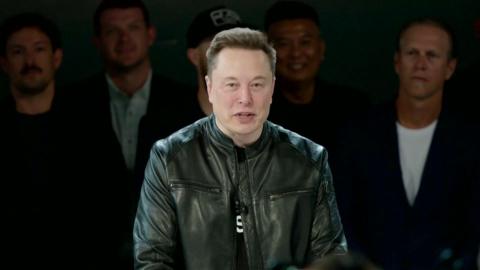
Elon Musk’s SpaceX went public this Friday and immediately made headlines by reaching a valuation of $2.2 trillion. The debut, the largest in the history of the Nasdaq market, saw shares open at $150 and briefly climb to $176.50 before closing at about $161, giving Musk a net worth of roughly $1.11 trillion.
This jump not only set a new record for a company’s market value but also propelled Musk to become the world’s first person whose wealth exceeds one trillion dollars. Bloomberg estimates his shares in SpaceX were worth $767.1 billion at market close and he also holds $53.8 billion worth of options in SpaceX, plus $168 billion in Tesla shares and $116 billion in Tesla options.
Even though the milestone is impressive, critics argue that the valuation is largely speculative and tied to future expectations rather than current earnings. SpaceX remains unprofitable, having lost more than $9 billion in 2025 and 2026 alone. The IPO raised $75 billion, which the company plans to invest in rockets, Starlink satellites, and emerging AI ventures.
Some investors welcomed the hype; chief investment strategist Susannah Streeter said the rally reflected a strong appetite for Musk’s vision. Others caution that the price volatility will affect pension funds and savings accounts that hold index‑linked ETFs, showing that the broader financial impact of the listing is still unfolding. MPs such as Bernie Sanders and Elizabeth Warren have called for a wake‑up call on extreme wealth concentration.
While Musk’s trillionaire status is current only on paper—he cannot sell SpaceX shares for at least a year—the event underscores the growing debate over the influence of a handful of tech magnates. SpaceX’s mission statement goes beyond earth‑bound innovation, aiming to build “the systems and technologies necessary to make life multiplanetary.” Future prospects, including possible spin‑offs or a merger with Tesla, remain uncertain and will be key to investors’ long‑term strategies.