In brief
Germany’s coal phase-out plan faces stiff challenge after rising gas prices make lignite cheaper and readily available. At 20% of its electricity mix, coal remains a domestic energy lifeline that competes with imported gas and the nation’s closed nuclear plants. Industry voices a call for a strategic coal reserve while environmental groups warn against a fossil lock‑in, as a parliamentary committee weighs a compromise for hard‑coal plants. The months ahead will decide whether the 2030 lignite deadline holds or whether coal stays in the energy mix for security and affordability.
Germany has been quietly shifting its power mix toward renewables, yet a wave of high gas prices is forcing a possible reset on the nation’s coal phase‑out plan.
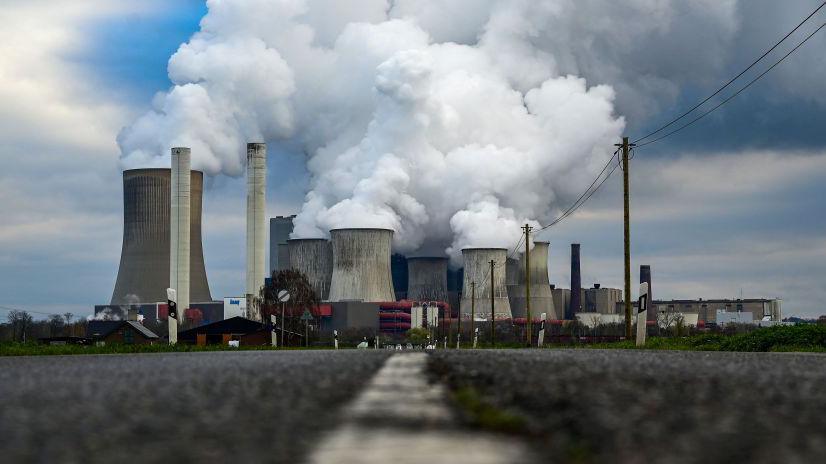
Coal still fuels 20% of German electricity and comes in two forms: domestic lignite—cheap but highly polluting—and imported hard coal. The country has the world’s third‑largest lignite reserves and is fully self‑sufficient in that fuel, which makes it a reliable and low‑cost alternative when imported gas becomes pricey.
Germany aims to ban lignite by 2030 and all coal by 2038, yet the abrupt jump in global gas prices has stirred debate – not only in Germany but also in Japan, Italy and India, where countries have delayed or relaxed their own coal shutdowns.
Industrialists say that the core of German industry must be protected: “Renewable energy alone cannot yet guarantee reliable supply,” said Wolfgang Große Entrup, head of the German Chemical Industry Association. He stresses that companies will only invest billions if energy remains affordable.
Environmentalists warn that re‑opening coal plants would lock the country into a fossil‑fuel future. Hauke Hermann of the Öko environmental research institute calls for a decisive expansion of renewables instead.
A potential compromise is on the table: six hard‑coal plants that currently serve only as backup could be granted full operation. Steag Iqony Group argues that keeping these plants online would secure affordable electricity for millions of homes.
The government, formed by the centre‑right CDU/CSU and the left‑wing SPD, faces a tough decision. While some lawmakers push for industrial security, others insist that relaxing coal rules would hinder the energy transition and create new lock‑ins.
By late August, a statutory review will catalogue the impact of the coal phase‑out on supply, security and cost. The review, originally meant to accelerate the withdrawal, may now slow it down.
The debate continues as Germany balances its ambition to reduce emissions with the need to maintain a resilient grid and keep industry competitive in a volatile energy market.