In brief
India has imposed a temporary ban on Telegram to curb cheating ahead of the NEET‑UG re‑exam. The decision follows a May 2026 exam cancellation due to a paper leak. The National Testing Agency applauded the move, but critics label it an ineffective, “band‑aid” fix. Rights groups argue the ban hurts ordinary users and fails to tackle leaks’ root causes. The ban’s enforcement and duration remain unclear.
India has temporarily blocked the popular messaging app Telegram to prevent its use in cheating ahead of the critical National Eligibility and Entrance Test – Undergraduate (NEET‑UG) retest on 21 June.
The ban comes after the Ministry of Electronics and Information Technology instructed Telegram to restrict access in India until 22 June, and to disable the message‑editing feature until 30 June, citing its role in fabricating evidence of leaked exam papers.
The National Testing Agency (NTA), which runs the exam, welcomed the move, saying the government was responding to an “organised use of the platform by cheating rackets.”
However, internet users and rights activists decry the ban as a “band‑aid” solution that punishes everyday students who rely on Telegram for study groups and doubt‑clearing, and it does not address systemic leaks within the education sector.
Telegram has not issued a statement, and it remains unclear how strict the restriction will be enforced. The ban is set to lift after the retest, but the Indian Cyber Crime Coordination Centre has already taken down dozens of channels, groups, and bots that promoted cheating for large money fees.
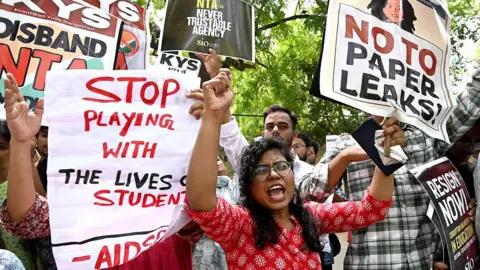
The controversy comes after the 3 May exam was cancelled over allegations of a paper leak, prompting protests in schools and medical colleges. Nearly 2.28 million candidates sat the test in 5,000+ centers, but the NTA later terminated the exam following widespread accusations of fraud and high‑score irregularities. The CBI is investigating, with several arrests made.
While the NTA says it regrets any inconvenience the ban may cause for “legitimate” users, digital‑rights groups argue it is unconstitutional and ineffective. They point out that leaks can come from insiders, printing and logistics chains, and that banning an app does little to prevent desperate students from seeking unofficial test material.
The situation highlights a broader debate in India about exam integrity, free access to information, and how quickly governments can respond to online‑based cheating schemes.