In brief
India’s government has temporarily shut down the popular messaging platform Telegram in an attempt to curb cheating ahead of the National Eligibility cum Entrance Test – Undergraduate (NEET‑UG) retest on June 21. The move comes after the exam was cancelled in May due to allegations that the test paper had leaked, causing widespread protests. While the National Testing Agency welcomed the ban, calling it a response to organised cheating, digital‑rights advocates criticize it as a superficial fix that will inconvenience millions of students using Telegram for study groups. The Ministry of Electronics and Information Technology has ordered the app to be restricted until 22 June and disabled message‑editing until 30 June, citing its use in fabricating evidence of leaks. The Indian Cyber Crime Coordination Centre has removed numerous channels, groups and bots that advertised leaked papers, but the underlying fraud remains a deeper issue. Telegram has yet to issue an official statement.
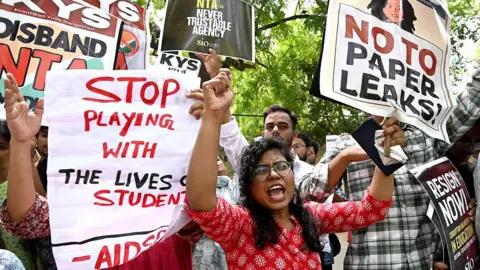
India has temporarily blocked the popular messaging platform Telegram in a bid to prevent cheating ahead of a re‑held National Eligibility cum Entrance Test – Undergraduate (NEET‑UG) scheduled for June 21. The ban follows the previous month’s cancellation of the exam after sweeping accusations that the test paper had leaked.
The National Testing Agency (NTA) welcomed the move, saying it was a response to the “organised use of the platform by cheating rackets to defraud candidates”. The Ministry of Electronics and Information Technology has ordered the app to be restricted in India until 22 June, with message‑editing disabled until 30 June, citing its role in fabricating evidence of leaks.
- Nearly 2.28 million candidates took the original NEET test on 3 May at more than 5,000 centres.
- The NTA has taken down dozens of Telegram channels, groups and bots that advertised and promised leaked papers, and has accused operators of demanding large sums for “access” to non‑existent documents.
- The Indian Cyber Crime Coordination Centre reports the removal of “a substantial number” of misleading channels after receiving intelligence from the NTA.
However, digital‑rights groups argue the ban is a “band‑aid solution” that punishes ordinary users who rely on Telegram for study groups and doubt‑clearing. The Internet Freedom Foundation wrote that the move is unconstitutional and unlikely to stop leaks that originate inside the education system or the logistics chain.
The ban could affect millions of students who use the platform for legitimate study and support, and critics say it does little to address the systemic fraud that led to the exam’s cancellation.
Telegram has yet to issue an official statement. The BBC has reached out to the company for a response.