In brief
A yearslong drought has left Corpus Christi, Texas, struggling with depleted water reserves, prompting city officials to implement aggressive water use restrictions. The city's plans for new water sources and conservation efforts aim to avert a potential crisis, but local industries, which consume a significant portion of the water supply, face tough challenges ahead. As the drought drags on, the community's resilience is put to the test amid rising costs and potential mandatory cuts.
In parched southern Texas, a yearslong drought has depleted Corpus Christi’s water reserves so gravely that the city is scrambling to prevent a shortage that could force painful cutbacks for residents and hobble the refineries and petrochemical plants in a major energy port.
Experts stated that the city didn’t expect such a severe drought, and the anticipated new sources of reliable water did not materialize as expected. Adding to the problem, the city had increased water sales to large industrial customers.
We just have not kept up with water supply and water infrastructure like we should have. And it’s decades in the making, said Peter Zanoni, the city manager since 2019.
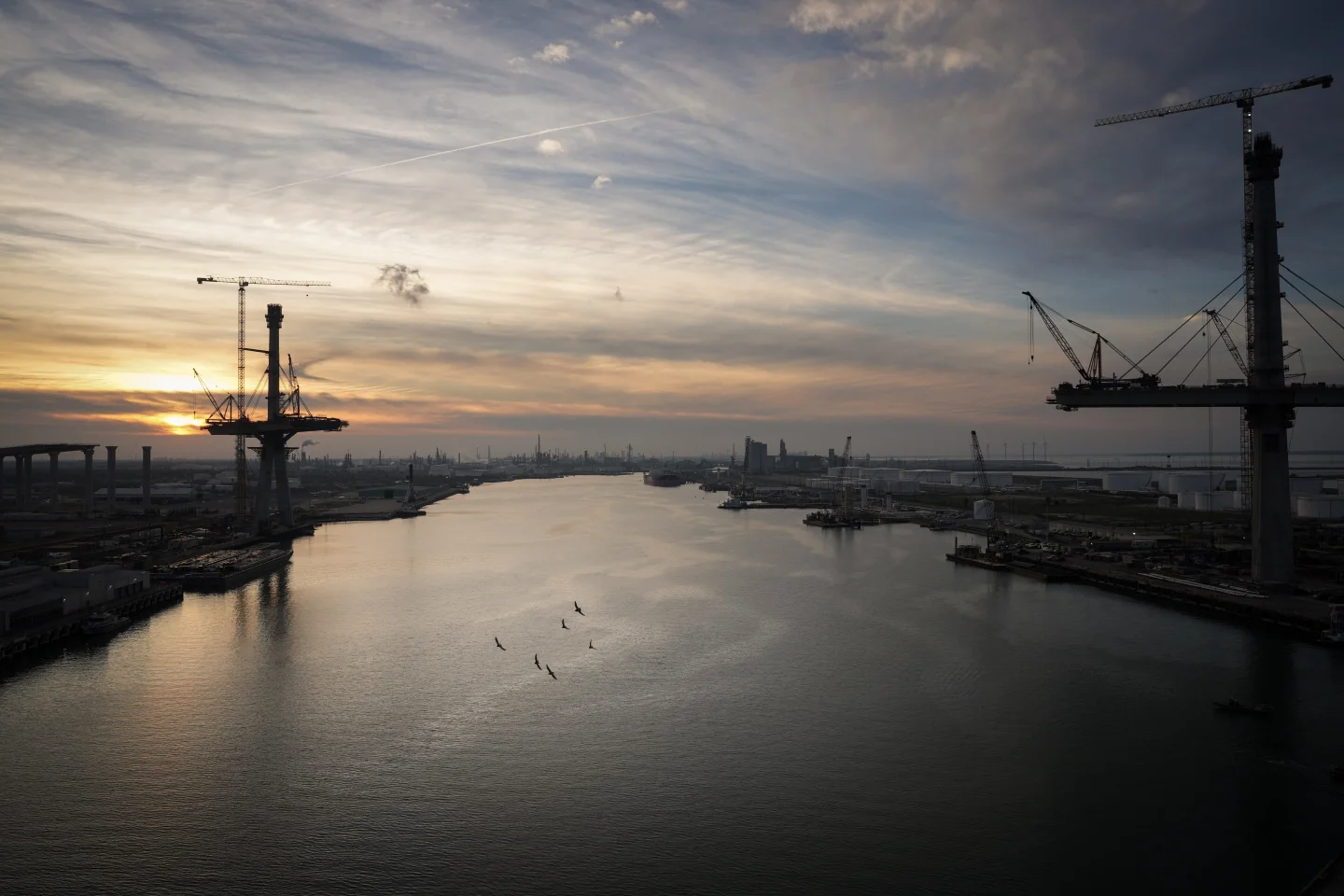
The city, home to approximately 317,000 people, is intricately linked to the oil and gas industry, supplying water to several surrounding counties. The region is responsible for producing everyday essentials such as fuel and steel, which are shipped globally.
Zanoni mentioned that it’s highly unlikely the city will entirely run out of water, but without substantial rainfall or new reliable sources, residents may face necessary cutbacks that could impact their daily lives while industries may also be forced to reduce their consumption. This comes at a time when the Iran war is already causing gas prices to rise, affecting the area that contributes 5% of the U.S. gasoline supply.
Droughts are common, but the ongoing one has persisted for most of the past seven years, with key reservoirs being at their lowest levels ever. We are actively praying for a hurricane, said former city council member David Loeb, acknowledging the dire circumstances.
As the drought shows no signs of relief, city officials are seeking additional groundwater to avoid a water emergency. However, a water emergency declaration could lead to mandatory cuts that apply to both residents and industries alike, creating a contentious situation.
The city’s current drought management plan incorporates various stages of water use restrictions, with Stage 3 currently in effect, which prohibits many outdoor uses.
The community is angered by restrictions on watering lawns, rising water bills, and potential fines. Water rights activist Isabela Azaiza stressed that industries seem to evade stringent regulations in comparison to residential users.
Surcharges imposed on large industries for excessive water use cannot guarantee conservation, which Azaiza critiqued. Nevertheless, the city asserts that industry contributes substantially to water conservation efforts.
City officials project that future investments of around $1 billion to bolster infrastructure might lead to increased water rates, a cost that may disproportionately burden residents. The introduction of the Evangeline Groundwater Project could potentially alleviate the strain on water reserves, pending state approval.
Ultimately, city leaders remain cautious but hopeful as they navigate this challenging situation, prepared to mitigate the worst effects of this protracted drought.